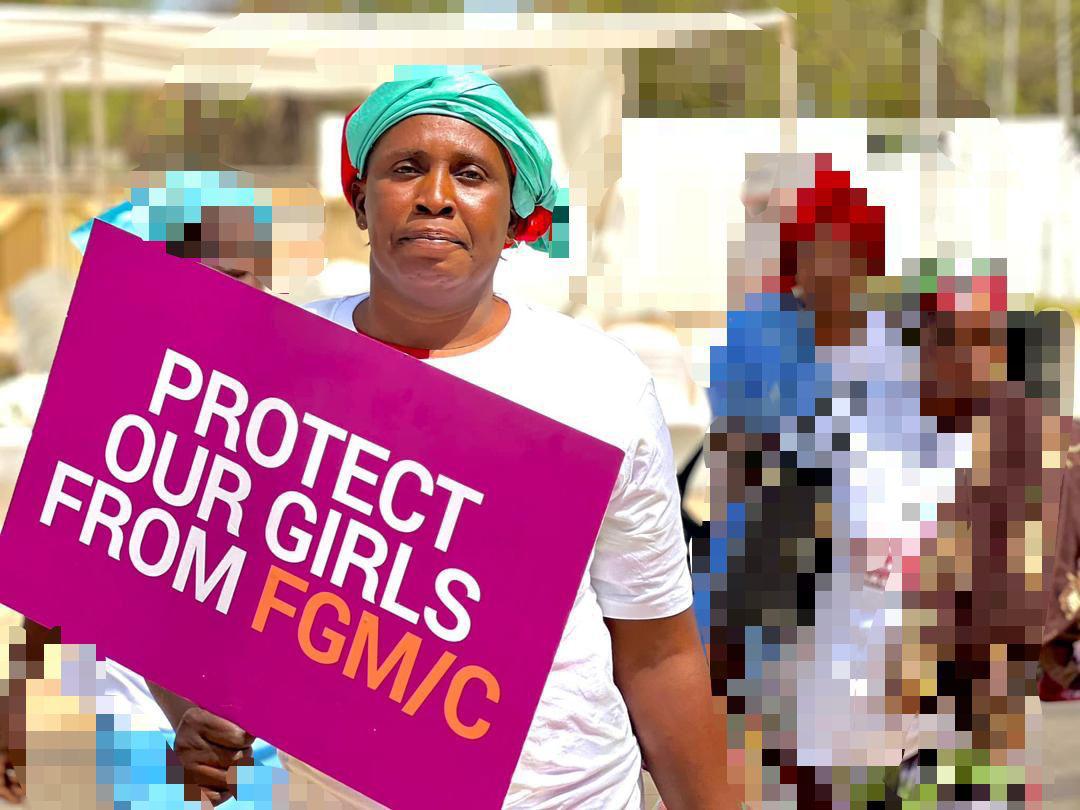
By Ebrima Mbaye
The Network Against Gender-Based Violence (NGBV) has issued a powerful condemnation following the heartbreaking death of a three-week-old baby girl from Bohoum Kunda, Wuli District, in the Upper River Region, with authorities linking the tragedy to complications from female genital mutilation (FGM). The incident has reignited calls for stronger enforcement of the country’s 2015 ban on the practice and heightened action to eradicate this harmful tradition.
According to the Gambia Police Force, the infant was initially rushed to Bajakunda Health Center after developing severe complications believed to stem from FGM. As her condition worsened, she was transferred to Basse District Hospital and later to Bansang Hospital, where medical staff were unable to save her.
A postmortem examination is scheduled at the Edward Francis Small Teaching Hospital in Banjul to confirm the cause of death. The child’s mother and grandmother are currently in custody, cooperating with investigators, police confirmed.FGM, the partial or total removal of female genitalia for non-medical reasons, was outlawed in The Gambia under the Women’s (Amendment) Act of 2015.
Despite the ban, the practice persists, particularly in rural communities where cultural traditions hold significant influence. Health experts warn that FGM can lead to severe bleeding, infections, childbirth complications, and, as this case tragically illustrates, death.
In a statement released on September 13, 2025, NGBV described the infant’s death as “a painful reminder of the life-threatening dangers associated with this harmful and illegal practice.” The organization labeled the incident a “national crisis” and a “crime against all Gambian children,” urging immediate action to address the ongoing prevalence of FGM. “This is not merely an isolated tragedy,” the statement read. “It demands a collective resolve to confront a practice often justified by tradition but shrouded in secrecy.”
NGBV called for a united effort from traditional leaders, religious authorities, health workers, law enforcement, civil society, and policymakers to protect girls from what it described as a grave human rights violation. The group demanded a “thorough, impartial investigation” and prosecution of those responsible, emphasizing that justice must be served to deter future incidents.
“This tragedy must not be in vain,” NGBV stated. “It must galvanize renewed commitment to end FGM in The Gambia—once and for all.”The organization reaffirmed its “zero tolerance” stance on FGM and urged stricter enforcement of the 2015 law.
While The Gambia joined several African nations in banning FGM nearly a decade ago, rights groups note that enforcement remains inconsistent, with cases often unreported in rural areas. NGBV expressed solidarity with survivors and affected families, vowing to continue advocating for an end to the practice.
As the nation mourns this loss, the incident underscores the urgent need for education, community engagement, and robust legal action to eliminate FGM. The Gambia’s progress toward eradicating this practice hangs in the balance, with activists like NGBV leading the charge for change.