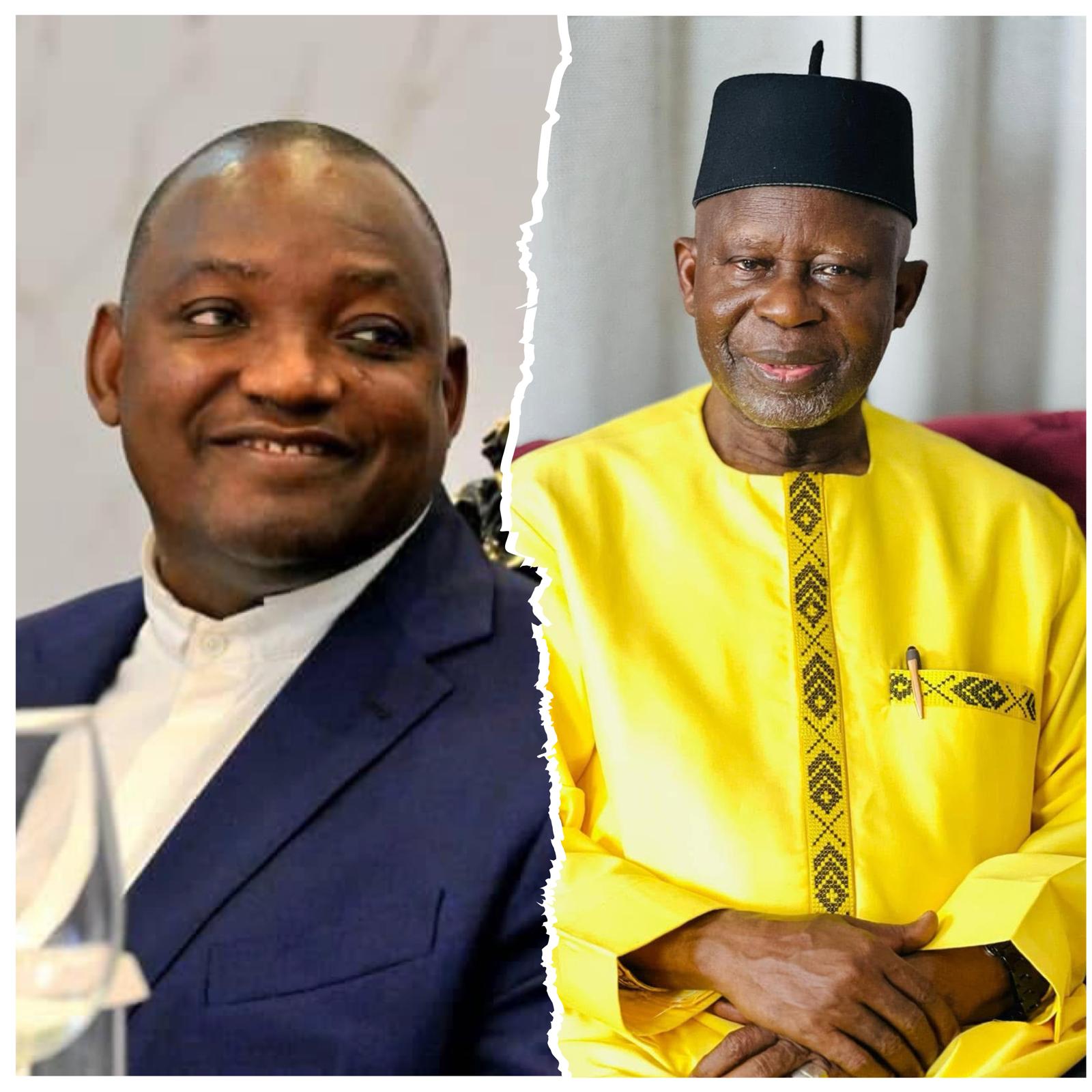
In the quiet wards of Kaiaf and Bantanjang, The Gambia’s political landscape has once again demonstrated its capacity for both continuity and subtle shifts. The National People’s Party (NPP), under President Adama Barrow, secured decisive victories in the January 10, 2026, by-elections, claiming seats that underscore the party’s enduring appeal in key rural constituencies. Omar Touray of the NPP triumphed in Kaiaf Ward, defeating United Democratic Party (UDP) challenger Sulayman Sanneh, while Abdoulie Badjie clinched Bantanjang Ward amid strong showings in polling stations like Bondali.
These wins, though local in scope, arrive at a pivotal moment as the nation gears up for the December 2026 presidential election, where Barrow seeks a third term.
The results are not mere footnotes in Gambian politics. Kaiaf, nestled in the Kiang region, and Bantanjang in the historically contested Foni area, represent microcosms of the broader electorate—rural voters who prioritize development projects, infrastructure improvements, and party loyalty over ideological overhauls. The NPP’s success here builds on its narrative of stability and progress, echoing Barrow’s 2021 victory, where he garnered over 457,000 votes against the UDP’s 238,000.
By retaining or capturing these wards, the ruling party signals its organizational prowess and ability to mobilize supporters, even in areas once influenced by former President Yahya Jammeh’s APRC, now in alliance with the NPP.
Yet, what do these outcomes portend for December? Optimists in the NPP camp will view them as a momentum-builder, reinforcing Barrow’s incumbency advantage. Political analysts have long noted that a divided opposition could pave the way for another comfortable NPP win.
With the UDP fielding veteran leader Ousainou Darboe and murmurs of emerging “third forces” like potential independent challengers or new coalitions, fragmentation remains a Achilles’ heel for anti-Barrow forces.
If these by-elections are any indication, voters in underserved regions may continue to reward the NPP’s tangible deliverables—roads, schools, and agricultural support—over promises of systemic change.
That said, caution is warranted. By-elections are notoriously low-turnout affairs, often swayed by hyper-local issues rather than national tides. The NPP’s victories, while impressive, do not guarantee a presidential landslide; they merely highlight the party’s resilience in its strongholds. Moreover, with economic pressures like inflation and youth unemployment persisting, the opposition has fertile ground to exploit if it can unify. Professor Lamin Keita’s prediction of an NPP victory hinges on sustained governance improvements, not complacency.
As The Gambia approaches this crossroads, these by-election results serve as a reminder: politics here is as much about patronage and regional ties as it is about grand visions. For Barrow, they offer a vote of confidence; for the opposition, a call to action. Come December, the actual test will be whether the NPP can translate local wins into a national mandate—or if a resurgent, cohesive challenge upends the status quo. The Alkamba Times News urges all parties to focus on policy over partisanship, ensuring that the will of the people, not just the winners, shapes our future.