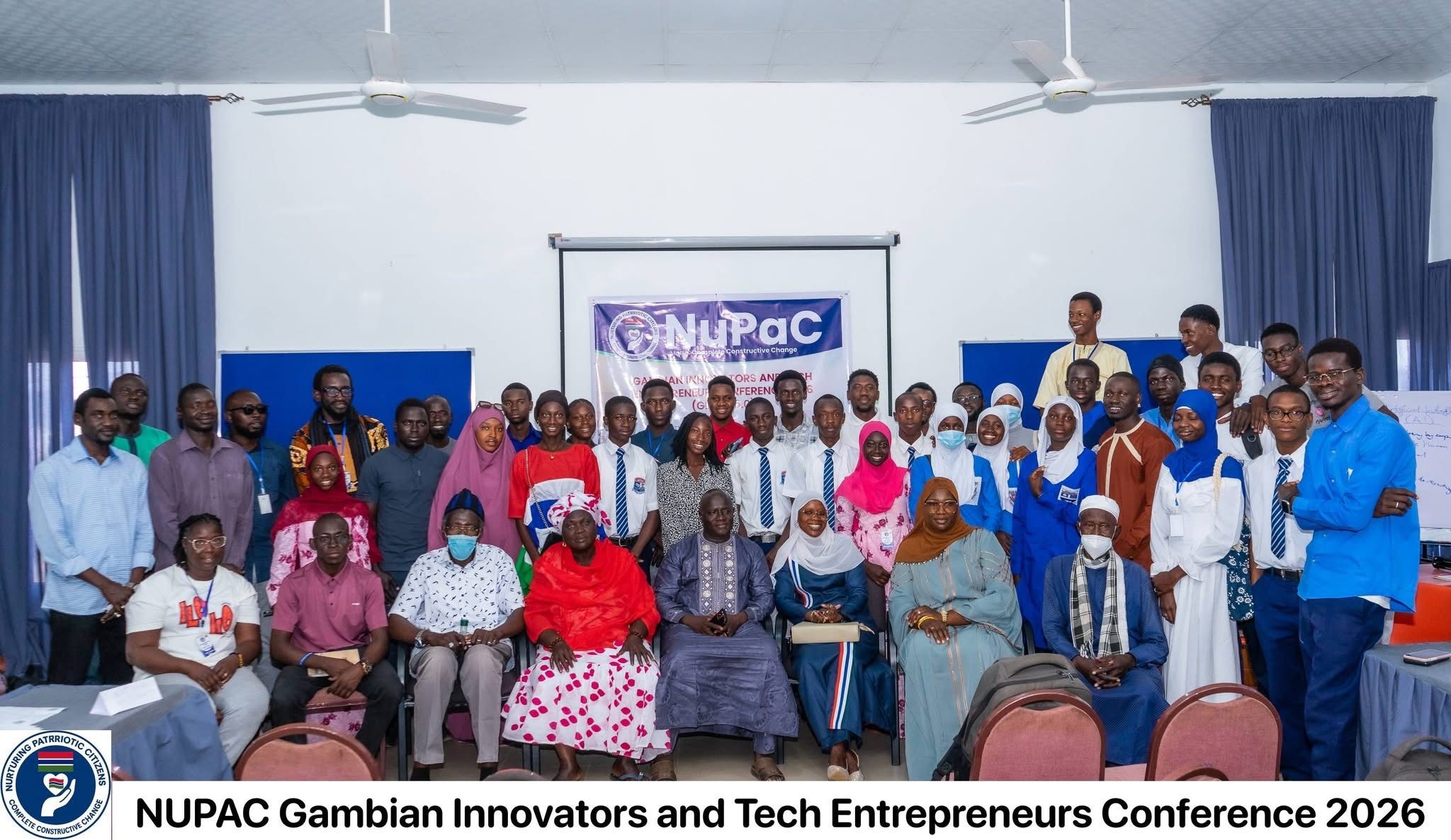
As the nation reflected on 61 years of independence this week, a gathering at the NANA Conference Hall shifted focus from festive commemorations to a urgent call for self-reliance in the digital age. The Nurturing Patriotic Citizens (NuPaC) movement hosted the Gambian Innovators and Tech Entrepreneurs Conference (GITEC), framing true national sovereignty as inseparable from control over data, technology, and economic systems.
The event brought together software developers, policy experts, students, civil society leaders, and prominent Gambian figures for what organizers described as a “sober audit” of the country’s digital and moral infrastructure. Rather than celebration, discussions centered on the “business of nation-building” and the risks of remaining a passive consumer in the global digital economy.
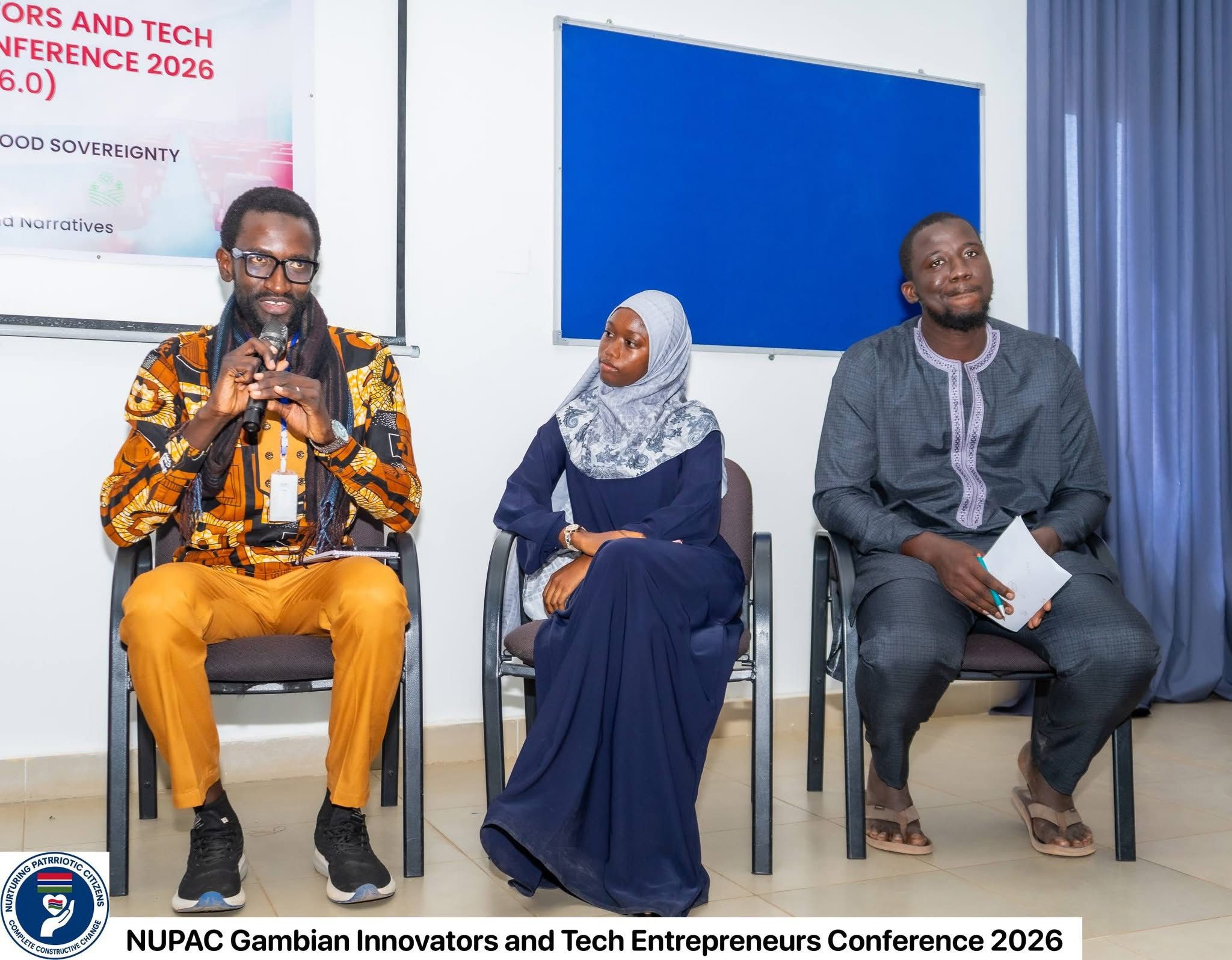
A central concern raised was the ongoing outsourcing of major government software and IT contracts to foreign companies, despite local talent’s proven capacity to deliver comparable solutions. Participants argued this practice drains public funds, undermines the growth of Gambia’s emerging tech sector, and perpetuates economic leakage. Many local tech entrepreneurs currently rely on self-funding, limiting their ability to scale operations and contribute meaningfully to GDP. Without policies mandating local content requirements and data sovereignty, NuPaC warned, The Gambia risks permanent dependency.
Hon. Ahmadou Kah, leader of the Tabax Rewmi movement and chief guest of honour, stressed the need for legislative backing to harness innovation effectively. “Innovation requires more than talent—it demands a legislative anchor,” he said, positioning technology as a matter of national security and economic survival. He urged policymakers to prioritize frameworks that direct innovation toward national priorities.
Baboucarr Jeng, leader of the Gambia First movement, offered a moral lens, linking the country’s challenges to a deeper mindset issue. He contended that anti-corruption efforts fall short without a genuine commitment to integrity as the core of patriotism. “The roots of our challenges lie in our collective mindset,” Jeng noted, advocating a “Gambia First” ethos where national interest guides all decisions.
Veteran activist Madi Jobarteh reinforced the role of civic engagement, reminding attendees of their responsibility as stakeholders to demand transparency and accountability from leaders.
The conference concluded with NuPaC issuing a clear roadmap: the adoption of a comprehensive National Digital Strategy that emphasizes local procurement, safeguards Gambian data within national borders, and fosters homegrown innovation. The movement positioned this push as essential to bridging technical capability with patriotic duty.
As the gathering dispersed from the Kanifing venue, NuPaC’s message lingered: true independence demands digital control. With its motto of “Complete Constructive Change” and clarion call to “Make Gambia Great,” the group signaled that the work for a self-reliant, tech-driven future is only beginning.