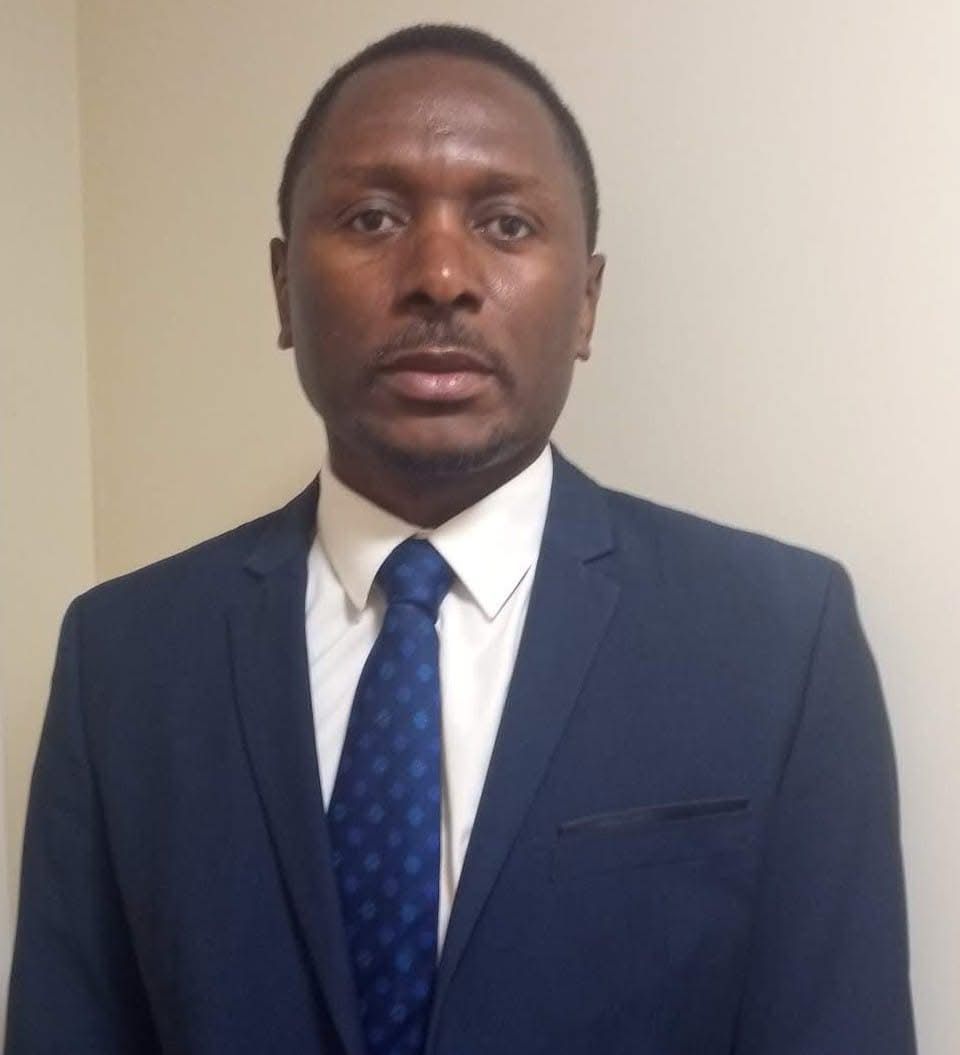
By Dave Manneh, Securing Futures: Land Rights Action Collaborative (SFLRAC)
Thank you for publishing the article that honours Mustapha ‘TAF’ Njie as a “visionary Founder and CEO” among the 100 Most Reputable Africans 2026. Your piece celebrates his “integrity, credibility, and impactful contributions” and describes his “decades-long commitment to ethical real estate development.” It states that he “spearheaded urban transformation,” “delivered affordable, quality housing,” and champions “youth empowerment via platforms like TAFHub.” You quote him calling the award a “great start to 2026” and describe him as a “steward of trust who leads with purpose, humility, and conscience.”
For the clans of Brufut and Yundum, however, 2026 must begin not with celebration but with accountability.
The article claims Njie built “not just structures, but sustainable communities.” Yet his earliest and most consequential projects in The Gambia advanced not through community consent but through state coercion.
In July 2002, Brufut villagers clashed with paramilitary forces sent to demolish structures they had built on their ancestral land. The Jammeh dictatorship had already transferred this land to TAF Housing without consultation. This confrontation remains documented at https://allafrica.com/stories/200207230473.html.
Njie did not purchase this land. In Brufut, he offered D250,000 for approximately 37 hectares; he made the same offer for 10 hectares in Yarambamba, Yundum, claiming the Jammeh regime instructed him to pay that amount. The landowning clans rejected the offers, not because of the price alone, but because they never consented to part with their lands. Nevertheless, by March 2003, TAF deployed bulldozers to destroy structures belonging to the Manneh clan. As archived at https://allafrica.com/stories/200303210026.html, caterpillars levelled family homes to clear ground for what became Brufut Gardens and The AU Villas. No court authorised this action. No community approved it. The State Lands Act supplied the legal fiction; paramilitary units supplied the enforcement. When the Brufut Manneh clan challenged the seizure in High Court Civil Suit 44/03, judicial despotism ensured the outcome from the start.
Your article highlights Njie’s “journey from humble beginnings” and his vision for “one million affordable homes.” But the capital that launched TAF Africa Global came from land seized under a regime that systematically dispossessed traditional owners. Njie used this land as collateral to secure financing from ShelterAfrique, as confirmed by ShelterAfrique’s public project archive. This financing would not have been possible without the state’s illegal transfer of communal assets. This is the bedrock of his estate empire.
Moreover, the claim that TAF delivers “affordable housing” does not withstand scrutiny. In 2025, the average formal-sector worker earns 2,000 to 5,000 GMD per month (roughly $28 to $70 USD). Even in urban and peri-urban areas like “Greater Banjul” and the Kombos, a living wage is estimated at 4,000 to 5,000 GMD monthly. Yet TAF markets homes starting at $40,000, with standard units priced between $90,000 and $145,000. Mortgage repayments begin at nearly $600 per month, a sum that exceeds the annual income of most citizens.
These are not homes for Gambian families. They are luxury assets marketed to elites, Gambians-abroad, and expatriates. To therefore label TAF’s offerings “affordable” distorts economic reality and erases the lived conditions of ordinary citizens.
This record directly contradicts the claim of “ethical real estate development.” Integrity cannot rest on land taken by force. True leadership demands more than speeches on “conscience.” It demands amends with those you displaced.
We do not deny Njie’s business success. But in post-Jammeh The Gambia, reputation must align with justice. The National Land Policy (2026–2035) affirms that land is identity, not a commodity for elite accumulation. It centres Free, Prior, and Informed Consent as non-negotiable.
If Mustapha Njie seeks genuine respect, he must engage with the communities whose inheritance built his empire, acknowledge the documented harm, and commit to a process of restitution on terms they determine. He must not fall back on cultivating a mythical persona by embroidering his biography through curated narratives and perpetuating fallacies. Restitution is not charity. It is the minimum requirement for justice.
Until then, awards like this do not honour Africa’s progress. They bury its truth and imperil its future.
Dave Manneh is Founder and Research Lead of Securing Futures: Land Rights Action Collaborative (SFLRAC). He is also a member of the Brufut Manneh Kabilo.