As families across The Gambia gather in quiet mourning this Christmas, a devastating shadow hangs over the nation.
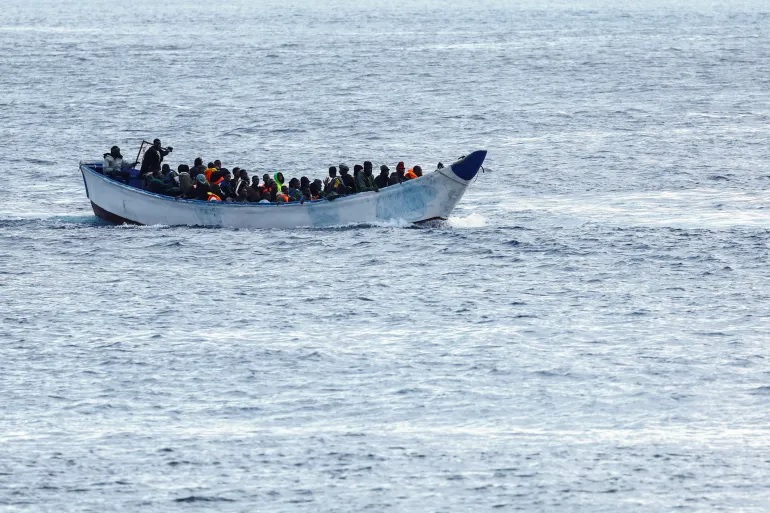
A migrant boat that departed from the remote coastal village of Nuimi Jinack on November 17, 2025, carrying more than 190 people—including 45 women and children, many of them Gambian nationals—has vanished at sea. Confirmed reports from opposition sources and activists indicate the vessel has sunk, with no survivors reported after weeks of silence. Over 190 souls are presumed dead, marking one of the deadliest tragedies on the perilous “backway” route in recent memory.
The United Democratic Party (UDP) broke the heartbreaking news on December 24, expressing profound sorrow over the “confirmed reports” of the sinking. The party extended condolences to senior executive member Lamin Manneh and devoted supporter Pa Manneh of Jinack, both of whom lost several close family members. “We mourn with you and stand in solidarity during this time of unimaginable grief,” the statement read, offering prayers for the departed and strength for the bereaved communities in Jinack and beyond.
This catastrophe is part of a surging crisis. Activist Ebrima Drammeh of Migrant Situation Movement has warned that The Gambia’s coast has become a “graveyard,” with thousands departing in recent months amid weakened surveillance. He highlighted the November 17 boat from Jinack as still missing as of mid-December, alongside dozens of other deaths, including women and children. Reports of another vessel leaving Nuimi Jinack on December 5 add to the anguish. Opposition figures and civil society leaders have criticized the government’s silence, with Yankuba Darboe calling it “disheartening” and youth leader Dawada Cham demanding a state of emergency and coastal deployments.
GALA spokesperson Omar Saibo Camara stood in solidarity with the families, noting that poverty, hunger, and lack of opportunities drive these desperate voyages. “We have lost 190 young people, women, and children among them,” he said, urging youth to exercise restraint. The UNITE Movement for Change echoed this, calling the loss a reminder of the hopelessness that is pushing young Gambians to sea. Politician and social Commentator Alagie Mamadi Kurang blamed “generational despair” on bad governance, unemployment, and corruption.
The “backway”—Gambia’s term for irregular migration to Europe via the Atlantic—has long been a route of last resort for the nation’s youth. Facing youth unemployment rates exceeding 40%, limited opportunities, and economic stagnation, thousands risk everything for the promise of jobs in Spain’s Canary Islands. The journey begins at hidden coastal spots like Nuimi Jinack, Barra, or Kartong, where smugglers load unseaworthy wooden pirogues—often fishing boats—carrying far more passengers than they can safely hold. Fees can reach tens of thousands of dalasi, profiting traffickers who exploit desperation.
Once underway, migrants face over 1,000 kilometers of open ocean: violent storms, engine breakdowns, dehydration, and overcrowding, leading to capsizing. As patrols intensified in Senegal and Morocco, smuggling shifted south to The Gambia’s lightly guarded shores, turning it into a central hub. Increasingly, entire families join, including women and children vulnerable to exploitation. Survivors’ tales from past incidents describe horrors: passengers dying of thirst, bodies overboard, and boats disappearing without a trace.
This year’s exodus has been unprecedented. Advocates report nearly 2,000 Gambians departing in November alone, part of a broader West African surge to the Canaries. While some boats reach Spain or are intercepted, many vanish. The Atlantic route remains one of the world’s deadliest, with thousands lost annually. Root causes persist: joblessness, corruption, and a sense that home offers no future.
Calls for action grow louder. The UDP demands a state of emergency, awareness campaigns in coastal areas, crackdowns on traffickers, job creation, and regional cooperation. Warnings stress current dangerous seas: “No journey is worth a life.” Yet, as long as despair outweighs hope, boats will launch under darkness.
In Jinack and villages nationwide, families clutch fading hopes, staring at the horizon. Mothers grieve promised remittances that will never come; communities bury empty dreams. This is a national mourning, a cry for change before the ocean claims more.
Meanwhile, the Government of the Gambia has not yet declared the devastating loss a national emergency, nor has it issued a statement announcing the tragedy.