By Sainabou Sambou
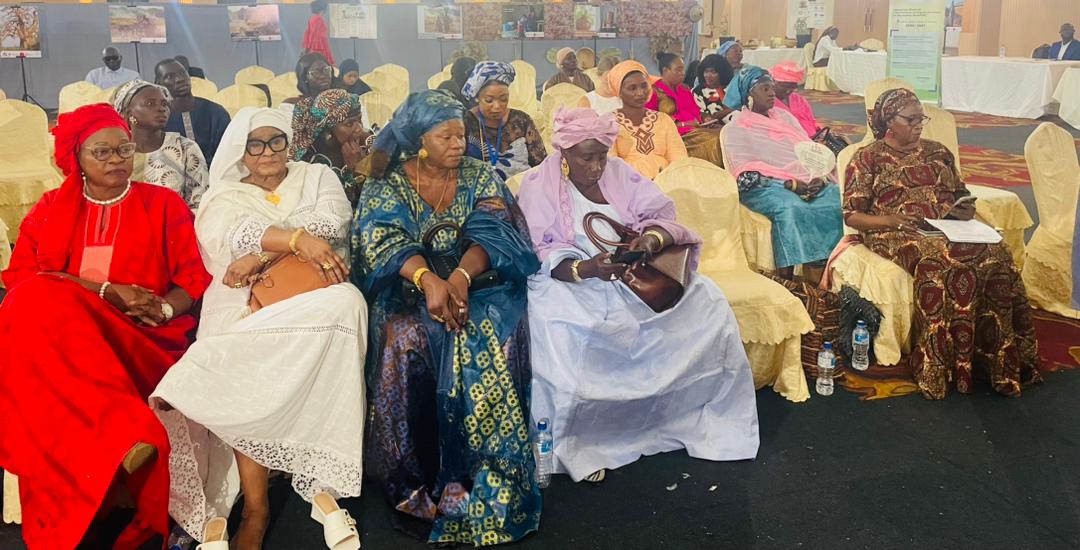
The PF Initiative, formerly known as Paradise Foundation, officially launched its new community campaign, the Baobab Initiative, under the theme “Women Leading Health and Climate Action.” The event, held at Penchami Hall, brought together experts, advocates, and community leaders to spotlight the interconnected crises of climate change, women’s health, and mental wellbeing in The Gambia.
The Baobab Initiative draws inspiration from the resilient baobab tree, symbolizing strength and longevity amid harsh conditions, as it seeks to empower women—who often bear the heaviest burdens of environmental degradation—to lead solutions in health and climate resilience.
Dorothy Watters, a PhD student with the Planetary Health Group at the Medical Research Council (MRC), delivered a compelling presentation on the escalating dangers of extreme heat during pregnancy. She cited global data showing heat stress as the leading cause of weather-related deaths worldwide, with exposure intensifying due to climate change. In West Africa, including The Gambia, warming occurs faster than in many regions, disproportionately affecting vulnerable groups.
Watters explained vulnerability through three lenses: heat exposure levels, biological sensitivity (such as impaired temperature regulation during pregnancy), and adaptive capacity to modify behaviors. Pregnant women in The Gambia face compounded risks, as many continue agricultural and subsistence farming work throughout pregnancy, heightening exposure.
Research links prenatal heat exposure to maternal risks like hypertension, gestational diabetes, and mental health issues, alongside fetal and neonatal outcomes including preterm birth, low birth weight, stillbirth, and congenital anomalies. Watters referenced prior MRC studies in West Kiang led by Dr. Anna Bonnell, which documented physiological strain on mothers and fetuses from frequent extreme heat. She highlighted the ongoing Gambia Heat in Pregnancy Study (GAPS), which tracks 764 pregnant women across regions using tools such as environmental monitors and wearables, and provides clinical follow-ups to guide protective adaptations in a warming world.
Silvia Lorenzi, Director of Peace of Mind—a Brufut-based mental health organization—framed climate change as a profound mental health crisis. She described how stressors like erratic rainfall, crop failures, floods, food insecurity, and heat waves trigger chronic anxiety, trauma, sleep disturbances, irritability, exhaustion, and aggression. These effects, often invisible, hit women, children, farmers, fishers, and those with pre-existing conditions hardest.
Lorenzi noted that prolonged exposure fosters fear, insecurity, and grief, eroding mental health if unaddressed. Heat waves exacerbate existing conditions and disrupt sleep, impairing emotional regulation. She stressed these as normal responses to abnormal stressors. She urged integrating mental health into climate strategies—through psychological first aid, safe spaces for women and children, and community coping mechanisms—to foster resilience.
Isatou Dea Sawaneh, a farmer and women’s rights advocate with Ask Baajan (a PF Initiative affiliate), offered a grassroots perspective. She detailed how rising temperatures, shifting rains, and resource strain disrupt daily life, with women shouldering food production, cooking, and caregiving while facing intense heat. Soaring charcoal and firewood costs add economic and environmental pressure.
Sawaneh advocated for investments in alternative fuels, renewables, and sustainable agriculture to ease burdens and support livelihoods. She connected climate stress to household tensions, financial strain, and food insecurity, calling for psychosocial support and open dialogue to address women’s multiple roles.
Salan Gibbs, Programme Manager at the African Centre for Democracy and Human Rights Studies (ACDHRS), speaking on behalf of the Executive Director, positioned climate change as an environmental justice issue. She highlighted how women in low-income settings endure disproportionate harm from unpaid care work, agricultural labor, and limited access to energy, health services, and infrastructure—barriers that hinder adaptation.
Gibbs emphasized women’s pivotal roles in nutrition, health, education, and resource management, underscoring the need for their leadership to deliver effective, culturally attuned solutions. She urged backing women-led organizations and community-driven partnerships for sustainable impact.
The launch underscored a unified call to center women in responses to intertwined health, climate, and mental well-being challenges. As The Gambia confronts accelerating climate pressures, initiatives like the Baobab campaign aim to build resilience from the ground up.