By Alieu Ceesay
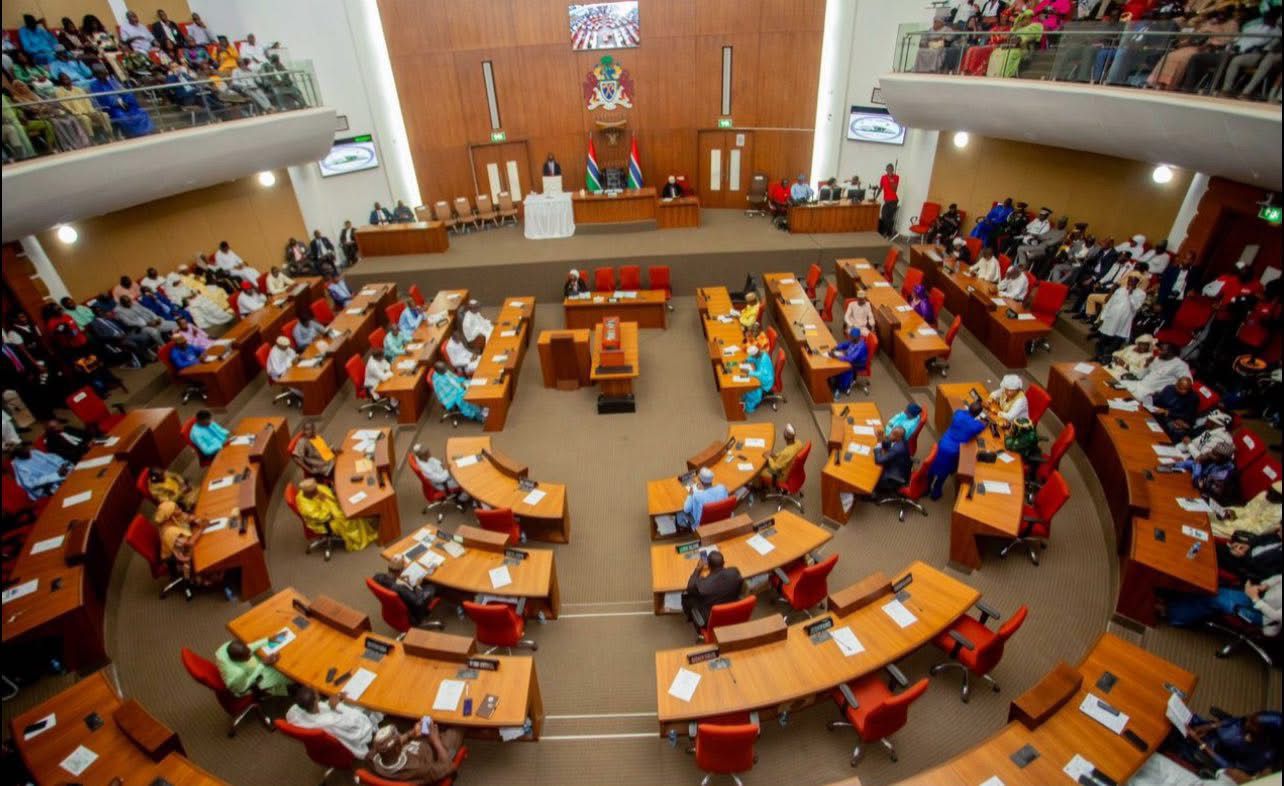
A tense and deeply divided National Assembly session erupted into a heated debate as lawmakers grappled with the controversial recommendations of a Special Select Committee report examining the sale and disposal of assets linked to former President Yahya Jammeh. At the heart of the dispute lie accusations of unfair treatment, potential constitutional breaches, and questions over evidence and accountability.
The controversy centered on specific recommendations appearing on pages 156 and 190 of the committee’s report, which opposition figures and some members argued violate fairness principles enshrined in the 1997 Constitution. Rising to propose a motion, the lawmaker representing Lower Saloum passionately contended that the sections in question contravene Section 63(3)(1) of the Constitution by holding two individuals liable for similar conduct while recommending markedly different consequences.
“You cannot find two individuals liable for the same conduct and treat them differently,” the Lower Saloum representative declared, emphasizing that such unequal treatment strikes at the core of justice. He argued that the actions under scrutiny stemmed not from isolated personal decisions but from collective processes undertaken by the Ministerial Task Force. “The act we are criticising is the collective decisions of the Ministerial Task Force. Thus, we cannot solely blame these two individuals for the decisions made by the entire Committee,” he stated.
The lawmaker also challenged the evidentiary foundation for calls to launch fresh investigations into alleged economic crimes, warning that duplicating probes already handled by police would squander state resources. “There was no other evidence that telling the facts, so conducting other investigations, should be a waste of time and resources for the State. Moreover, the police were already involved in the investigations,” he added.
Defenders of the report, including members of the Special Select Committee, pushed back firmly, insisting that their findings rested on concrete evidence and recognized varying degrees of culpability. Nominated Member Kebba Lang Fofana, a committee member, urged colleagues to set aside emotions and focus on facts. “Let us take emotions out of this and be guided by facts,” he responded, cautioning against any misrepresentation of the document’s conclusions.
The committee maintained that the two officials’ roles and levels of involvement differed significantly. “Their level of involvement can never be the same,” a committee representative explained, pointing to what they described as “systematic and deliberate action taken by the former minister in refusing to do things transparently.”
The exchanges also highlighted broader procedural anxieties within the Assembly. Several lawmakers expressed concern about the absence of sufficient corroborating evidence in portions of the report and the lack of an established oversight mechanism to track the implementation of its recommendations. One member voiced frustration: “We are in a dilemma… we want a committee to be tasked to conduct that oversight, but the recommended assurance committee is not in place.”
Calls from some quarters to postpone deliberations and conduct further scrutiny failed to halt the discussion, underscoring profound divisions over how best to balance accountability, due process, and equitable treatment in addressing past governance lapses tied to the handling of Jammeh-era assets.
The motion seeking to amend or delete the disputed sections remains under active consideration. As deliberations continue, the National Assembly confronts critical questions about institutional integrity, the rule of law, and its role in ensuring justice without favoritism or overreach.
The outcome of this debate could set important precedents for future committee reports and the Assembly’s approach to high-stakes inquiries into public asset management and official conduct.