By Fatou Dahaba
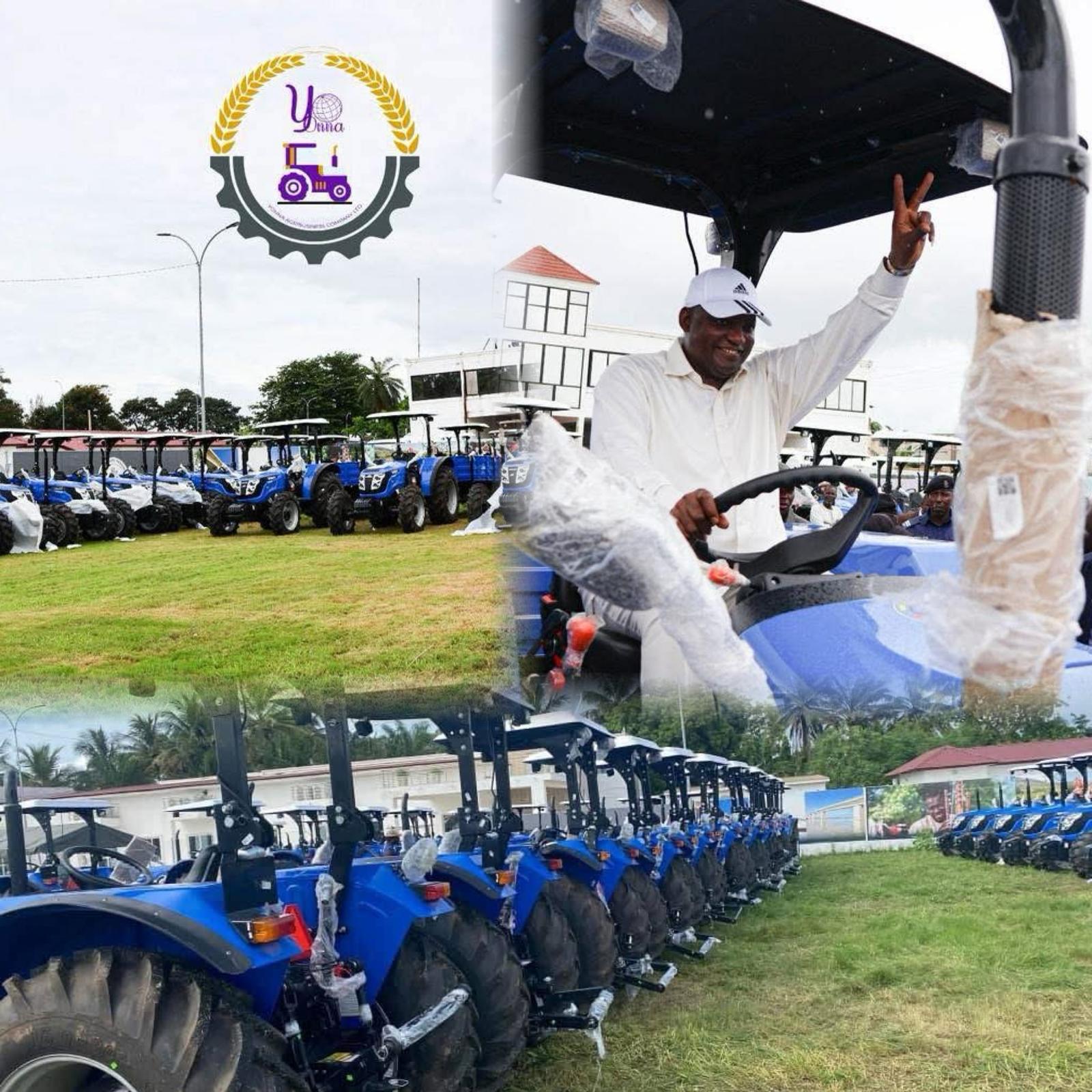
President Adama Barrow on Saturday handed over a fleet of modern agricultural equipment, including 60 tractors, 75-horsepower engines, 18 disc harrows, 10 tipping trailers, rotary tillers, seed drills, and planters, to selected farmers in a ceremony at State House in Banjul. The initiative, a collaboration with Yonna Agribusiness, aims to bolster agricultural mechanization in The Gambia, marking a significant step toward achieving food self-sufficiency and transforming the sector into a modern, business-oriented industry.
The equipment, part of a larger consignment of 180 tractors yet to arrive, is being provided at subsidized rates. The government is covering 25% of the total cost, with beneficiary farmers contributing another 25% to receive a tractor and its implements. The remaining 50% is to be paid over four years, with the government acting as the sole guarantor, ensuring accessibility for farmers while fostering accountability.
Speaking at the ceremony, President Barrow described the distribution as a “significant milestone” in the government’s efforts to modernize agriculture. “Mechanization is imperative if we are to feed our growing population, create jobs for our youth, and reduce our import bill,” he said, emphasizing the initiative’s role in building a responsive, transparent, and sustainable agricultural sector. Barrow underscored the government’s “irreversible resolve” to transform agriculture into an efficient, business-oriented industry, aligning with national development goals.
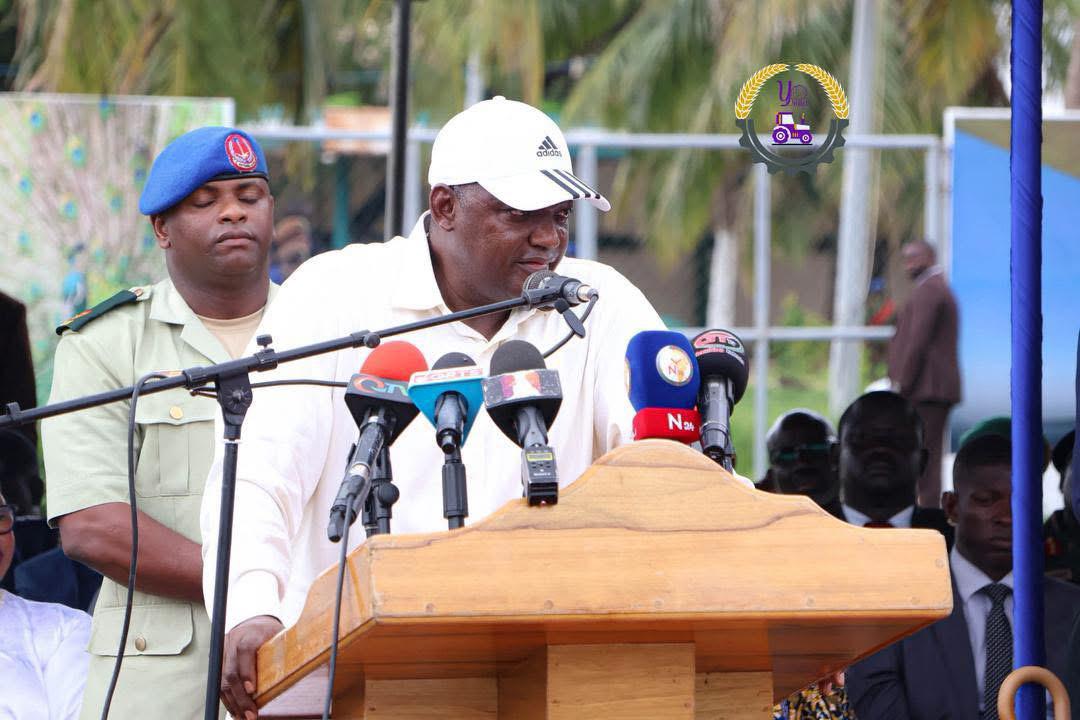
To safeguard the investment, the Ministry of Agriculture, Livestock, and Food Security will sign contractual agreements with farmers, outlining management, repayment, and oversight processes. The Ministry’s Agricultural Engineering Service will also develop a maintenance and repair plan to ensure the longevity of the equipment. Barrow issued a stern warning against mismanagement, stating that any violation of the agreements could lead to the withdrawal of equipment or other appropriate measures. He urged the Ministry to monitor and support beneficiaries to ensure the machinery is used effectively to transform their livelihoods.
Muhammed Manjang, Board Chairman of Yonna Group, highlighted the initiative’s potential to address rural poverty, a key driver of youth migration. “When agriculture becomes productive and prosperous, it creates ripple effects that transform entire communities,” he said.
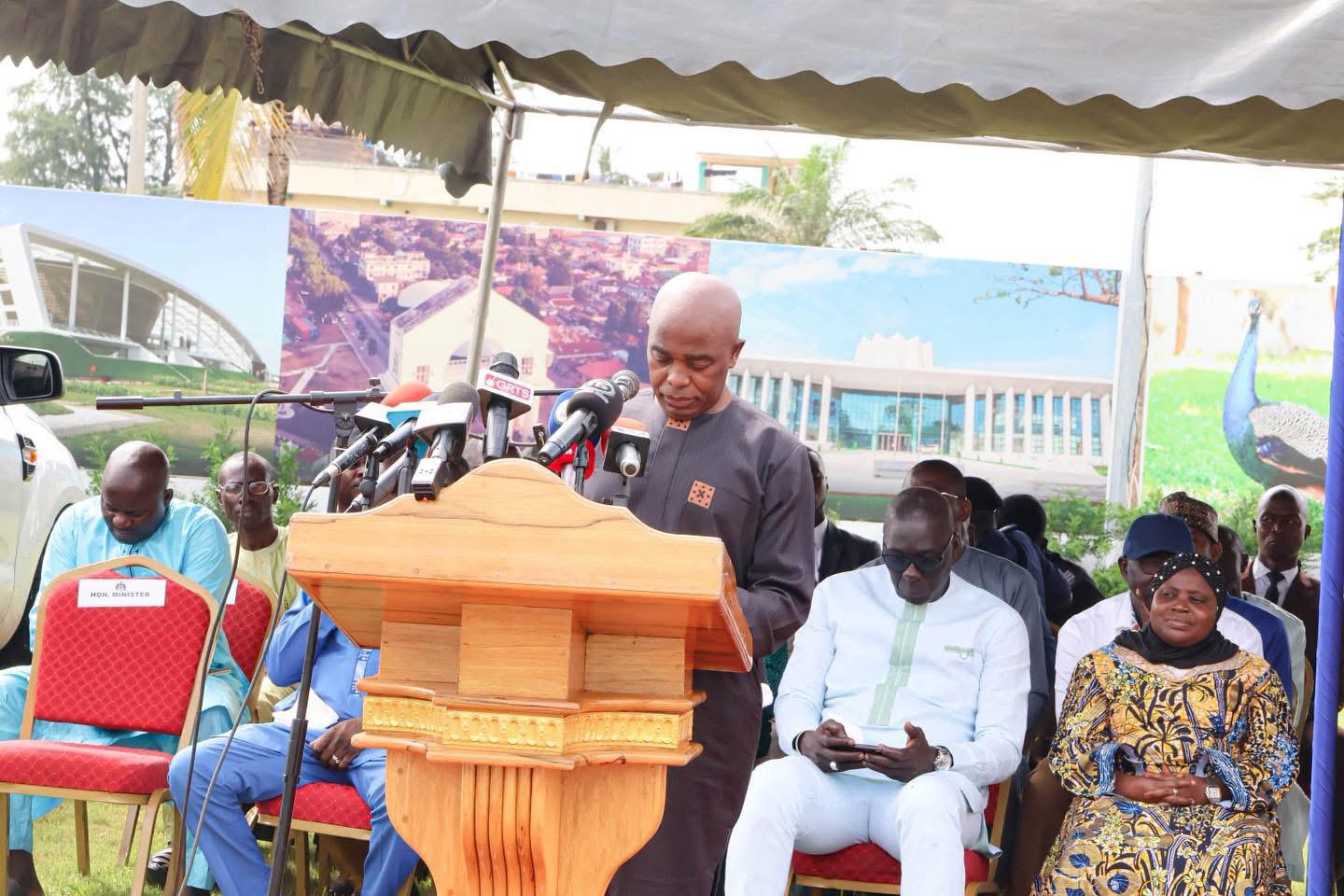
Manjang emphasized Yonna’s comprehensive ecosystem, with its six subsidiaries providing robust support to farmers. By co-financing 50% of the equipment costs with flexible four-year payment terms, Yonna is demonstrating its confidence in The Gambia’s agricultural potential and commitment to national development. “By sharing the financial investment and risk, we ensure that budget constraints do not delay this critical initiative,” he added.
Alagie Ceesay, speaking on behalf of the beneficiaries, expressed gratitude to the government for its efforts to boost agricultural productivity with modern machinery. He urged fellow farmers to honor the contractual agreements and maintain the equipment to ensure its sustainability, emphasizing the transformative potential of the initiative for their communities.
The distribution of these modern implements reflects a co-financing model designed to promote honesty and accountability. By sharing costs and responsibilities, the government and Yonna Agribusiness aim to create a sustainable framework for agricultural growth. The initiative is expected to reduce The Gambia’s reliance on food imports, create employment opportunities, and empower rural communities, aligning with broader efforts to address poverty and drive economic development.
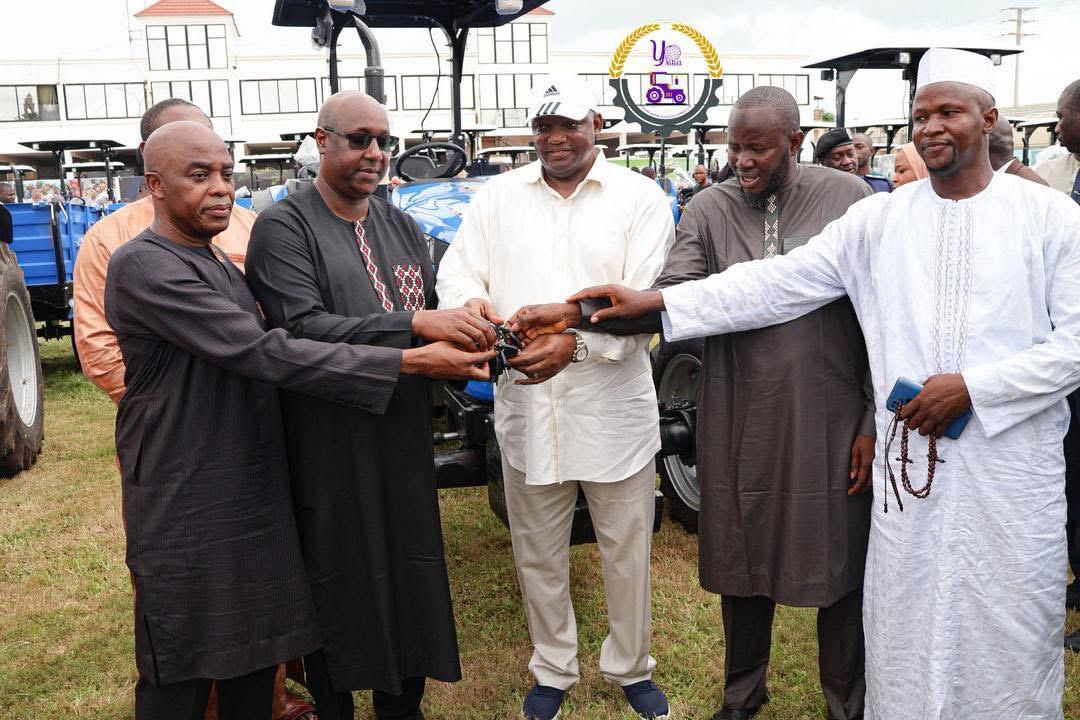
President Barrow reaffirmed the government’s commitment to supporting farmers, tasking the Ministry of Agriculture with ongoing monitoring and evaluation to ensure the machinery is used effectively.
With continued collaboration between the government, private partners like Yonna Agribusiness, and the farmers themselves, The Gambia is poised to reap the benefits of a modernized agricultural sector for years to come.