By Abdoulie John
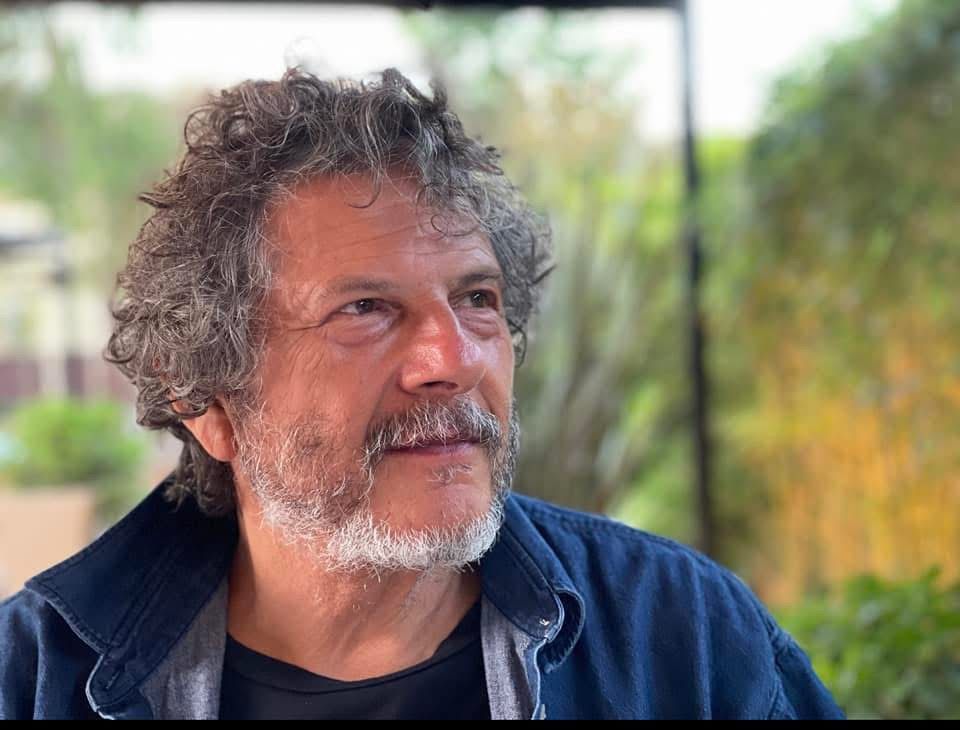
The latest tranche of Jeffrey Epstein documents, exceeding 3 million pages released by the U.S. Department of Justice last Friday, has drawn fierce criticism from prominent international human rights lawyer Reed Brody, who accused authorities of deliberately shielding influential figures while exposing vulnerable survivors.
Brody, a senior counsel at the International Commission of Jurists and veteran campaigner best known for his instrumental role in securing the conviction of former Chadian dictator Hissène Habré, described the redactions as a stark inversion of justice. While names of alleged high-profile perpetrators remain heavily blacked out, the identities of many survivors appear without equivalent protection.
“At the very least, it is profoundly retraumatizing and ethically indefensible,” Brody told The Alkamba Times. “Survivors’ names should never be exposed without their consent—especially when the individuals accused of abuse are shielded behind redactions. That inversion of protection sends a chilling message: power will be protected, vulnerability will not.”
The massive document dump, part of ongoing court-ordered disclosures and compliance with the Epstein Files Transparency Act, includes emails, flight logs, party invitations, and references to travel that survivors and their advocates have long cited as evidence of a broader sex-trafficking network. Brody emphasized that the files largely confirm rather than uncover entirely new information.
“These files have unleashed less a tsunami of new facts than a tsunami of confirmation,” he said. “They confirm what survivors have been saying for decades: that Jeffrey Epstein was not operating in isolation, and that powerful people continued to associate with him long after his abuse of minors was widely known.”
He pointed to what he called a “culture of elite impunity,” where wealth, status, and connections insulated individuals from accountability. “This wasn’t ignorance; it was indifference,” Brody added. “The normalization of proximity to a known predator is what the documents expose most disturbingly.”
Brody also highlighted the persistent “accountability gap.” Despite Epstein’s death in 2019, the records describe a trafficking operation that—by legal definition—involved multiple participants. Yet few have faced prosecution.
“The public shock comes from realizing that allegations were documented, names were noted, evidence was preserved—and still, nothing happened,” he confided. “That is the real scandal.”
Questioning whether the selective redactions amount to intimidation tactics or reflect institutional bias, Brody insisted that genuine transparency must prioritize survivor protection and scrutiny of the powerful.
“If transparency is truly the goal, then it must begin with protecting survivors and scrutinizing power—not the other way around,” he concluded. “Anything else perpetuates the very system of impunity these files have laid bare.”
Advocates and legal observers continue to press for fully unredacted versions of the remaining withheld materials, warning that partial releases risk reinforcing rather than dismantling elite impunity.