By: Kebba Ansu Manneh
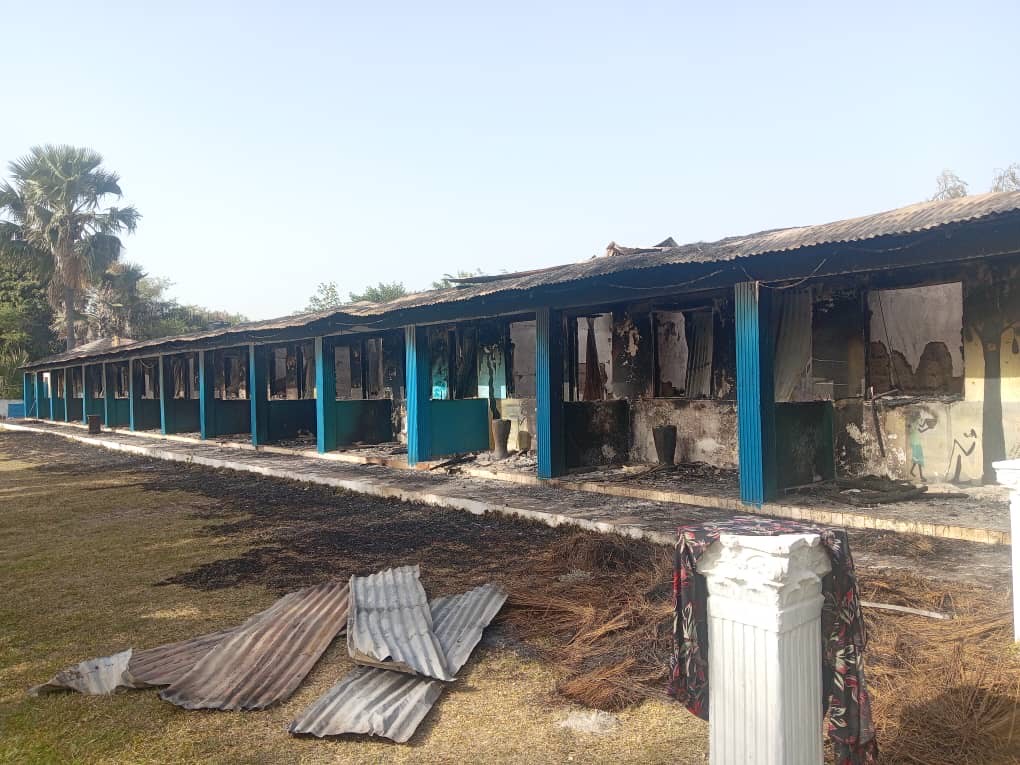
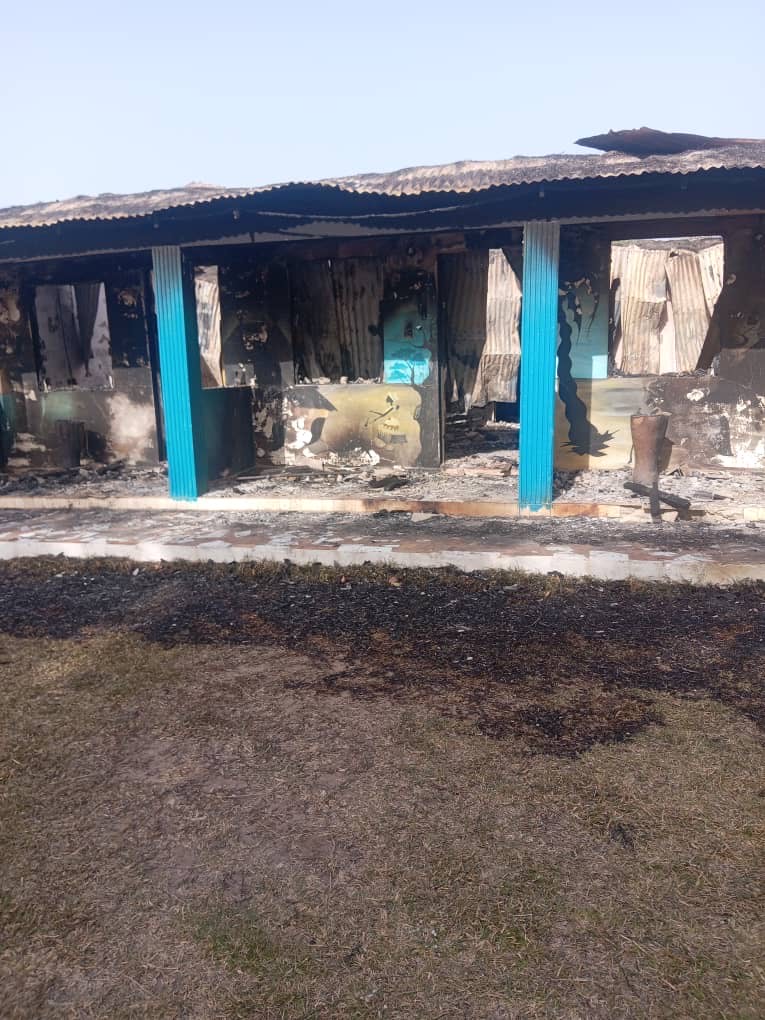
Residents of the coastal village of Sanyang are calling for an urgent and comprehensive investigation into a major fire that gutted the Sanyang Eco-Lodge on Monday, January 26, 2026, destroying an entire building and raising suspicions of arson linked to internal disputes.
The blaze, which erupted in the early morning hours and, according to some accounts, fully engulfed the structure by midday on January 27, completely ravaged 14 rooms at the eco-lodge. The facility, a community-backed tourism project, was hosting a group of Danish investors—described locally as a dentist group—who were in The Gambia providing free medical treatment to vulnerable patients.
Botto Bojang, Councillor for Sanyang Ward, confirmed the incident to TAT. He stated that the cause remains undetermined but emphasized that key stakeholders, including the village Alkalo and the investors, had been promptly informed. Bojang described the fire as a significant setback for both the Sanyang community and its foreign partners, noting the timing was particularly unfortunate given the investors’ ongoing humanitarian efforts.
Community members expressed deep concern over the loss, with one anonymous source alleging managerial complicity. The source claimed the investors had grown frustrated with alleged poor management practices, including the disappearance of substantial annual funds—reportedly £15,000—provided by the investors to support operations. “The investors have raised eyebrows on the poor management of the eco-lodge that has caused them and the community thousands of pounds,” the source said, urging residents to unite in condemning what they described as a possible deliberate act tied to a rumored management changeover.
The allegations suggest tensions over financial accountability and operational control, with calls for the current management to publicly address the suspicions and clarify the circumstances surrounding the fire.
Abdoulie Botto Gaye, the manager of Sanyang Eco-Lodge, strongly refuted the claims in a statement to TAT. He recounted receiving a call about the blaze while shopping at Today’s supermarket in Ghana Town. “Only Allah knows the cause of the fire, not the management, nor the staff who have worked very hard to remove all the belongings of the Dentist group, who are the investors of Ecolodge, friends of Sanyang,” Gaye said.
Gaye insisted that the relationship between management and the Danish investors remained positive, built on “trust and cooperation.” He highlighted a recent “confidential fruitful meeting” regarding a port issue, where the investors made the final decisions. Denying any knowledge of a new management team being appointed, he clarified operational finances: “Ecolodge management doesn’t receive money from investors; we only provide food, rooms, and drinks for them for the period of eight days. They pay when going, and the money doesn’t go to the management but to the seven investors.”
He dismissed the accusations as coming from “enemies of ecolodge,” adding, “Today is ecolodge, tomorrow Allah knows. We believe in Allah, and Allah will do the judgment.”
No injuries were reported from the incident, and staff reportedly saved the guests’ personal belongings. However, the destruction of the main accommodation block represents a major blow to the eco-lodge’s viability, a project that has promoted sustainable tourism and community benefits through partnerships with European visitors.
Local authorities have yet to announce an official inquiry, but mounting pressure from residents and stakeholders could prompt swift action from fire services, police, or tourism regulators. The Gambia has seen occasional fire incidents in recent times, though nothing directly comparable in this context has been widely reported.
For now, Sanyang mourns the loss while seeking answers that could either restore trust or expose deeper divisions.