By Fatou Dahaba
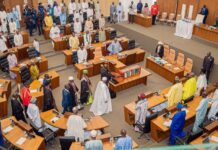
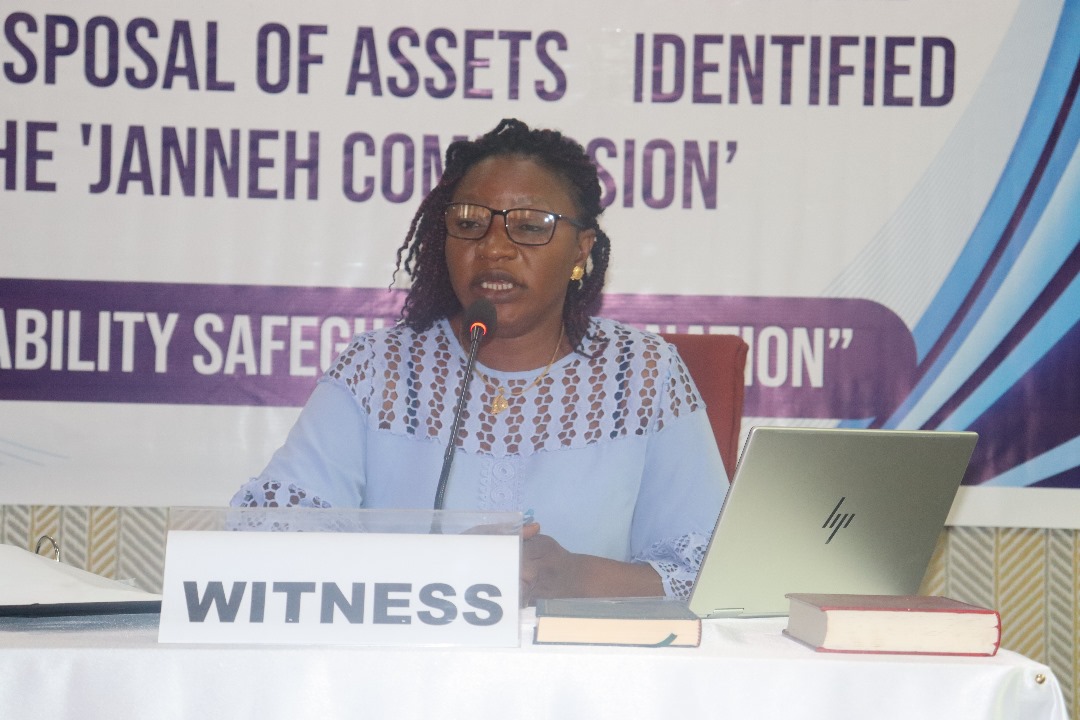
Tension gripped the National Assembly chambers today as the Special Select Committee on the Sale and Disposal of Assets Identified by the Janneh Commission abruptly curtailed its proceedings, rebuking Accountant General Agnes Macaulay for her repeated failure to produce critical documents essential to the probe. The committee, established in May 2025 to scrutinize the handling of properties and businesses seized from former President Yahya Jammeh and his associates, has been dogged by delays and incomplete submissions from key witnesses.
Macaulay’s appearance marked yet another setback, with lawmakers expressing frustration over her office’s apparent disregard for official summonses. Macaulay, summoned to testify on the financial records surrounding the sale of high-value assets—including vehicles owned by Jammeh—was ill-prepared. The committee had first issued a summons to her office on July 3, 2025, with a deadline of July 14 for submission of all relevant materials. Instead, her response arrived on August 28—over five weeks late.
Undeterred, the panel followed up with a second invitation on September 4, requiring her presence on September 10 at 10 a.m. to provide a sworn statement. She again failed to appear. During cross-examination, Macaulay attributed her absences to a vacation starting August 21, admitting she had not informed the committee or National Assembly officials. “I was not in the office,” she stated flatly, offering no prior communication.
The summons explicitly demanded copies of all documents, records, correspondence, and materials under her custody related to the inquiry, particularly receipts and ledgers for the sale and disposal of Jammeh’s presidential vehicles and other forfeited assets. Her eventual submission, dated August 20, 2025, was deemed “unsatisfactory” by the committee, lacking the depth needed to trace financial flows from the 2017 Janneh Commission recommendations.
Pleading for leniency, Macaulay requested additional time to consult colleagues and compile the missing information. “I take the blame,” she said, her voice steady but apologetic. “It is not our desire to withhold documentation. We take the work of the National Assembly and commissions very seriously—this is the only time we have fallen short. It was an oversight.”
Chairperson Abdoulie Ceesay, a lawmaker leading the 120-day investigation, was unmoved. He issued a stern ultimatum: Produce all outstanding documents within 24 hours, or face constitutional sanctions. “Within 24 hours,” Ceesay ordered, his tone brooking no argument. “And before you leave today, our investigators will take your full statement. If you fail, we will invoke the relevant sections of the Constitution against you.”
He further warned Macaulay against treating the committee with contempt, emphasizing her duty as a public servant to safeguard records tied to the Janneh Commission’s landmark findings on Jammeh’s illicit wealth—estimated at over D7 billion in recoveries. “You should know these matters well,” Ceesay admonished. “Desist from taking this committee for granted. Provide what’s in your custody to aid our work on the commission’s assets and those of his associates.” The confrontation unfolded amid broader scrutiny of the asset disposal process, which has drawn criticism for its opacity and potential mismanagement.
Earlier testimonies revealed sidelined officials and rushed sales of tractors, livestock, and properties, raising questions about accountability in post-Jammeh governance. The committee’s mandate was recently extended by 90 days to December, underscoring the probe’s complexity.
As Macaulay exited under escort to record her statement, observers noted the episode’s potential to erode public trust in state institutions.
Civil society groups monitoring the inquiry called for swift enforcement of the deadline, warning that delays could undermine efforts to recover Jammeh-era loot for national development.