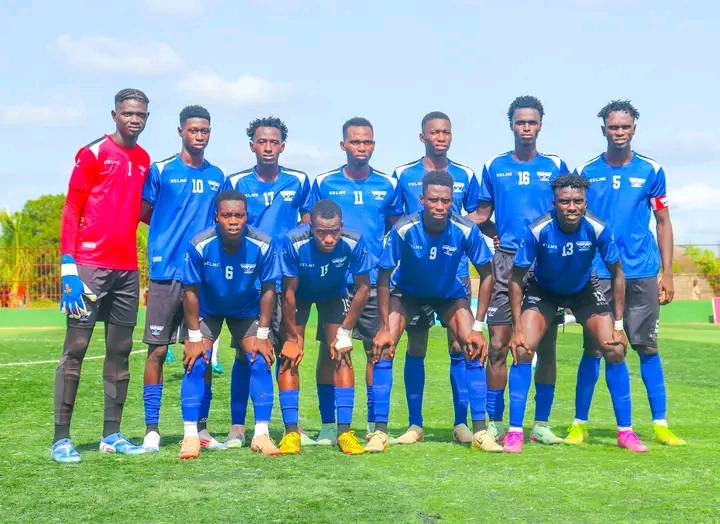
Sibanor United Football Club has achieved a landmark moment in Gambian football, earning promotion to the Gambia Football Federation Second Division League after four years of near misses and relentless effort. The Foni-based side triumphed in this year’s national playoff, defeating Ali Sowe FC of Banjul on penalties to complete a remarkable campaign.
This success follows a heartbreaking loss last season, where Sibanor fell short in the West Coast Region finals to Balor Sarr of Faraba Banta, also on penalties. Rather than lose momentum, the club returned this year with renewed determination.
They beat Gambinos FC on penalties in the regional semifinals, defeated KKJ Friends in the finals, and sealed promotion in the final playoff — once again through penalty shootouts.
Promotion to the national league is a major milestone for the club and a proud moment for the Foni region, which has seen steady football growth in recent years. Foni teams have also dominated zonal competitions, winning the West Coast Region Zonal Championship two years in a row — a sign of the region’s growing influence in the national football scene.
Sibanor United’s achievement highlights the rise of community football in The Gambia. Clubs from rural areas are proving that, with commitment and structure, they can compete at the highest levels. Sibanor’s journey mirrors that of Balor Sarr FC, who qualified from the West Coast Region to the Second Division last season and have successfully maintained their status in the league.
Crucial to Sibanor’s rise has been the unwavering support from the local community. Notably, Youth leaders such as Musa Nyassi and others have been a regular presence at every Sibanor United game over the years. His support reached a peak when his younger brother, Sainey Nyassi, scored the final penalty in the playoff match. Musa was seen sprinting across the pitch in celebration — a moment that captured the emotional significance of the club’s achievement.
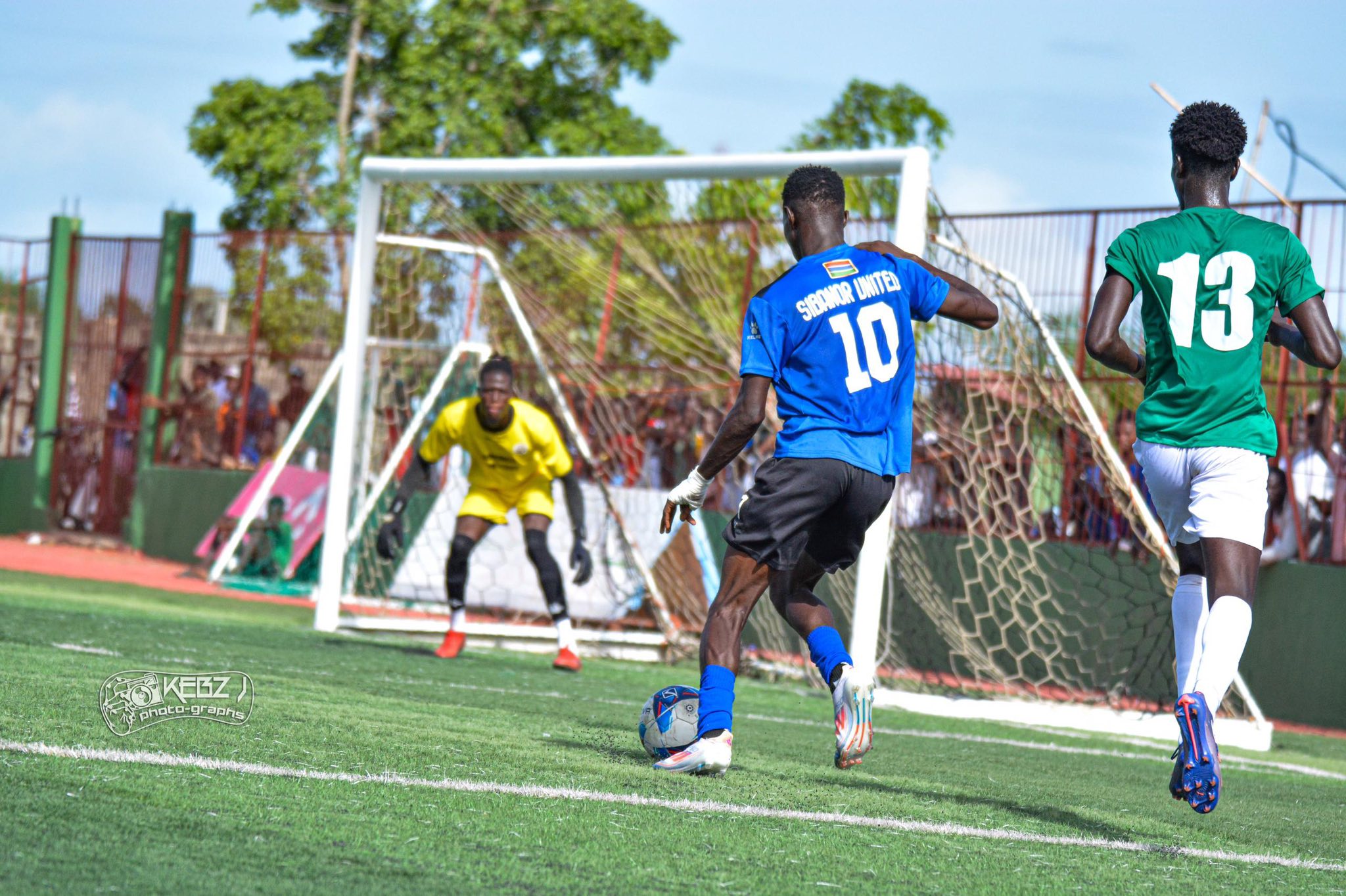
The emergence of talents like Francis Gomez, recently signed by FC Horsens in Denmark, further underscores the potential of rural football. Gomez’s transfer is unprecedented — he was signed directly from the grassroots level without playing in the First or Second Division, signaling growing recognition of talent from outside the traditional league pathways.
However, football stakeholders are calling for more support for rural football, emphasizing the need to standardize local competitions, improve infrastructure, and provide sponsorship opportunities. Many community clubs lack quality pitches, equipment, and financial backing despite producing top-tier talent and commanding strong local fan bases.
As Sibanor United prepares for life in the Second Division, their story stands as a powerful example of how community-driven football, when supported and structured, can elevate not just a club but an entire region. Their promotion is more than just a sporting victory — it is a call to invest in the future of Gambian football, starting at the grassroots.