By: Fatou Dahaba
The Gambia Revenue Authority (GRA) has kicked off 2026 on a high note, collecting D7.714 billion in the first quarter and surpassing its target by 3 percent amid ongoing reforms and improved compliance.
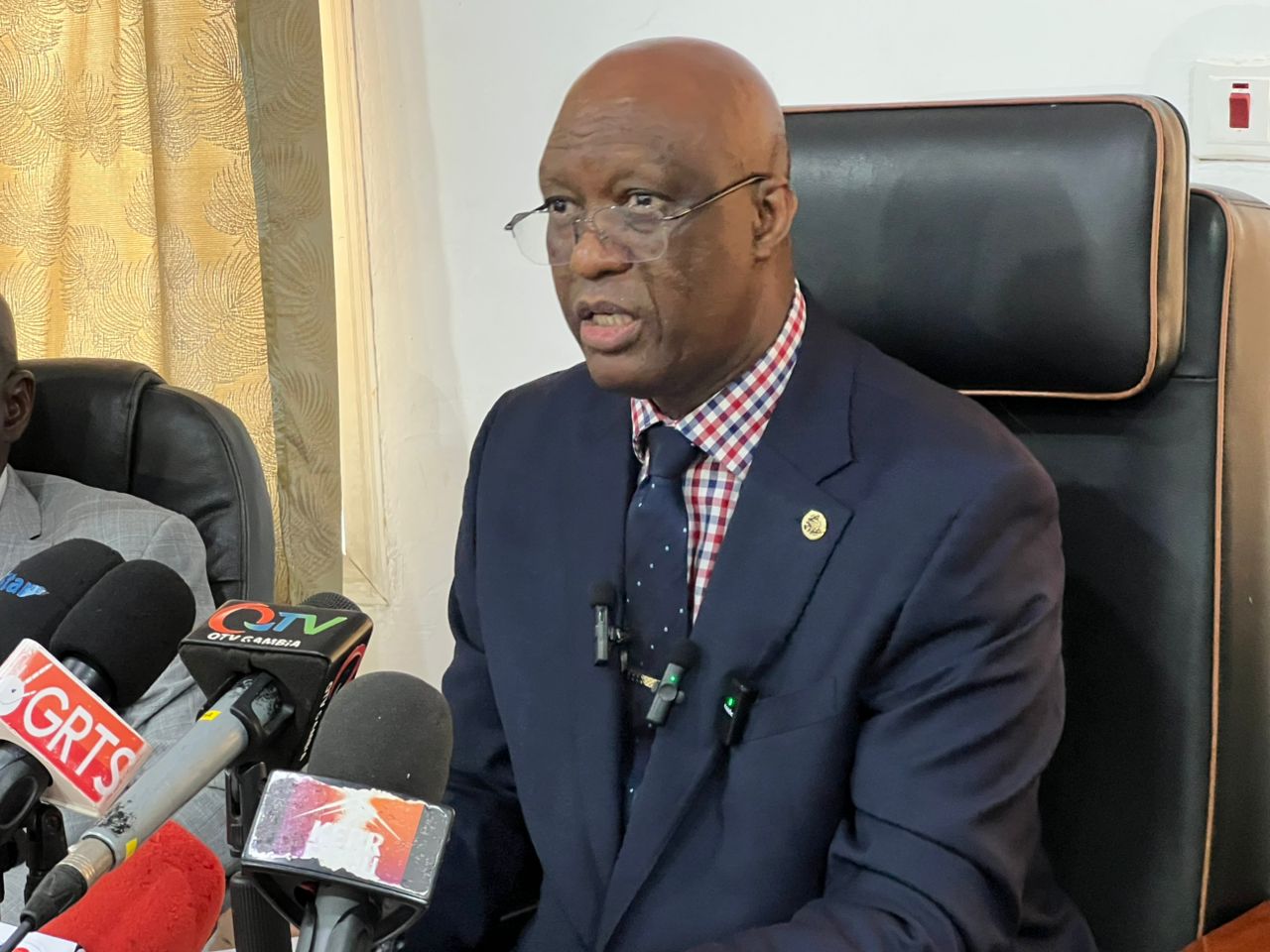
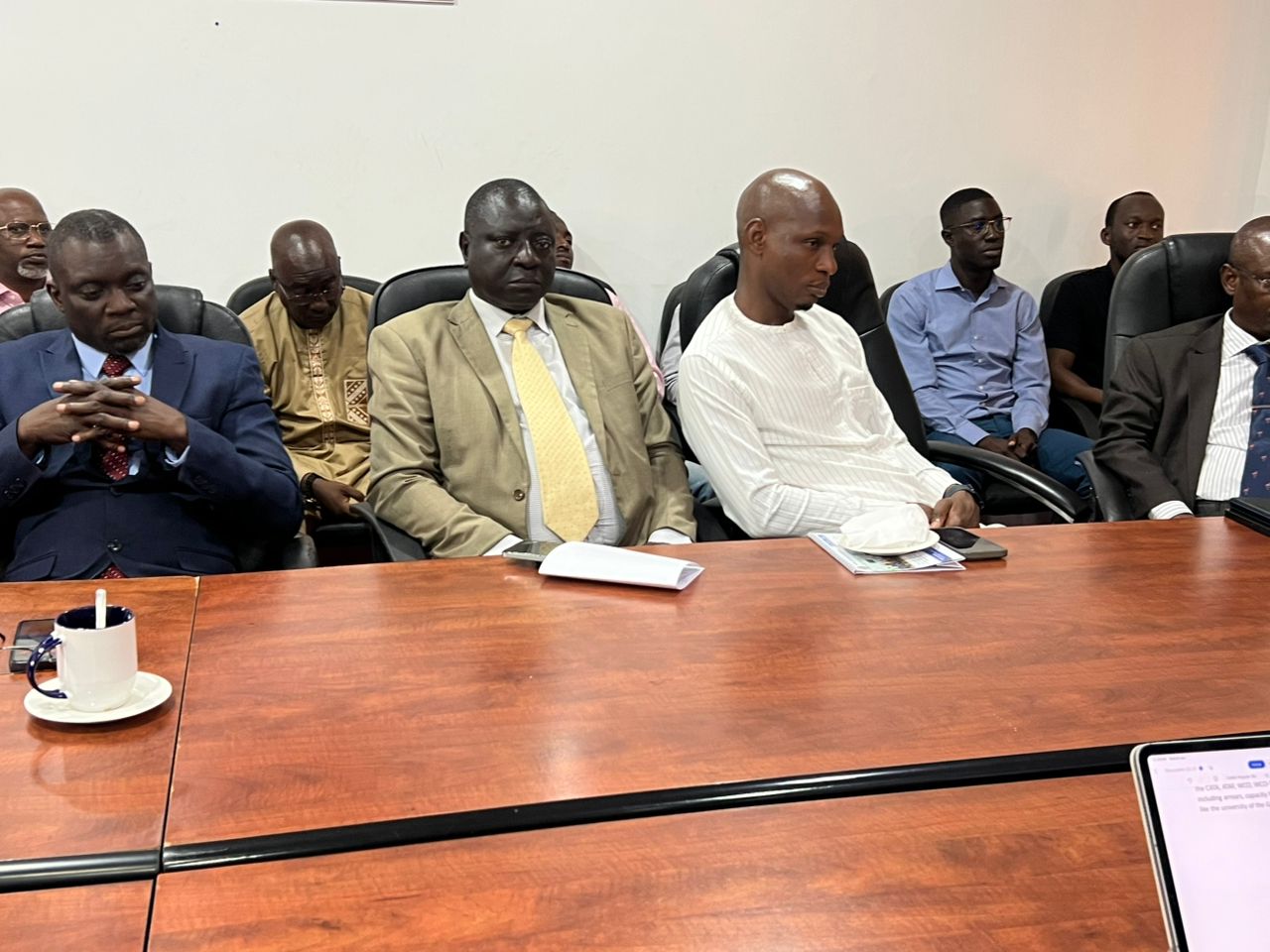
Commissioner General Yankuba Darboe announced the impressive figures at a press conference held on Wednesday at the GRA Headquarters in Banjul.
Addressing board directors, customs officials, and media representatives, Darboe revealed that the Authority mobilized D7,714,280,444.65 against a quarterly target of D7,466,927,428. This performance generated a surplus of over D247 million and translated to an average monthly collection of approximately D2.57 billion.
“This is an encouraging start,” Darboe said, describing the results as a reflection of consistency and resilience in the country’s revenue systems.
He highlighted a 14 percent increase compared to the same period in 2025, with an additional D971 million generated.
In the historical context, the Q1 2026 haul equals what the GRA collected in an entire year around 2010, underscoring long-term progress in tax administration.
“From 2006 up to 2010, yearly collections were about D3 billion,” Darboe noted. “Today, we are collecting over D3 billion in a single month. This is a clear manifestation of the progress we have made over the years.”
March 2026 stood out as a historic milestone, with revenue exceeding D3 billion for the first time in a single month. The Authority collected over D3.16 billion, beating its target by 5 percent and recording a 22 percent jump from March 2025.
The GRA has been tasked with mobilizing over D28 billion (with earlier indications around D27.5–D28.1 billion) for the full 2026 fiscal year. The first-quarter performance already accounts for about 27 percent of the annual target, positioning the Authority well to meet or exceed expectations if economic conditions remain stable.
Darboe attributed the strong results to deliberate reforms, including the digitalization of tax processes. Key initiatives cited include the ASYCUDA World migration for customs management since 2022, the fuel integrity solution (fuel marking system), which helped collect D593 million in fuel taxes in March alone by curbing under-declaration, e-tracking, and single window systems for transit cargo and import clearance, and digital weighbridges at the seaport for accurate bulk cargo measurement.
Additional gains came from a new rental income software, which boosted rental tax collection by 50 percent in Banjul and the Kanifing Municipal Council (KMC), rising from D44 million last year to D88 million in the quarter. Future projects slated for completion by December 2026 include the iTax integrated digital tax system, e-invoicing for VAT, and a centralized monitoring system for betting and gaming.
Despite the positive momentum, Darboe cautioned about external challenges. Rising global oil prices have forced the government to subsidize fuel, with over D300 million expected to be forgone in April alone to keep pump prices affordable for consumers. Such interventions, he said, are necessary but could affect revenue flows.
The Commissioner General praised the contributions of various stakeholders. He singled out financial institutions such as Trust Bank and Ecobank for their compliance, as well as telecom operators QCell, Africell, and Comium Gambia, each of which remitted over D50 million in corporate tax during the quarter.
Fintech firm Wave Gambia contributed over D335 million in its final quarter payment. State-owned entities such as the National Water and Electricity Company (NAWEC) and the Gambia Ports Authority (GPA) were also acknowledged.
Private audit firms, including Deloitte, Grant Thornton, and Augustus Porm, received special mention for ensuring accurate financial reporting that supports effective tax collection.
Darboe extended gratitude to taxpayers, businesses, and partners for their role in national development.
He concluded by thanking President Adama Barrow and the Cabinet for the political support and enabling environment that facilitated technological and administrative advancements.
“We will continue to build on this momentum to deliver on our mandate for the benefit of all Gambians,” Darboe stated, urging citizens and businesses to remain tax-compliant.
The GRA’s performance signals improved domestic resource mobilization, reduced reliance on external aid, and support for key national priorities.
With digital tools making compliance easier and more transparent, officials remain optimistic about sustaining growth throughout 2026, even as they monitor global economic headwinds.