By Alieu Ceesay
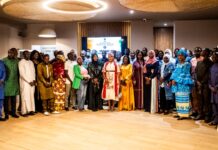
In a transformative step toward uplifting women in the Upper River Region, the Tumana Agency for Development (TAD) launched its Two Million Dalasi Women Transformative Initiative on August 31, 2025, in Njayel Village, Tumana District. Funded by the Kenyan charitable organization Pawanka, the ambitious program aims to empower 150 women aged 18 to 45 by enhancing food security and fostering economic independence through skill-building and entrepreneurship.
Titled “Indigenous Foods and Livelihood Opportunities for Women,” the initiative focuses on equipping participants with practical skills to improve their livelihoods. The year-long program includes training in processing traditional foods, such as “Dukula,” a nutrient-rich cereal powder, and crafting nutritious porridge. Beyond food production, women will learn packaging, food labeling, and entrepreneurial strategies to generate sustainable income. The initiative aligns with The Gambia’s National Development Plan, supporting the empowerment of rural women and promoting self-sufficient food production.
At the launch, TAD’s Executive Director, Muhammad B. Drammeh, outlined the program’s dual focus on tackling malnutrition and boosting economic resilience. “This project is designed to combat malnutrition and enhance the economic empowerment of women, fostering resilience against hunger,” Drammeh said. He emphasized the initiative’s role in addressing the disproportionate impact of food insecurity and climate change on women and children in the region.
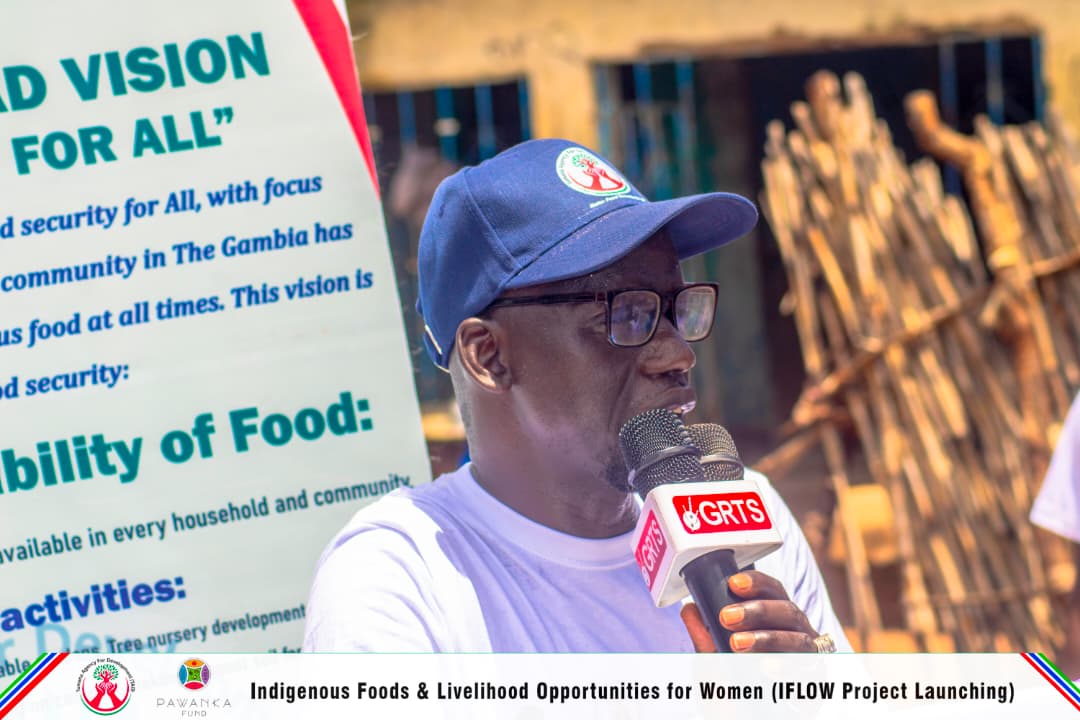
Momodou Susso, representing the Chief of Tumana District, urged participants to approach the training with dedication and commitment. “The knowledge from this training is key to development. Take it seriously,” he advised, stressing the importance of sustainability for the project’s success. Beneficiary Jainaba Janneh expressed enthusiasm, noting, “This project will open doors for business opportunities and help us provide for our families’ needs.”
The initiative is expected to create employment opportunities while addressing critical issues like hunger and malnutrition, particularly in rural communities. By equipping women with marketable skills, TAD aims to foster long-term economic stability and resilience in the face of environmental and economic challenges.
Basse Bolsters Climate Resilience with Tree Planting Drive
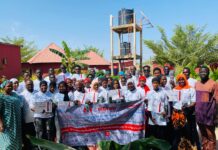
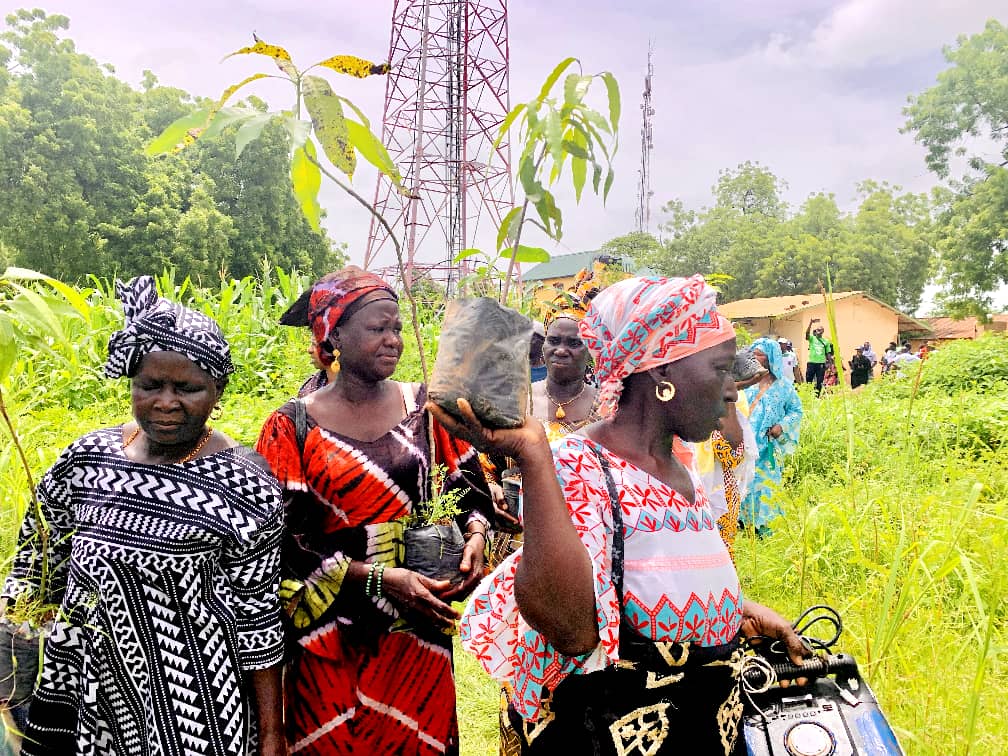
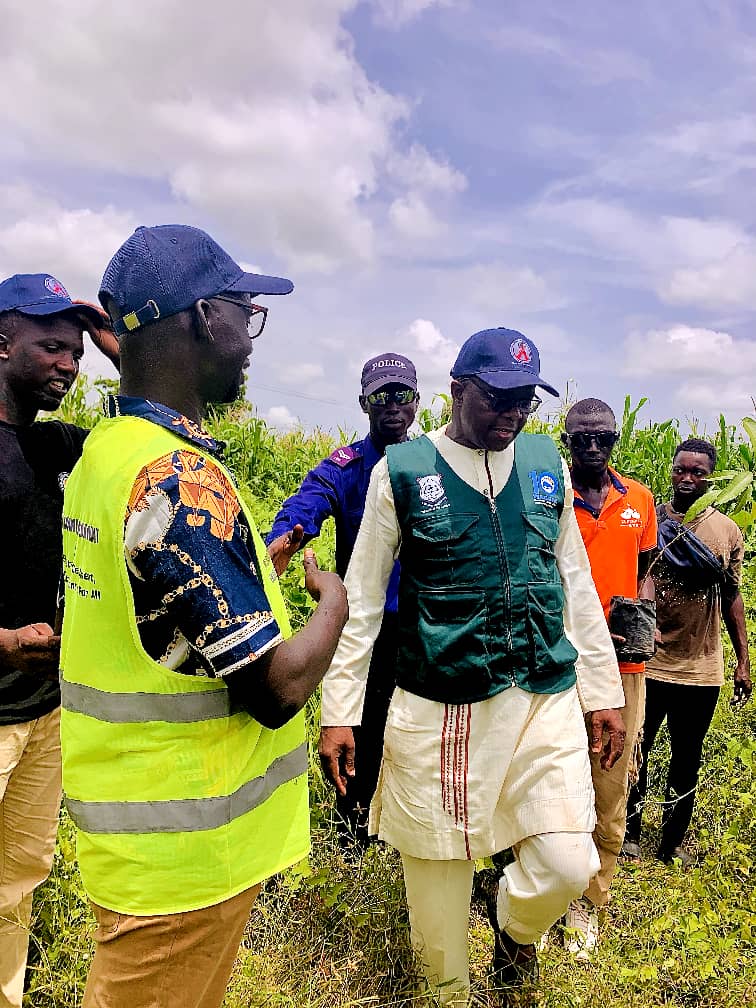
In a parallel effort to combat climate change, Basse launched a tree-planting initiative on August 24, 2025, aimed at transforming the region into a climate-resilient hub. Coordinated by the Basse Town Development Committee in collaboration with TAD, the event saw over 100 fruit-bearing and non-fruit-bearing trees planted across the area.
Professor Sidat Yaffa, a key supporter of the initiative, articulated an ambitious vision: “I want Basse to emerge as the most climate-resilient city in The Gambia. We are determined to set a benchmark for climate change adaptability.” The Basse Town Development Committee plans to plant over 3,000 trees in the region over the next three years, reinforcing its commitment to environmental sustainability and economic growth through eco-tourism.
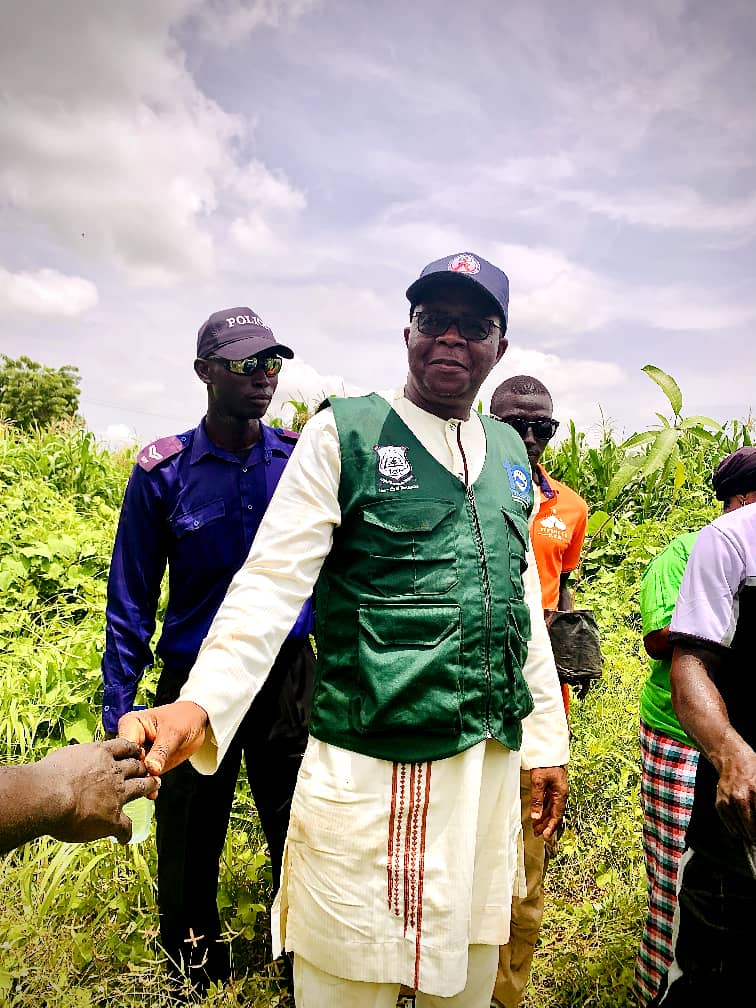
Alagie Jallow, Chairman of the Basse Town Development Committee, emphasized the urgency of the effort. “Climate change is an undeniable reality, and planting trees is the most effective way to combat it. We also aim to transform Basse into a tourism-friendly area,” he said. The initiative received strong backing from regional authorities, including the Upper River Region Governor, Honorable Samba Jallow, and the Basse Area Council Vice Chairman, Abubacarr Danjo, who reaffirmed their commitment to combating climate change and supporting community-driven solutions.
The dual initiatives in Basse highlight a holistic approach to development, blending women’s empowerment with environmental sustainability. As the D2M Women Transformative Initiative trains women to build sustainable livelihoods, the tree-planting campaign lays the foundation for a greener, more resilient future. Together, these efforts position Basse as a model for addressing both social and environmental challenges in The Gambia.
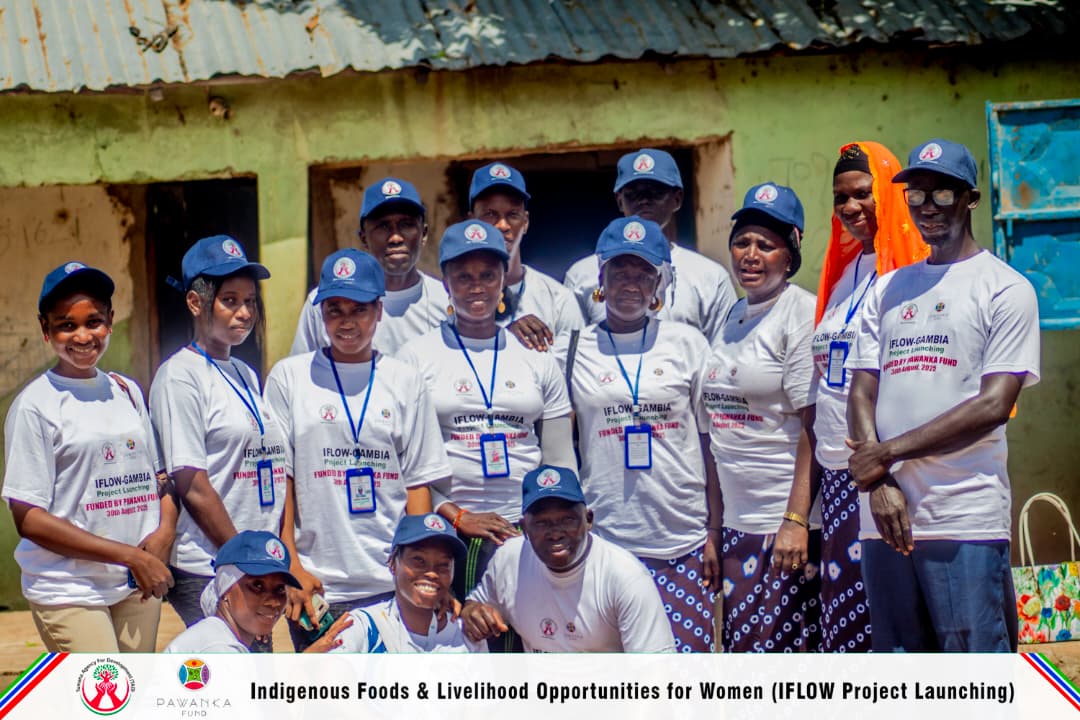
With the community’s enthusiasm and the support of local leaders, TAD’s initiatives promise to leave a lasting impact, fostering economic empowerment and environmental stewardship in the Upper River Region.