
By: Sainabou Sambou
Dr. Musa Marenah, an obstetrician-gynecologist and Programme Manager for Reproductive, Maternal, Neonatal, and Child Health at the Ministry of Health, issued a warning to young women regarding the use of unverified virginity pills and herbal remedies.
Dr. Marenah highlighted the potential health risks of these products, which have been gaining popularity. He cautioned that the consumption of these pills and herbs could result in numerous complications, including issues with future conception and pregnancy, infections, difficulties during sexual intercourse, and irregular menstrual cycles.
He noted that these products could cause physical harm to the vaginal area, leading to problems such as the vaginal walls sticking together, which can have long-term health consequences.
“The risk of infection is significant, particularly if the medication is produced or handled in unsanitary conditions,” Dr. Marenah explained. “Moreover, if these products contain harmful chemicals, they can cause corrosion, potentially impacting both the woman and her partner.”
The warning comes amid growing concern about the widespread use of these unregulated products. Dr. Marenah’s advice underscores the importance of seeking professional medical guidance and relying on scientifically validated methods for health and well-being rather than resorting to unproven solutions that may pose serious health risks.
In a candid discussion, Dr. Marenah elaborated on the different types of virginity pills available in the market, explaining that some are designed to be inserted hours before sexual intercourse to produce a red color, simulating bleeding. In contrast, others claim to tighten the vagina, potentially leading to surgical intervention for re-enlargement.
Dr. Marenah emphasized that there is no scientifically validated test for virginity globally, dispelling the myth that virginity can be verified through any medical test.
He highlighted the confusion and misinformation that young women often face regarding the concept of virginity.
Clarifying common misconceptions, Dr. Marenah explained, “What most people focus on is the presence of the hymen. The hymen is a thin membrane that partially covers the vaginal opening. It is important to understand that every woman is different; some are born with hymns, while others are not. It has no blood vessels, and its rupture does not necessarily cause bleeding.”
Dr. Marenah’s insights aim to educate young women about the myths surrounding virginity and to encourage informed, safe practices regarding reproductive health. He underscores the importance of seeking accurate medical advice and understanding the biological realities rather than relying on cultural myths or unproven products.
The sale and use of artificial and herbal virginity pills have become a notable trend in The Gambia, with businesswomen like Musu and Zaaja actively participating in this market. Musu, a Nigerian woman in The Gambia, claims that imported products from Nigeria have attracted over a thousand customers, primarily Gambians. She offers her pseudo virginity pills at D7000 and herbal medications starting from D300.
According to Musu, the herbal medicines are designed to be used on the wedding day, requiring a specific insertion and cleansing process over four pills.
Similarly, Zaaja, not her real name, a Gambian business owner, imports her version of fake virginity pills from China. She reported selling these pills for D7000 in 2024, with a price increase to D8000 in 2025. Zaaja differentiates her service by offering guidance to purchasers, directing them to a doctor for assistance with the insertion process, and recommending usage starting one week before the wedding.
Both vendors highlight a demand for these products, reflecting cultural pressures and misconceptions surrounding virginity.
Gambia’s MCA Sounds Alarm on Illegal Vaginal Tightening Pills, Warns of Severe Health Risks
Meanwhile, Tijan Jallow, Director of Operations at The Gambia’s Medicines Control Agency (MCA), has issued an urgent warning about the proliferation of unregistered vaginal tightening and so-called “fake virginity” pills flooding the local market. These unapproved products, often marketed to women under cultural pressures, pose serious health risks, including chemical burns, infections, and long-term reproductive damage, Jallow disclosed in an interview with The Alkamba Times.
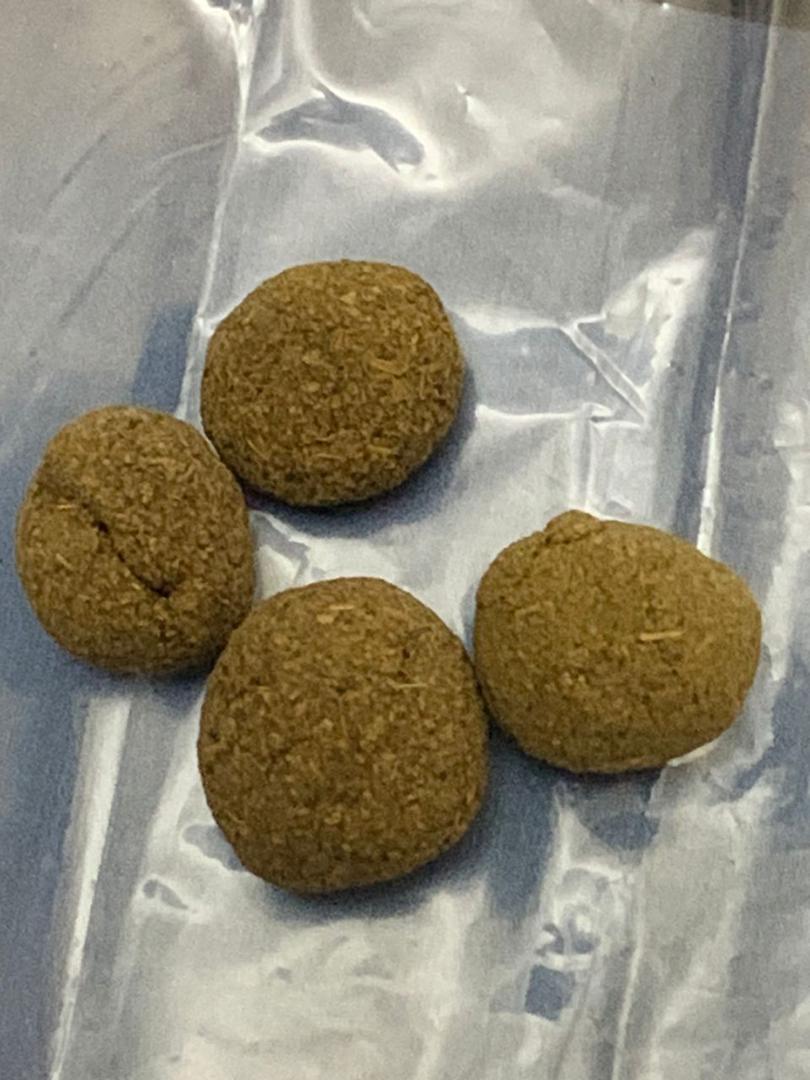
Jallow revealed that none of these products have been legally registered or approved by the MCA, rendering their sale and use illegal. “These products contain unknown chemicals,” he cautioned, explaining that they disrupt the vaginal pH balance, typically maintained between 3.8 and 4.5 to ward off harmful microorganisms. “If you’re taking these medications, instead of maintaining an acidic medium to prevent microbial growth, they alter that pH, leaving women vulnerable,” he said. The consequences include severe vaginal irritation, allergic reactions, chemical burns, and infections like bacterial vaginosis.
The risks extend beyond immediate physical harm. Jallow highlighted that prolonged or habitual use of these pills could lead to toxicity, damaging vital organs and the vaginal floor, potentially causing irreversible reproductive harm. He also pointed to significant psychological and social fallout, driven by cultural expectations around virginity.
“Adverse reactions can trigger anxiety, mental health challenges, and even relationship strain if partners feel deceived,” Jallow noted, underscoring the broader societal impact. The MCA’s fight against these illicit products is part of a broader mission to sanitize The Gambia’s pharmaceutical market and ensure all medical products meet stringent safety and quality standards.
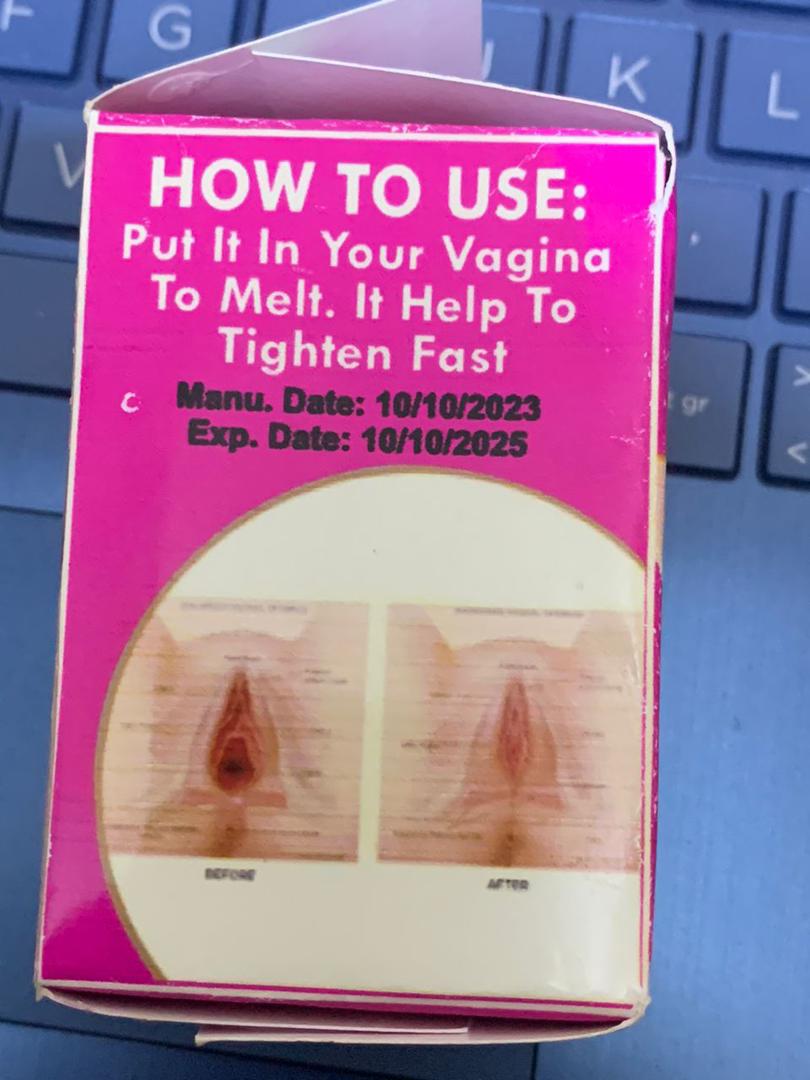
However, Jallow acknowledged the daunting scale of the challenge, likening it to a battle more complex than countering terrorism. “There is no country free from substandard and falsified medical products,” he said, citing global estimates that counterfeit medicines generate over $75 billion annually for illicit networks, often infiltrating porous borders like The Gambia’s.
Jallow’s warning aligns with recent MCA efforts to crack down on unregulated health products, including public advisories issued in 2023 about counterfeit drugs circulating in West Africa. The agency has intensified market surveillance and collaborated with regional bodies like the West African Health Organisation to stem the tide of illegal imports. Yet, the accessibility of these pills through unregulated vendors and online platforms remains a persistent threat, particularly targeting vulnerable women seeking quick solutions under societal pressure.

The MCA is urging the public to report suspicious products and purchase medications only from licensed pharmacies. Jallow emphasized the importance of public awareness, noting that many consumers are unaware of the dangers lurking in unverified remedies. “We are committed to protecting Gambians from these hazardous products, but we need collective vigilance,” he said, encouraging women to consult healthcare professionals before using any vaginal health products.
Health experts echoed Jallow’s concerns, with local gynecologist Dr. Fatou Ceesay warning that untreated infections from such products could escalate to pelvic inflammatory disease, risking infertility. Community leaders have also called for education campaigns to address cultural myths fueling demand, advocating for open dialogues about women’s health and autonomy.
The use of fake virginity pills, also referred to as artificial hymen products, has been observed in The Gambia and other African countries. However, specific statistics regarding their prevalence are scarce. The informal nature of the market, coupled with a lack of formal research and the social stigma associated with the topic, contributes to the limited documentation of their use.
Cultural expectations surrounding virginity can significantly influence women’s choices, leading them to seek products that promise to restore the appearance of virginity.
A 2017 report by the Nigeria Center for Reproductive Rights highlighted this issue, noting that many women use products claiming to “tighten” the vagina. Yet, it did not provide specific data on the number of users.
In 2018, the Nigerian National Agency for Food and Drug Administration and Control (NAFDAC) reported that many of these virginity pills are unregulated and may contain harmful substances. However, it also did not indicate how prevalent their use is. Similarly, a 2019 report from the Kenyan Ministry of Health raised concerns about unapproved herbal products with claims related to virginity restoration, again without providing specific user statistics.
Despite the potential health risks associated with these products, reports from across Africa indicate that many young women may choose to use them to navigate societal pressures and avoid the stigma related to virginity. This highlights a complex intersection of cultural beliefs, health implications, and individual choices in addressing social expectations.