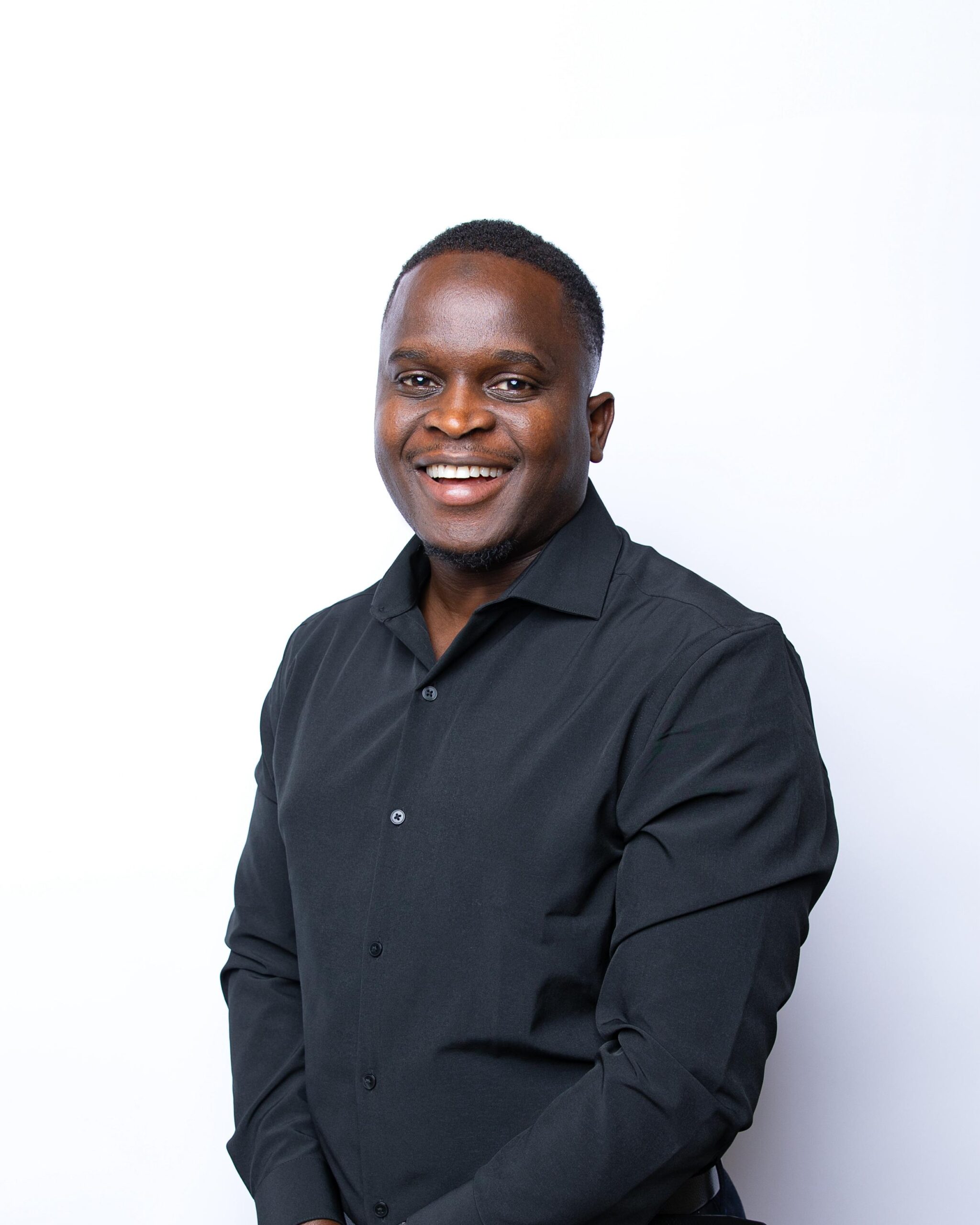
Under the relentless sun of Brufut, a coastal village in The Gambia where the Atlantic waves crash like whispers of untapped potential, Yusupha Bojang once chased a soccer ball across dusty fields. The year was the early 2000s, and young Yusupha, barefoot and determined, dreamed of stadium lights and professional glory. But the 45-kilometer trek to training grounds in Brikama or Banjul—often on unreliable transport—dashed those hopes, stranding him between passion and practicality. “Soccer was my first love,” Bojang recalls, his voice carrying the warm lilt of West African resilience during a recent interview with TAT from his Everett, Washington home. “But barriers like distance and resources cut it short. I vowed that the next generation wouldn’t face the same.”
Today, at 37, Bojang has transformed that unfulfilled dream into a transatlantic empire of purpose-driven ventures. From the rain-slicked streets of the Pacific Northwest to the vibrant markets of his homeland, he’s woven a tapestry of real estate, cultural commerce, and youth sports. His businesses—DizaYus Real Estate, DizaYus African Market, and DizaYus FC—aren’t just profit engines; they’re lifelines for immigrants chasing the American Dream and Gambian youth kicking toward brighter futures. “Success isn’t dollars,” Bojang says, leaning forward in his office chair, a Gambian flag pinned to the wall behind him. “It’s impact—turning ‘impossible’ into ‘I’m possible’ for families and kids who look like me.” Bojang’s odyssey from The Gambia’s “Smiling Coast” to the U.S. embodies the grit of the diaspora.
Born and raised in Brufut, he was steeped in entrepreneurial ethos by his father, a real estate developer whose modest projects dotted the village skyline. “Dad showed me that land isn’t just dirt—it’s legacy,” Bojang explains. Motivated by whispers of opportunity abroad, he immigrated in 2010, landing in Seattle with little more than determination and a suitcase. The culture shock hit hard: navigating bureaucracy, language nuances, and a winter chill that pierced like exile. “Adapting to a new system without a network? It tested everything,” he admits. “But those struggles forged my spirit. Hard work and focus open doors—no shortcuts.”
Financial hurdles loomed largest. As an immigrant, securing loans or trust in a competitive market felt like scaling Everest in flip-flops. Bojang started small, reinvesting every cent from odd jobs into education. He earned his real estate license through relentless night studies, channeling his father’s influence into DizaYus Real Estate. Launched in Washington State, the firm specializes in new construction homes, a niche that resonates with its Gambian clientele’s love for “fresh starts”—modern designs, warranties, and neighborhoods buzzing with potential. “Many in our community arrive with big dreams but credit scars,” he says. “I don’t sell houses; I build wealth.”
One client’s story lingers like a cherished trophy. A young Gambian couple, renters for years and repeatedly rejected by lenders, turned to Bojang in despair. “They were told ‘no’ everywhere,” he recounts. Over months, he coached them on credit repair, unearthed FHA loans and down payment assistance programs, and navigated the paperwork labyrinth. When they closed on a brand-new home in a quiet Everett suburb, tears flowed freely. “Seeing their kids run through rooms they owned? That joy—it’s why I wake up at 5 a.m. for prospecting calls.”
Bojang credits industry retreats like Mike Ferry’s for sharpening his edge. Networking with titans like Brady Sandahl taught him discipline: “Real estate is 80% mindset. Prospect daily, build real relationships, and toughen your mental game.” His philosophy shines brightest in DizaYus African Market, a cozy haven at 35 SE Everett Mall Way that opened in February 2022. Co-founded with his wife, Khadiza Boye, whom he married in 2019 (she joined him in the U.S. a year later), the store is more than shelves of palm oil jugs, plantain chips, and canned Titus sardines.

It’s a slice of Africa amid evergreen pines, serving Washington’s burgeoning West African community—estimated at 20,000 strong. “Everett’s African population was exploding, but where could they find domoda ingredients or Peak evaporated milk?” Bojang asks, grinning. “We filled that gap—a taste of home for those feeling homesick.” The name “DizaYus” fuses their identities: Diza from Khadiza, Yus from Yusupha—a symbol of their unbreakable partnership.
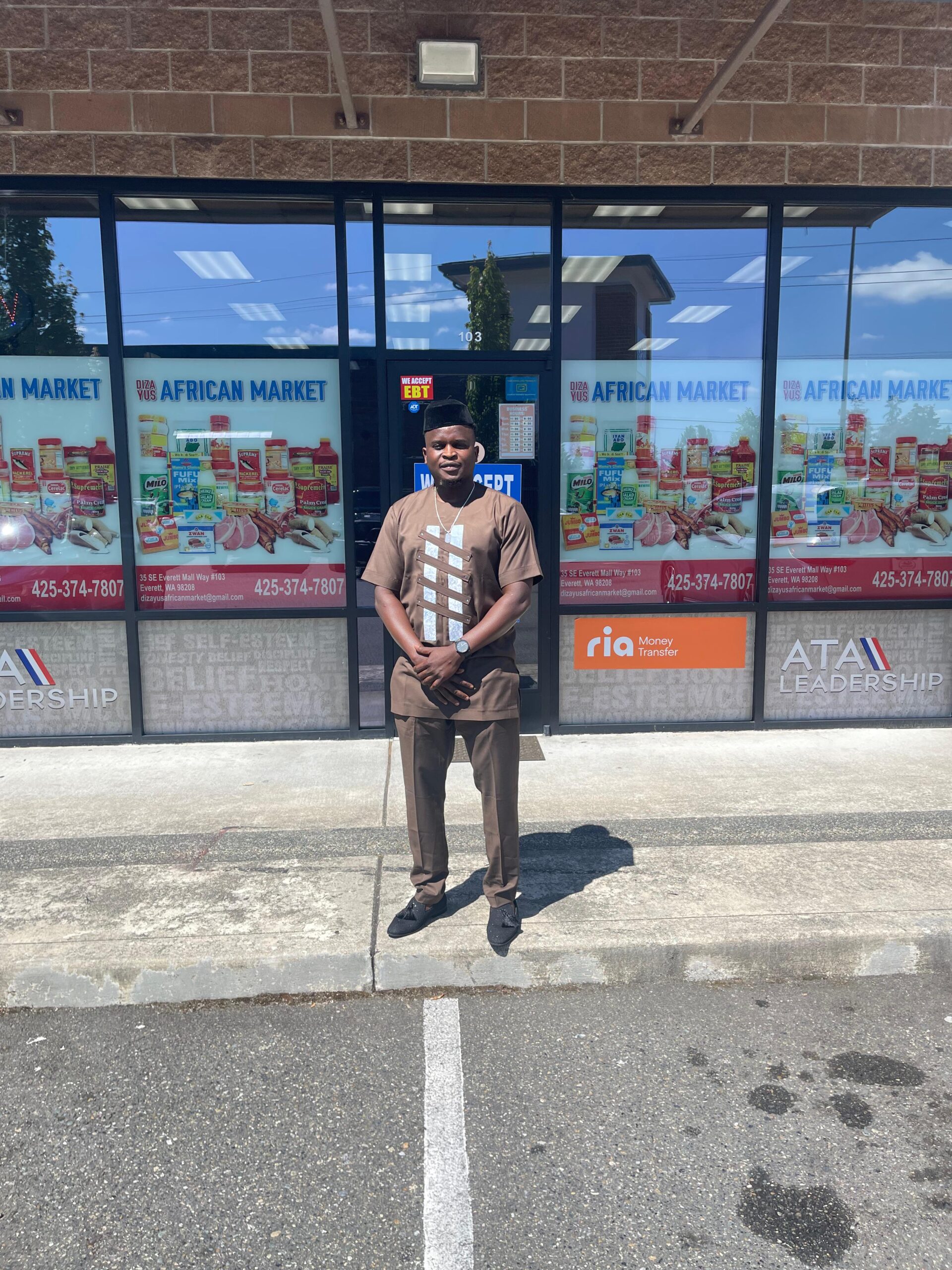
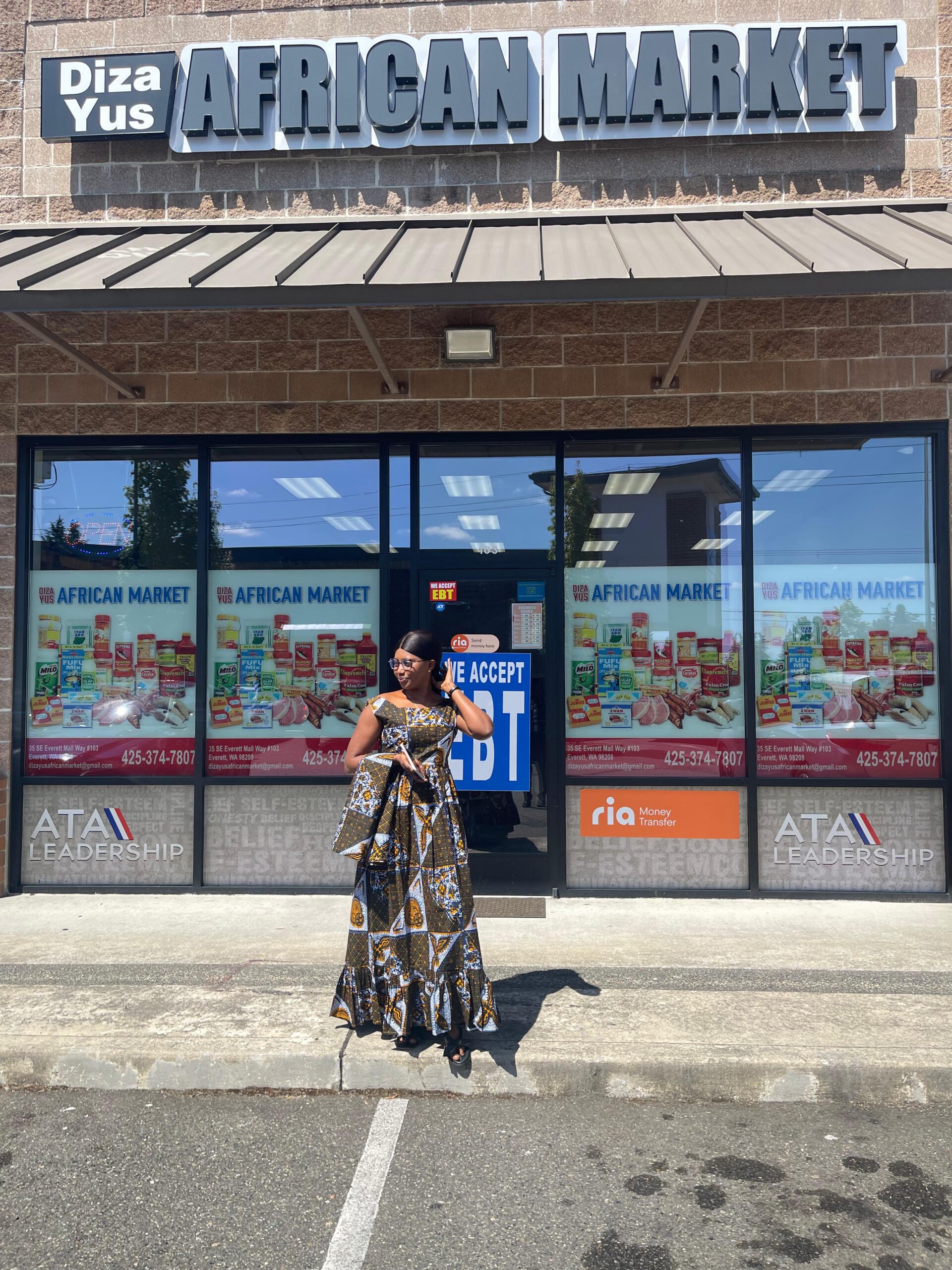
While Bojang handles sourcing and logistics, Khadiza’s creative flair dominates social media. On TikTok and Facebook, she whips up recipe videos—peanut stew simmering over rice, fufu demos that rack up thousands of views—turning promotion into celebration. “She’s the heartbeat,” Bojang says. “We curate based on community asks: more egusi seeds? Done.” Beyond commerce, the market pulses as a social nexus. Customers linger, swapping stories of Banjul traffic or Seattle rains. One afternoon, two families—separated by years and oceans—reunited over shared yams, hugs echoing like village drums. “It’s not retail; it’s reconnection,” Bojang reflects. Growth has been swift; what started as a solo venture now employs locals, with dreams of a full African supermarket chain. “Crazy? Maybe. But dreams like that keep us going.” Gratitude for America’s embrace fueled Bojang’s next chapter: six years in the U.S. Army, including a harrowing Iraq tour. “The opportunities here—education, safety—demanded I give back,” he says.
Discharged honorably, he channeled that discipline into community leadership: Acting Vice President of the Northwest Seattle Gambia Association, executive roles in SEAGAM FC, Brufut Seattle Association (FOB), and Kasch Park Adult Soccer Group. These aren’t titles; they’re extensions of his Gambian roots, where “community” means family. “Our culture teaches sharing and upliftment,” he notes. “I carry that here—whether closing deals or organizing fundraisers.” Yet, Bojang’s heart tugs homeward. In 2023, he launched DizaYus FC, a third-division soccer club in Brufut, and fully owns a rentable indoor facility—barriers he once cursed now banished. “No more hitching rides to practice,” he laughs.
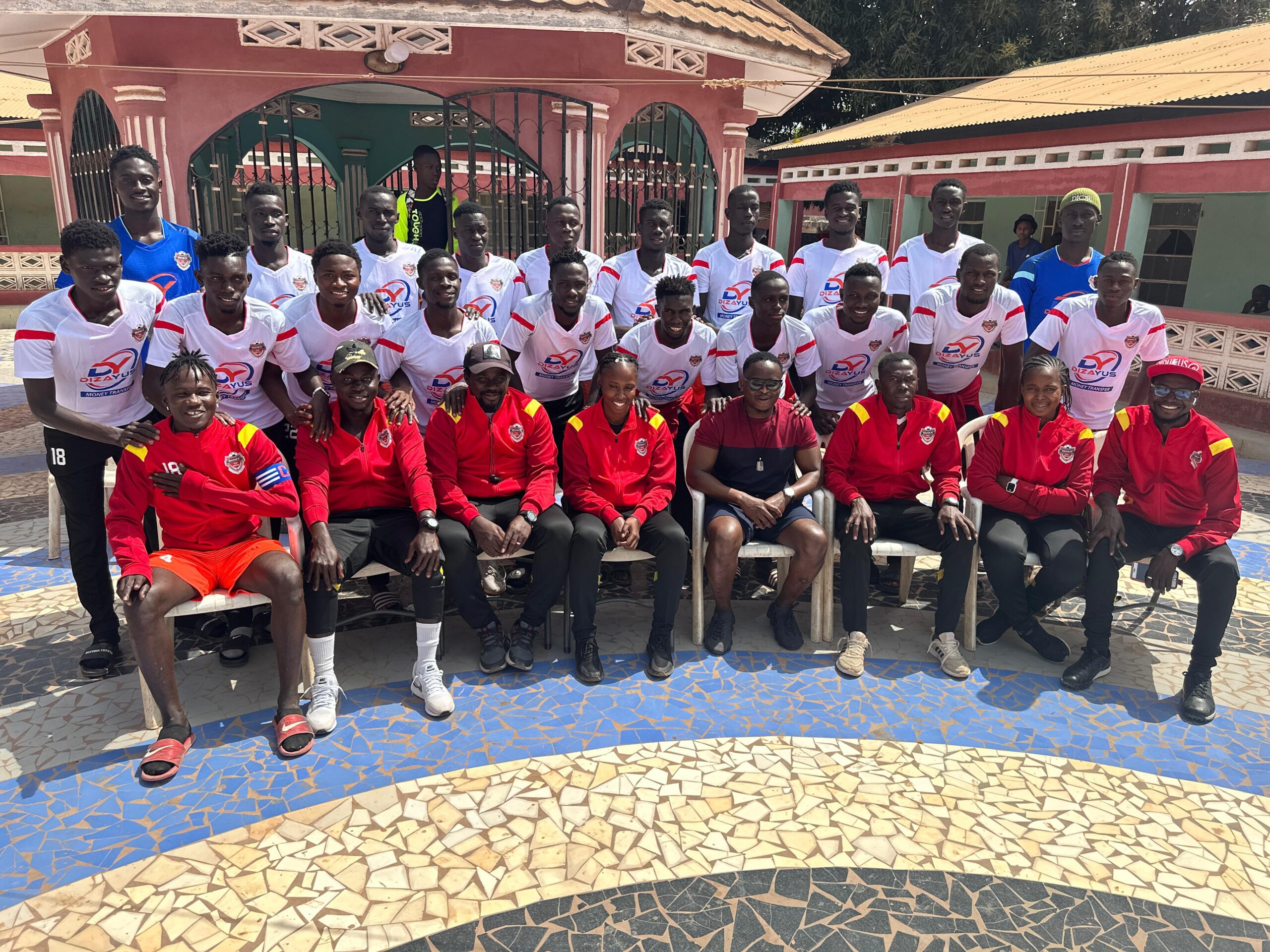
Inspired by his truncated playing days with Brikama United and Hawks, the club scouts local talent with an eye for discipline over raw skill. Open trials for the 2024-2025 season draw eager teens, their faces alight with possibility. Stars like Alieu Kwessie and Musa Danso, who graduated to Brikama United, embody the payoff. “We nurture holistically—soccer as a ladder to education, jobs, even abroad,” Bojang explains. The indoor field, a floodlit sanctuary, hosts year-round sessions, creates employment, and wards off idle hands. “It’s a safe space, positive vibes—reducing street risks while building futures.”
Balancing empires across time zones is no small feat. Daily Zooms bridge Everett to Brufut; trusted teams handle on-ground ops. “Technology’s my lifeline, but purpose drives it,” he says. Challenges persist: U.S. networks demand cultural navigation, Gambian infrastructure tests patience. Yet, Bojang adapts—grassroots partnerships stateside, creative hustles back home.
As DizaYus evolves—real estate eyeing expansions, the market chaining up, FC churning pros—Bojang’s advice rings clear: “Start small, reinvest, mentor up. Perfect conditions? Myth. Just begin.”
In Brufut’s fading light, as DizaYus FC drills echo, Bojang’s story inspires. A boy denied a pitch now grooms legends; an immigrant’s hustle now homes dreams. “I hope they see: Stay true, lift others—your roots fuel your wings.” From smiling coasts to starry skies, Yusupha Bojang proves the diaspora isn’t departure—it’s dual destiny.