By Ebrima Mbaye
The holy month of Ramadan commenced on February 18, 2026, in The Gambia, ushering in a period of spiritual reflection, communal prayers, and nightly devotion. Mosques across the nation filled with worshippers as calls to prayer echoed into the night, marking the start of a blessed time of fasting, charity, and closeness to God.
Yet beneath this sacred atmosphere, a different mood prevails in the country’s bustling markets. Joy has given way to worry and hardship as prices of essential food items have surged dramatically just as families prepare for iftar, the evening meal to break the daily fast.
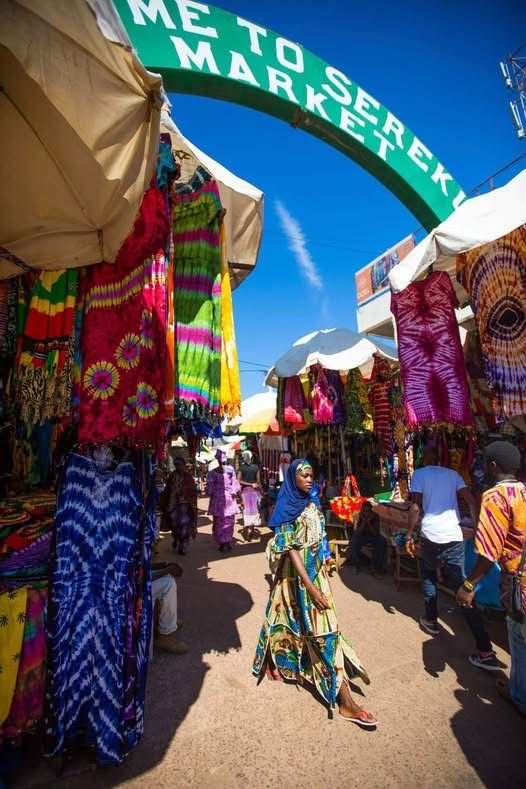
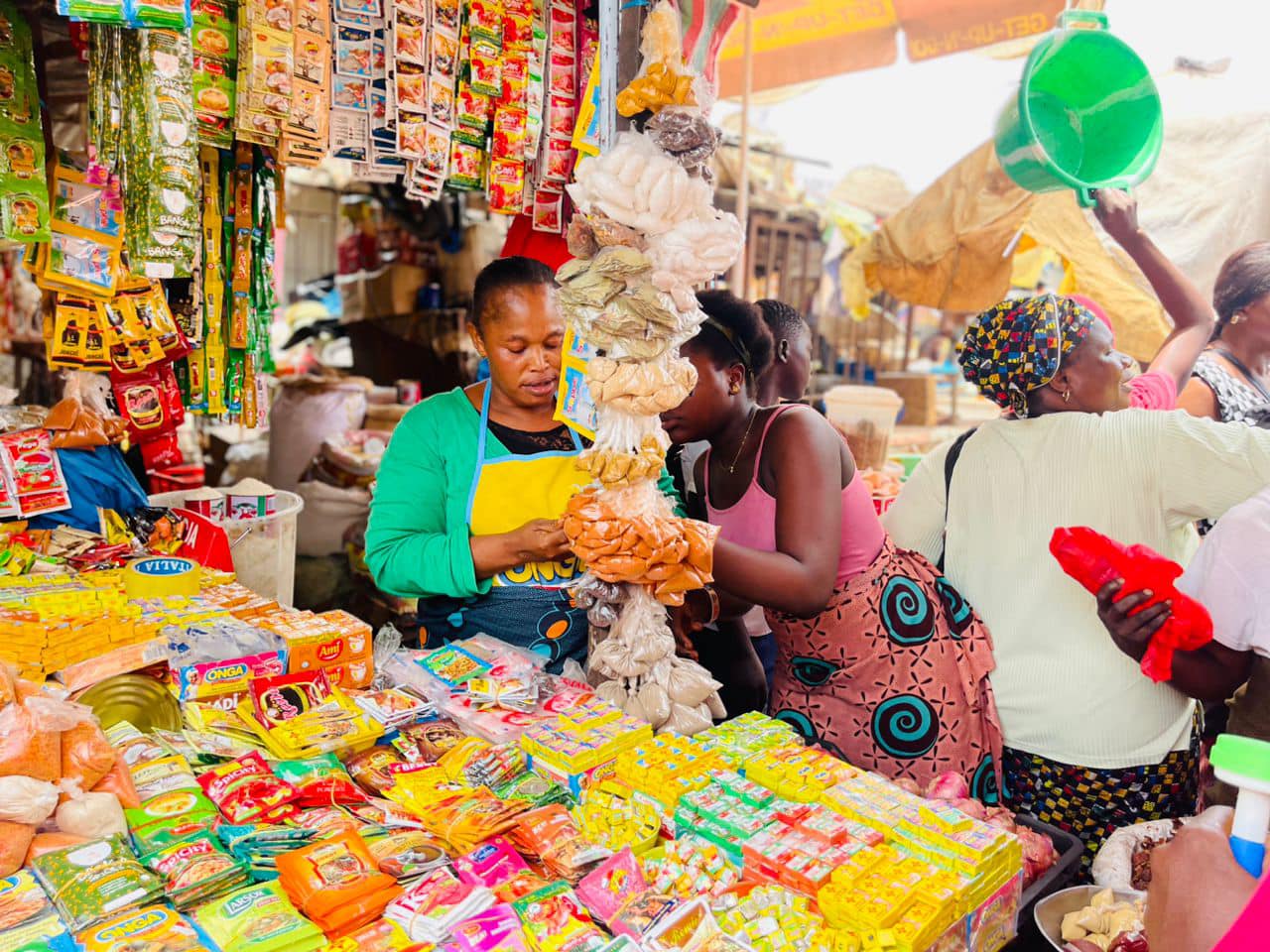
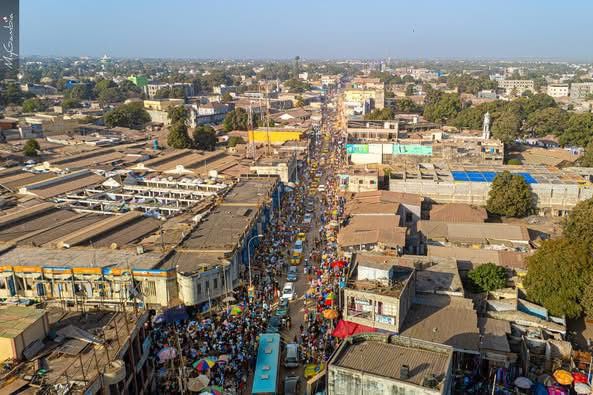
At Serrekunda market, one of the largest in the Greater Banjul area, mothers move cautiously from stall to stall, inquiring about prices and calculating what they can afford. A bag of onions, previously available for around D800 to D1,200 in recent weeks, now commands D1,400 to D1,600 in many locations. Similar increases hit other staples: cooking oil, sugar, and even rice face upward pressure, with reports of a 20-litre gallon of oil reaching D2,250 in some areas.
“How can we survive like this?” asked Fatou Nanko, a mother of four shopping in Serrekunda. “Ramadan is meant to be a blessed month, but now it feels heavy. We are fasting from dawn to dusk, and we are also worrying about how to feed our families when we break the fast.”
For households reliant on daily wages or small businesses, the sudden doubling of onion and other vegetable prices means painful choices—smaller portions, fewer ingredients, or turning to neighbors and relatives for help. Parents report cutting back on meals or opting for simpler iftar spreads to stretch limited budgets.
Traders insist they bear no blame for the hikes. Much of The Gambia’s onions, potatoes, and vegetables come from neighboring Senegal. Recent government measures, including a temporary moratorium on onion and potato imports announced to start March 1, 2026 (after an earlier restriction), aim to boost local production but have contributed to supply tightness during this peak demand period. Traders also cite rising transport costs and the strengthening CFA franc against the Gambian dalasi, which makes imports pricier.
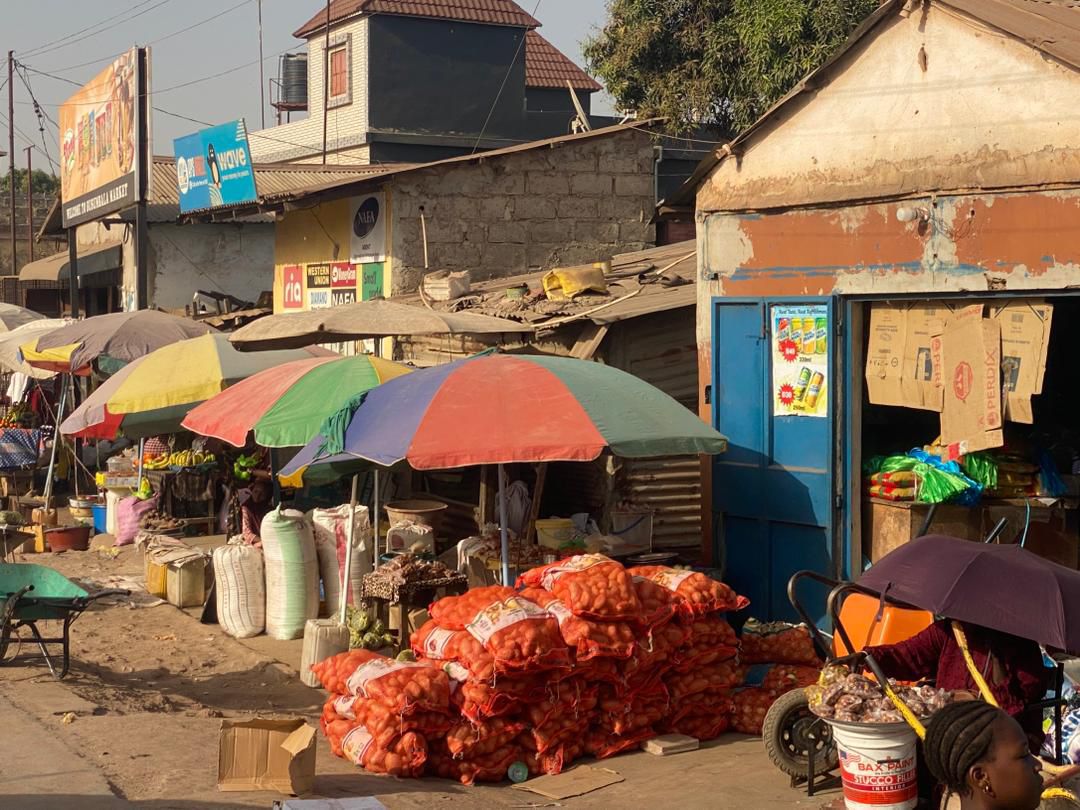
“We are also suffering,” explained Saikou Nyabally, a vendor at Serrekunda market. “If we buy at a high price, we must sell at a high price to cover our costs.”
Consumers remain skeptical, pointing to a recurring pattern: prices climb sharply every Ramadan due to heightened demand. “Every year when Ramadan comes, prices go up,” said Lamin Jobe, a regular marketgoer. “Is it transport every year? Or is it greed?”
Economic observers describe the issue as multifaceted. The Gambia’s heavy reliance on imported food leaves it exposed to external shocks—global commodity fluctuations, currency shifts, and seasonal demand spikes during religious periods.
“When a country depends heavily on imported food, it becomes vulnerable,” said Ebrima Sawaneh, an economics student at the University of The Gambia (UTG). “Any small change outside can cause big problems inside. This is what is disturbing The Gambia now.”
The Gambia Bureau of Statistics (GBOS) data underscores ongoing pressures: food inflation stood at 12.87% year-on-year in November 2024, with a long-term average of 8.22% since 2005 and a peak of 24.39% in September 2023. Recent reports indicate food inflation of around 6.67% in late 2025, yet Ramadan has amplified the strain.
Responsibility for safeguarding consumers falls to bodies like the Ministry of Trade, Industry, Regional Integration, and Employment, and the Gambia Competition and Consumer Protection Commission (GCCPC). These institutions are tasked with market monitoring and curbing unfair practices. While officials frequently affirm they are watching prices, many citizens question the effectiveness.
“If they are watching the markets, why are prices doubling in days or weeks?” asked Makuta Senghore, a frequent shopper.
In past statements, GCCPC officials have emphasized vigilance without imposing outright price caps. Last year, the Director of Competition vowed that no arbitrary price-fixing would be tolerated.
Ramadan embodies sacrifice, patience, and generosity. For many Gambian families this year, however, it begins with anxiety rather than peace. As the Maghrib call signals the end of the day’s fast, households gather to eat—but behind closed doors, silent fears linger about tomorrow’s market visit and the next meal.
The pressing question on many lips remains: Who will truly protect the ordinary Gambian consumer during this sacred month and beyond?