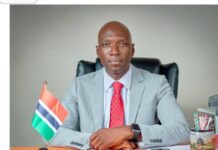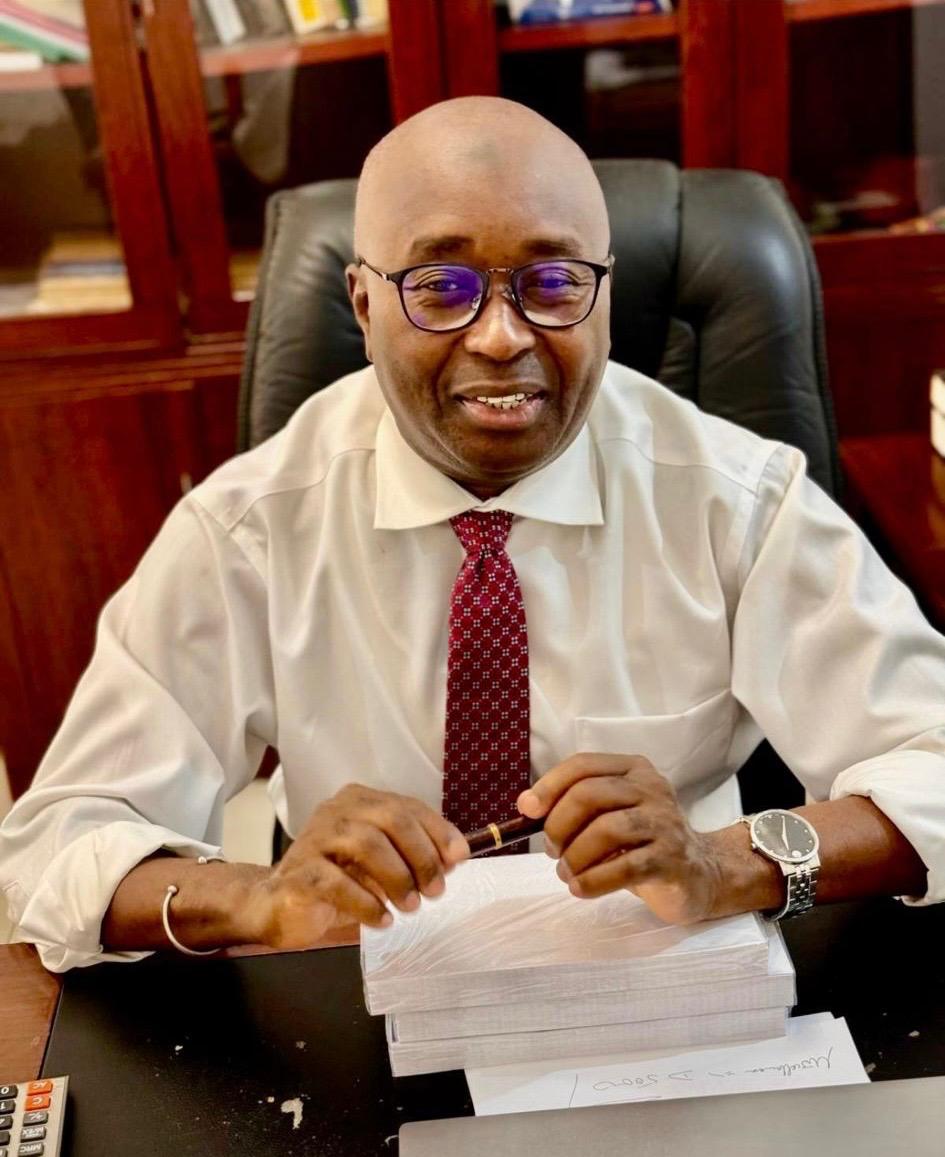
By: Musa Bassadi Jawara
A Time for Change. Now is the time to make the promises of democracy a reality. Given the current challenges facing The Gambia, it’s crucial that we take bold steps to reform our politics and economy. With my extensive background in international politics and crisis management, I have worked in various capacities in countries such as Kenya during the 2008 political crisis that brought President Kenyatta into office, Côte d’Ivoire in 2010, which brought Alassane Ouattara into power, and Libya during the 2011 uprising.
I’d also like to dispel the notion that I lack experience in Gambian politics. Notably, I was involved in the process that brought change in The Gambia in 2016. After working in Sierra Leone to help the country stabilize following a devastating civil war, I also found myself in a region plagued by rebellion, where I played a role in stabilizing the area. Later, I found myself in Senegal in 2012, where I witnessed the country’s presidential elections firsthand. Though I may not seek direct involvement in politics, I possess the knowledge, experience, and vision to excel. If I were to enter the fray, I’d be driven to triumph, leveraging my understanding of the landscape, grasp of political dynamics, and innate potential to conquer the region.
The Gambia needs a comprehensive approach that synchronizes systemic change, legal reforms, and security reforms to overhaul the existing system. By aligning these elements, the country can create a more stable and accountable governance structure. This integrated approach could be crucial in driving meaningful progress in The Gambia.
The influence of money in Gambian politics has led to questionable decisions, as seen in the 2018 incident where lawmakers received vehicle donations from an anonymous donor, which led to a shift in allegiance and ultimately resulted in the defeat of the draft constitution. The draft constitution was defeated after lawmakers who had been elected as UDP members switched allegiance, likely motivated by financial incentives, including vehicle donations. All in all, UDP had opportunities, and they need to acknowledge their own role in this situation. They can’t just point fingers at others.
Given this backdrop, financial influence will again play a significant role in the 2026 presidential elections, potentially swaying politicians across the spectrum. For corruption to be effectively addressed, the entire political establishment will likely need to be overhauled. This pattern of influence in the National Assembly dates back to 2018, underscoring a longer-standing issue that warrants consideration when addressing current challenges.
Given this background, I’d like to highlight some key issues and potential solutions for The Gambia. We must prioritize agriculture as the backbone of our economy, ensuring timely payment for farmers’ harvests and providing them with necessary tools and machinery. Stabilizing the currency is also essential to prevent further devaluation and promote economic stability. Furthermore, empowering the judiciary by providing better salaries and incentives for judges can help retain talent and ensure the judiciary functions effectively. Additionally, the entire justice system, including judges, lawyers, and support staff, should be empowered with sufficient remuneration to ensure they work effectively. The telecommunications sector is another vital area that needs urgent attention, and we must consider local ownership and control to retain more economic benefits within the country and prevent capital flight.
The current structure of the opposition may not be effective in removing the ruling party in the 2026 elections. Moreover, the electoral registration system used in 2021 will be retained without changes in 2026, potentially giving the incumbent party an advantage. The Independent Electoral Commission’s chairman has retired, and a replacement has not yet been found. This role must be filled by an impartial and competent individual to ensure the integrity of the electoral process. The future of our country is in our hands, and it’s time for us to take control and demand the change we deserve. By working together, standing up for our rights, and holding our leaders accountable, we can create a brighter future for ourselves and for future generations.
The opposition’s chance of winning this election is zero unless they form a strong coalition with other parties. Without a united front, their efforts will be a joke, and UDP’s prospects will be toast. They need to set aside their differences and work together if they hope to have any chance of success. Anything less, and they’re marching straight into a landslide defeat, with their political careers going up in flames.