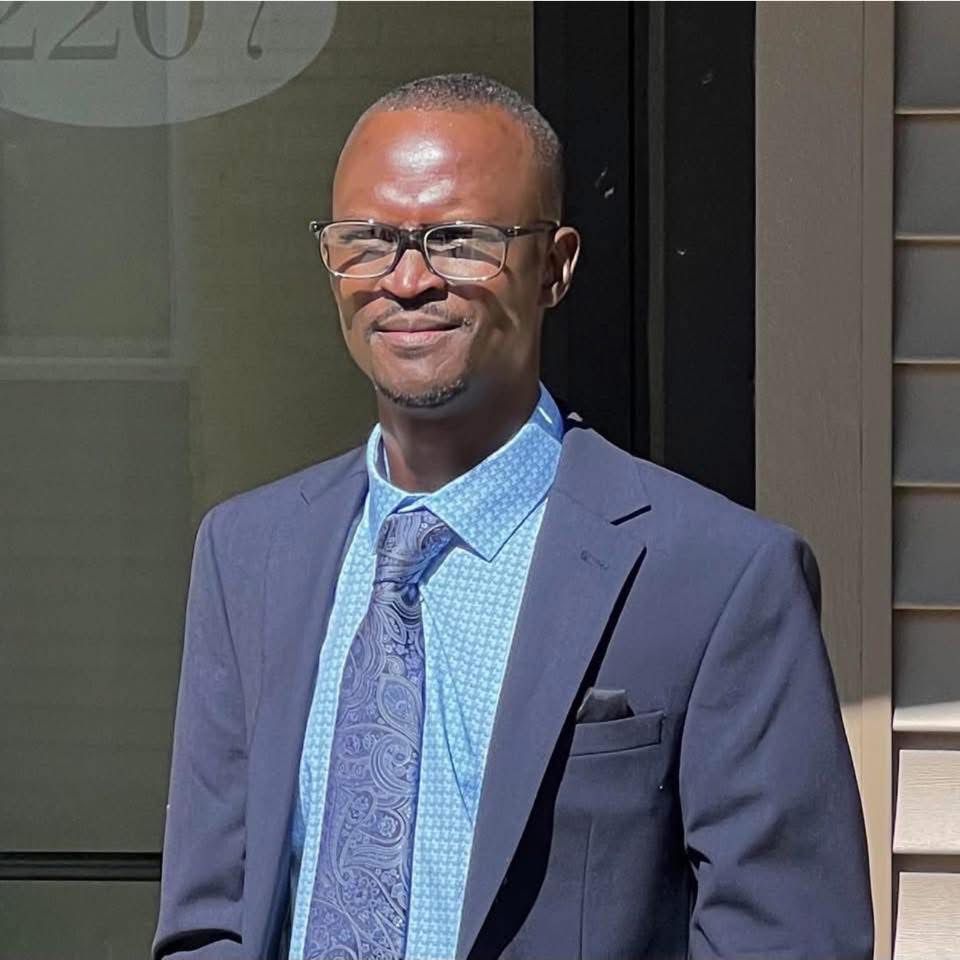
Dr. Lamin Keita, a prominent US-based Gambian political scientist, has weighed in on the latest Cepress (Centre for Policy, Research and Strategic Studies) pre-election survey released today, describing its findings as “impressive” in capturing current voter sentiments ahead of the December 2026 presidential elections, while emphasizing that polls alone cannot predict the final results amid concerns over electoral integrity.
The Cepress survey, conducted in collaboration with partners, provides a snapshot of Gambian public opinion on key political figures and scenarios. It highlights dissatisfaction with incumbent President Adama Barrow, with around 55-60% of respondents indicating he should not seek a third term, and similar proportions stating they would not vote for him if he ran. Veteran opposition leader Ousainou Darboe also faces significant opposition: 59% believe he should not contest, while only 18% support him. Emerging figures like Talib Bensouda appear to gain traction, with strong backing in hypothetical scenarios.
In his analysis shared today, Dr. Keita commended the survey’s methodology and scope. “The data presented by Cepress is impressive in its scope and methodology, reflecting considerable effort to assess the sentiments of Gambian citizens across diverse demographic groups,” he stated. He highlighted the poll’s representative sampling across urban and rural areas and various socioeconomic groups, and its focus on voter intentions rather than simple party popularity, which he said offers a “more nuanced picture” of potential trends.
However, Dr. Keita stressed the limitations of such surveys in The Gambia’s context. “Such surveys contribute meaningfully to our understanding of political dynamics, but it is essential to recognize that they are not deterministic factors that will inevitably dictate election outcomes, especially when variables such as electoral fairness and freedom are taken into account,” he noted. He pointed to historical examples, including renowned forecaster Nate Silver’s difficulties in predicting the 2016 and 2024 US presidential elections, to illustrate the unpredictability of political forecasting.
The political scientist argued that polling data may not fully translate into election-day results if challenges such as voter intimidation, media bias, or administrative irregularities persist. “In countries where electoral processes face challenges… polling data may not accurately reflect the votes cast on election day,” he explained. Dr. Keita reiterated that while the Cepress findings indicate prevailing inclinations under ideal conditions, they offer no guarantees if systemic issues compromise the process.
Looking forward, Dr. Keita underscored two critical elements for a credible outcome: robust coalition-building among opposition parties and unwavering transparency in the electoral system. “Two key factors are indispensable for winning and ensuring free and fair elections: coalition-building among opposition parties and promoting transparency in the electoral process,” he said.
Overall, Dr. Keita views the survey as a valuable tool for analysis and discussion among scholars, politicians, and citizens. “The recent survey constitutes an impressive effort to capture current political sentiments ahead of the 2026 presidential election,” he concluded. “It offers valuable insights into which parties might have an advantage given the current voter preferences. However, these perceptions must be contextualized within broader considerations about electoral fairness and democratic practices in the country.”
As The Gambia approaches its next presidential vote, Dr. Keita’s measured response reflects a broader call for vigilance. With public opinion fluid and undecided voters significant in recent polls, the race remains open, hinging not just on today’s numbers but on the integrity of the democratic process in the months ahead.