By Fatou Dahaba
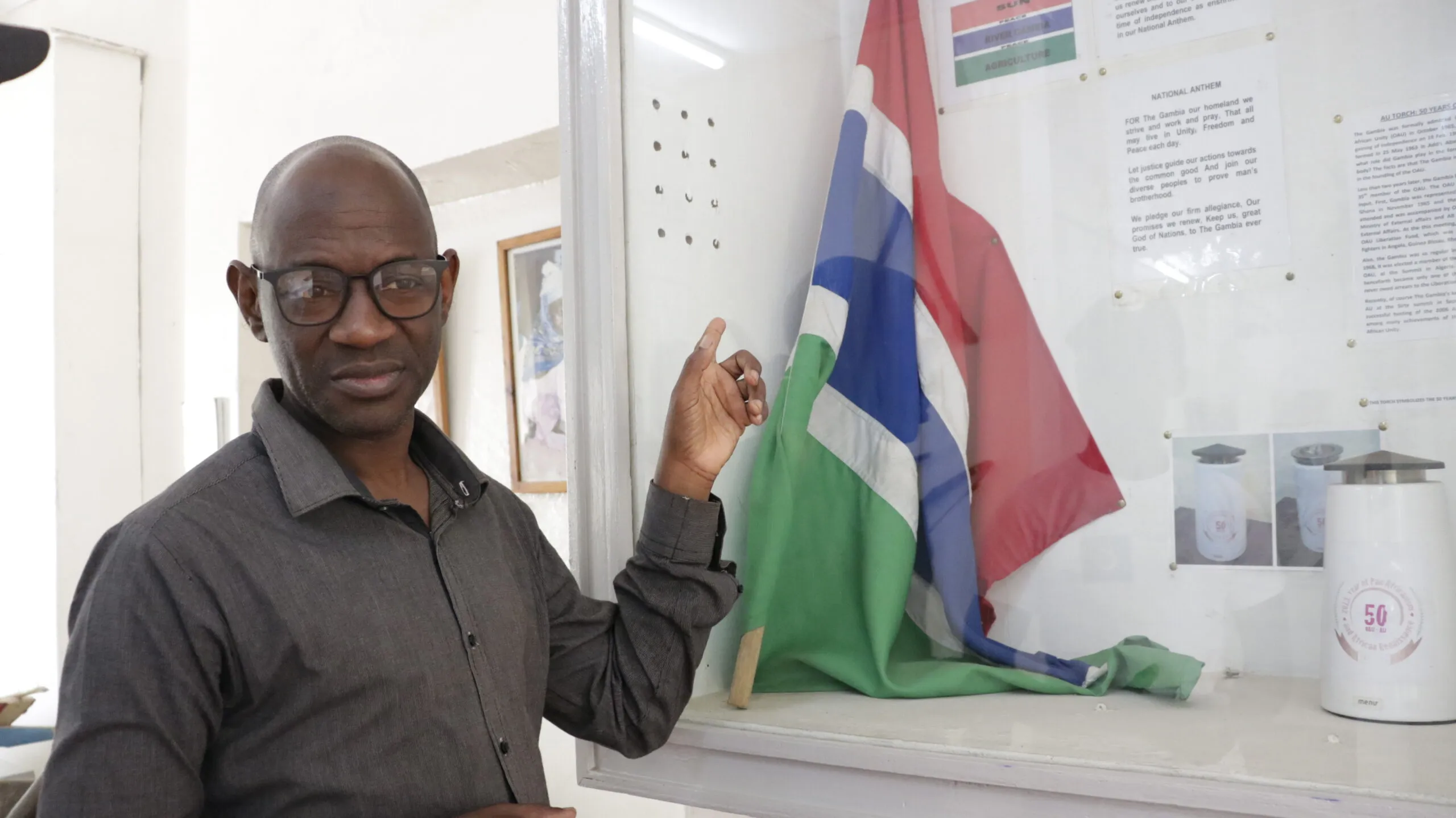
Veteran historian and cultural leader Hassoum Ceesay has described the Gambia’s Independence as a turning point that re-shaped the country’s economic, political, and social trajectory, empowering Gambians to take control of their destiny.
In an exclusive reflection with the Alkamba Times, Ceesay, the Director General of the National Centre for Arts and Culture (NCAC), likened independence to Gambians finally becoming “drivers of our own vehicle.” On February 18, 1965, the small West African nation shed colonial subjugation and embarked on a path of self-determination, a freedom long denied under British rule.
“Independence availed us of the chance to make decisions in the best interest of our people,” Ceesay said. “Before that, we were merely subjects; after, we became citizens steering our own course.”
The early days of nationhood were daunting. Ceesay described The Gambia as an “improbable nation” at independence, hampered by scarce resources, a handful of university graduates, limited media outlets, and rudimentary infrastructure. In the early years, the young republic even relied on British financial support to meet the basic salaries of civil servants. Yet, from these humble beginnings, remarkable strides have emerged over six decades.
Today, the country boasts consistent salary payments for public workers, the establishment of universities, the rise of television broadcasting, extensive road networks, and vibrant democratic processes. Gambians now exercise their franchise every five years, choosing leaders from diverse candidates in regular, peaceful elections—a testament to strengthened civic participation.
Ceesay acknowledged persistent challenges, many of which are rooted in colonial legacies. He described the continued dominance of English in education as a form of “tyranny,” which marginalizes national languages and hinders widespread literacy in local dialects. Environmental scars from colonial-era resource extraction—such as deforestation and depletion—also linger, demanding ongoing attention.
Despite these hurdles, progress in cultural expression, healthcare, and community life stands out. Ceesay pointed to the eradication of diseases like smallpox and measles, alongside efforts to expand rural hospitals. He urged further investment in health infrastructure to reach underserved communities.
National unity emerged as a central theme in Ceesay’s assessment. Pre-independence disparities sharply divided urban hubs like Banjul and Bakau, which enjoyed basic services, from rural areas lacking essentials. Post-1965 initiatives fostered a shared sense of “one Gambia,” spurring nationwide development of schools, clinics, roads, and electrification programs. These efforts, Ceesay noted, have promoted inclusion and belonging across regions.
The media played a pivotal role in the independence struggle, mobilizing public sentiment and sustaining advocacy. Ceesay praised The Gambia’s enduring tradition of media pluralism, where both state-affiliated and independent outlets coexist. Even during the challenging Second Republic period, when journalists faced threats, the press demonstrated resilience. He expressed optimism about the present, calling The Gambia’s media landscape one of the freest in Africa.
Addressing younger generations who sometimes question the value of independence celebrations—“What is there to celebrate?”—Ceesay emphasized its foundational importance. Independence restored citizenship rights, including the vote, transforming colonial subjects into empowered citizens.
Women’s contributions received special recognition. Ceesay highlighted their grassroots mobilization during the nationalist era, citing pioneers such as Hannah Foster and Lucretia Saint-Pierre-Jules, whose efforts opened the door to greater female political involvement.
Reflecting on leadership, Ceesay credited The Gambia’s three presidents with meaningful contributions tailored to their eras. Sir Dawda Kairaba Jawara, the founding president, laid institutional foundations by creating entities such as the Gambia Commercial Bank and Gambia Ports Authority while tackling infrastructure gaps—Yahya Jammeh prioritized expansions in education and healthcare. Current President Adama Barrow has advanced major projects, including the transformative Senegambia Bridge and rural electrification drives.
“Each leader faced unique historical contexts, but all made contributions deserving recognition,” Ceesay stated. “Their focus on national interests helped sustain peaceful governance.”
Broader social advancements underscore a shift toward a more citizen-oriented society. The establishment of the Department of Social Welfare, protective legislation for vulnerable groups, growth in sports, and the upholding of religious freedom illustrate deepening commitments to equity and inclusion.
Ceesay stressed that development is not a destination but an ongoing journey requiring collective dedication. While gaps remain, he encouraged Gambians to celebrate hard-won achievements—from political sovereignty to tangible infrastructure gains.