Gambian judicial figures, fresh from inaugurating the nation’s Special Criminal Division, spearheaded efforts this week to build a regional mechanism to combat genocide, crimes against humanity, and war crimes, as West African counterparts wrapped a landmark conference in Dakar, in Senegal.
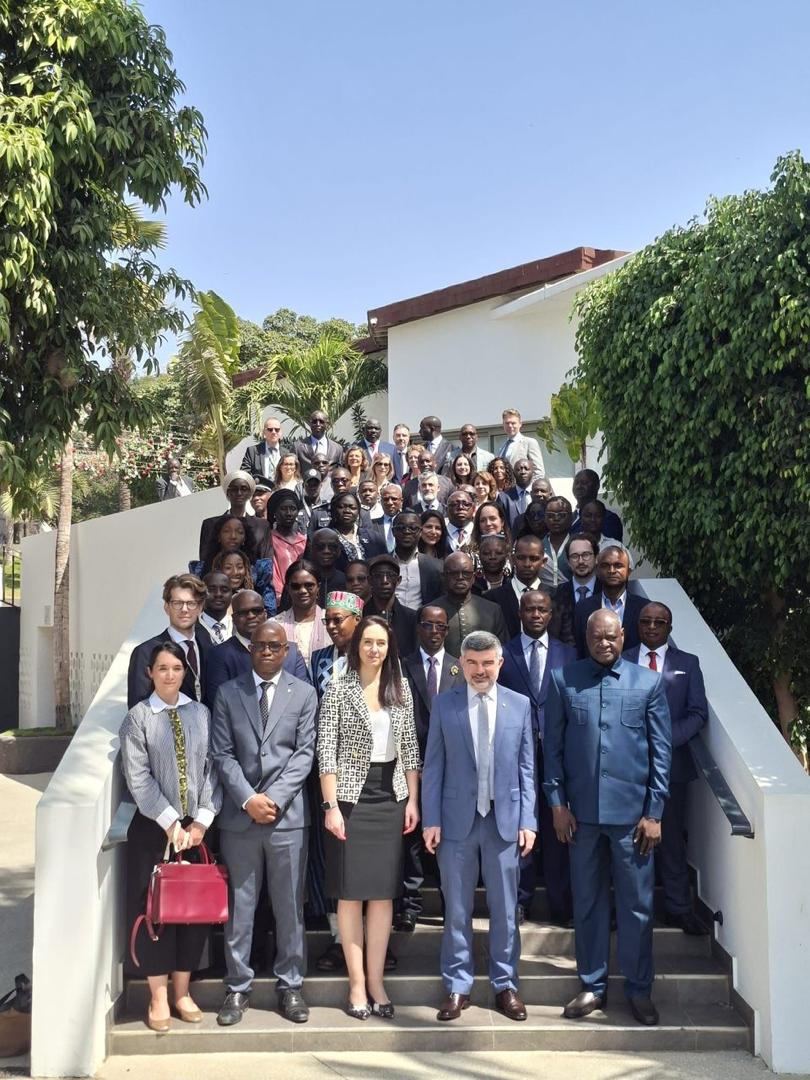
The three-day high-level meeting, February 3–5, 2026, organized under the emerging Regional Network for the Investigation and Prosecution of Genocide, Crimes against Humanity and War Crimes in Western Africa and funded by the European Union Agency for Criminal Justice Cooperation (Eurojust), united judges, prosecutors, and stakeholders to forge technical cooperation against transnational international crimes.
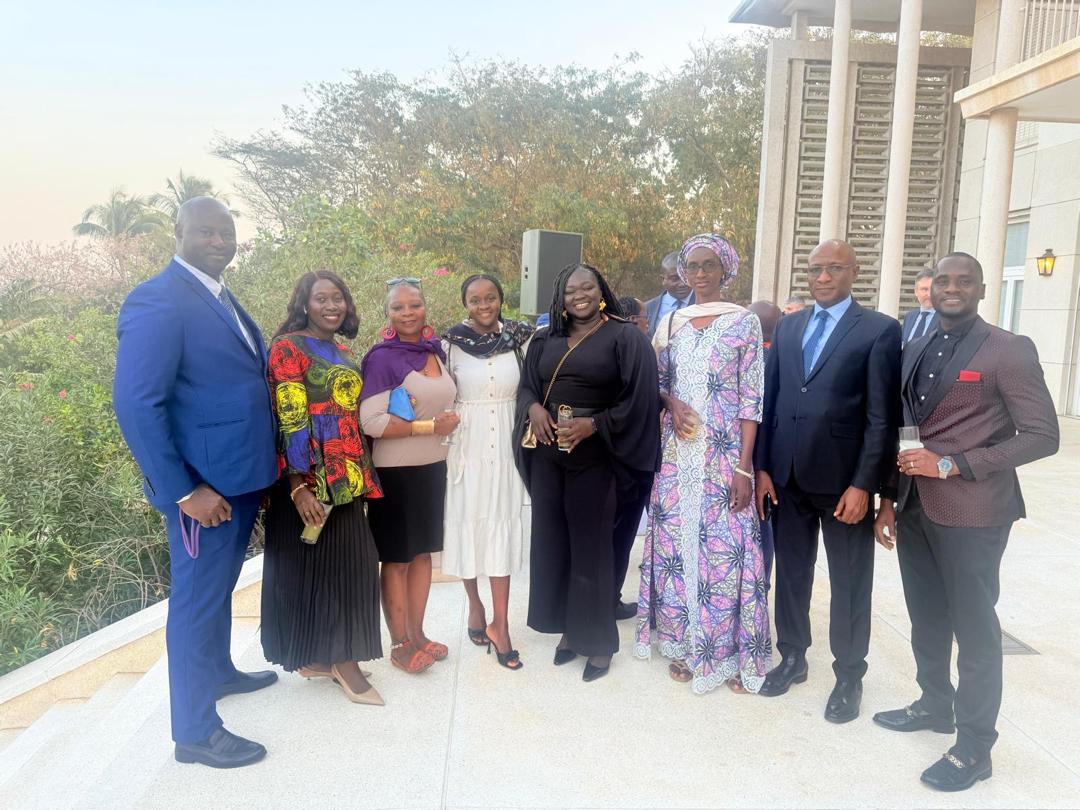
The Gambian delegation, nominated by Hon. Chief Justice Hassan B. Jallow, was headed by Hon. Justice Ebrima Jaiteh of the newly operational Special Criminal Division of the High Court, with Hon. Justice Sidi K. Jobarteh also from the division, the Deputy Judicial Secretary (Legal), Director of Public Prosecutions Mr. Yusuf, Principal State Counsel Mariama Singhateh, Gambia Bar Association President Ms. Neneh M.C. Cham, Reparations Commission Commissioner Ms. Isatou Jammeh, and Ms. Prescilla Ceesay and Ebrima Jallow.
Their involvement carried special weight, coming just days after Chief Justice Jallow inaugurated the Special Criminal Division at Mile 7, Bakau, on January 27, 2026, during the 2026 Legal Year opening. This specialized court aims to expedite trials of serious and complex cases, including those stemming from the Truth, Reconciliation and Reparations Commission (TRRC) recommendations on atrocities under former President Yahya Jammeh’s 1994–2017 regime—such as extrajudicial killings, torture, enforced disappearances, and sexual violence.
The TRRC documented widespread violations, prompting the government’s acceptance via the White Paper, the establishment of the Special Prosecutor’s Office, and the pursuit of accountability through domestic and potential hybrid mechanisms, such as the ECOWAS-backed Special Tribunal. The Special Criminal Division complements these by efficiently handling domestic offenses, addressing resource and space constraints, and advancing transitional justice.
Matjaž Pezdirc, Head of the European Genocide Prosecution Network Secretariat, opened proceedings by highlighting the prosecutorial challenges posed by cross-border crimes—evidentiary issues and capacity gaps—and the success of Europe’s 2002 network of national focal points for confidential cooperation and information exchange.
The conference structure included a closed preparatory session on February 3, led by Pezdirc and representatives of the National Authorities Against Impunity, Iva Babic, Joern Eiermann, and Cristina Bucur; an open plenary on February 4 with civil society; and a closed technical meeting on February 5.
Facilitators stressed a practical, state-owned, non-political network that prioritizes legal-technical collaboration—sharing expertise, best practices, and assistance—without joint investigations or prosecutions, while respecting national procedural variances in line with shared international criminal law principles.
Plenary talks addressed sustainability, resource mobilization, capacity-building for smaller states, diverse legal systems, secretariat needs, the balance between accountability and prevention, and framework documents.
Participants endorsed a flexible rollout: each country nominates at least 2 focal points; a formal network statement is finalized soon; funding is secured for 2–3 years; an online meeting by May/June 2026; training in late 2026; year-end consultations; a February 2027 in-person meeting for guideline adoption; resource strategies explored.
For The Gambia, the Dakar milestone aligns domestic progress—TRRC legacy, Special Criminal Division launch—with regional solidarity, enhancing capacity to prosecute serious crimes, deter future violations, support victim reconciliation, and promote peace. Delegates affirmed accountability as both a legal duty and a prevention tool in West Africa.