By: Fatou Dahaba
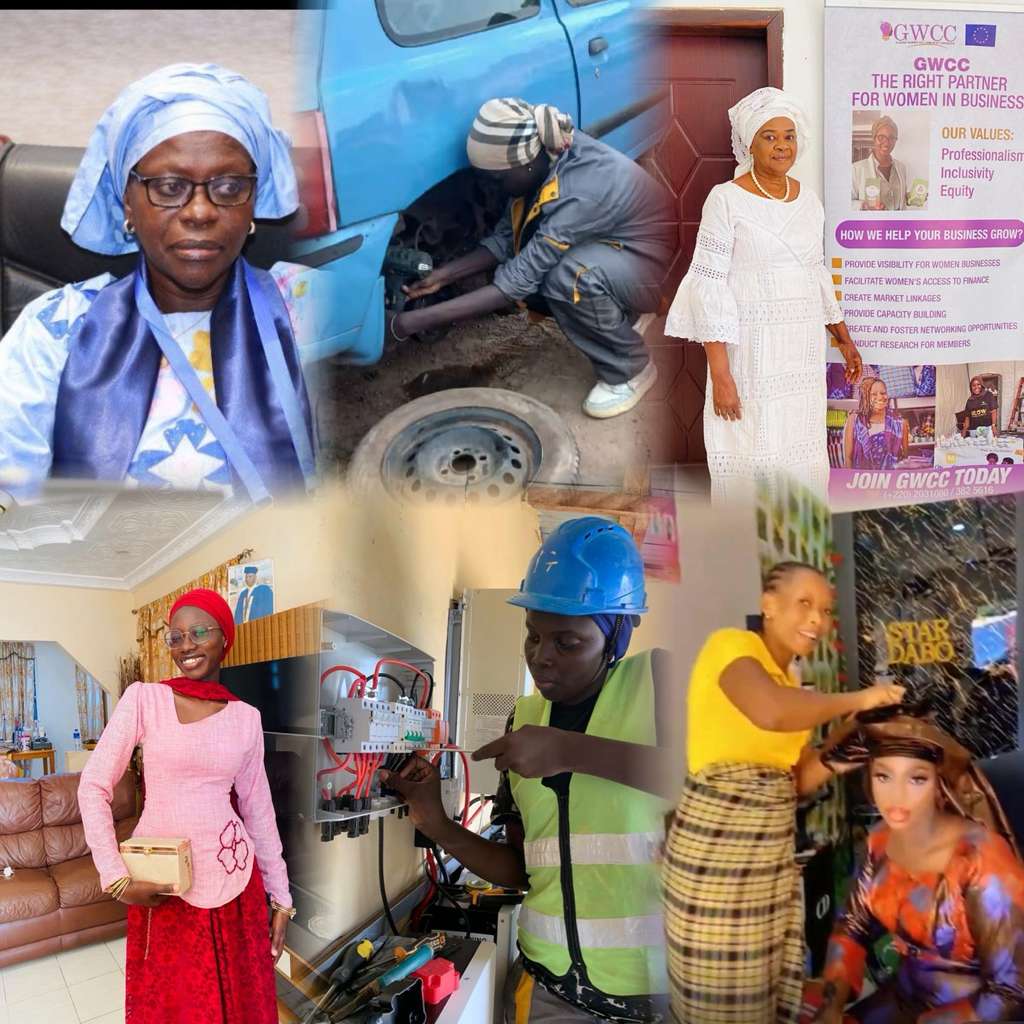
March has long been recognized globally as the month of women and girls, with March 8 designated by the United Nations as International Women’s Day—a moment to honor achievements, reflect on progress, and renew the call for gender equality. In The Gambia, this year’s observance arrives amid remarkable strides in women’s visibility and participation across sectors, yet persistent structural challenges—most notably limited access to finance—continue to hinder full economic empowerment.
In this special edition, The Alkamba Times celebrates the resilience, innovation, and leadership of Gambian women who are breaking stereotypes, redefining possibilities, and contributing meaningfully to national development. From beauticians and horticulturists to auto mechanics, solar technicians, fashion entrepreneurs, and business chamber leaders, these women shared their journeys, triumphs, and urgent calls for systemic change.
Sarjo Darboe, a skilled beautician, describes International Women’s Day as a time of deep reflection, pride, and hope. For her, the day underscores the transformative power of vocational skills. After her first marriage ended, Darboe’s training in beauty allowed her to become financially independent and provide for her children. “Skills gave me the ability to stand on my own,” she says. She notes a generational shift: unlike previous eras, more Gambian women today are excelling in fields once considered male domains. “We are breaking barriers and challenging stereotypes,” Darboe affirms, urging continued investment in skill-building for women.
Bintangding Suso, a successful horticulturist, encourages more women to enter agriculture—a sector she views as lucrative and full of opportunity. “Women can make a better living from agriculture just like men,” she insists. On International Women’s Day, Suso sends best wishes and a bold message: “Do not let anyone define your life for you. Keep breaking barriers.”
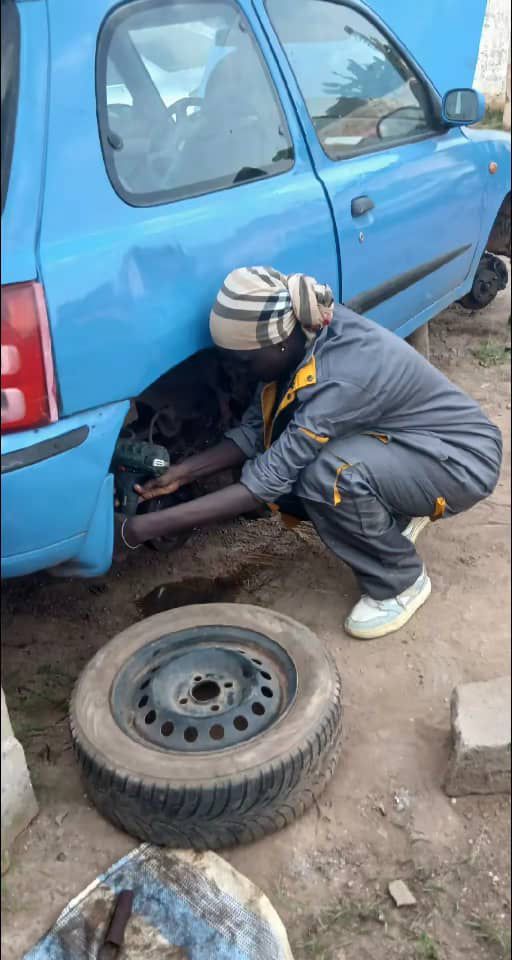
Fatoumatta Jammeh, an auto mechanic and CEO of Female Automotive Service Provider, has navigated one of the most male-dominated trades in The Gambia. Despite customer skepticism and being overlooked by male colleagues, she remains undeterred. With only about 1% of mechanics being female, Jammeh is building a female-owned garage to inspire others. “Self-belief and perseverance are key,” she says. Her recent STEM award has already prompted parents to encourage their daughters to pursue technical careers. “We need to embrace our roles in mechanics and champion gender representation,” Jammeh declares.
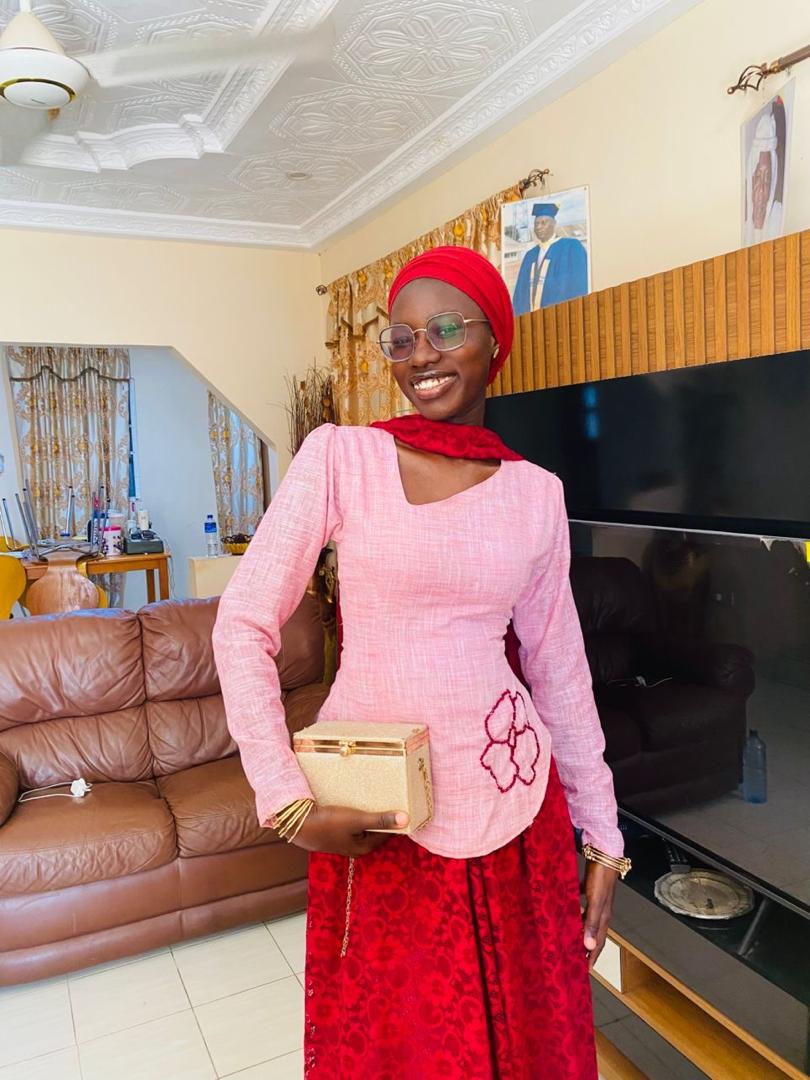
Yassin Njie, entrepreneur behind the unique clothing brand YASS, calls for stronger support for women in business. She stresses the need for better access to funding, business development training, and digitalization. “Understanding digital tools is essential to thrive in today’s market,” Njie explains. Her advice to female artisans is clear: “Believe in your talents and keep improving your crafts.” By pursuing passions, she says, women not only empower themselves but create opportunities for others. “It’s about developing yourself and the women around you,” she adds.
Mariama Sarge, Solar Technician and Founder/Managing Director of MESE Energy Solutions in Ebo Town, drew inspiration from her community’s energy struggles. “I saw how limited access to reliable power affects businesses, education, and households,” she recalls. Facing gender bias in a male-dominated field, Sarge earned certifications and practical experience, eventually registering a Utility Model for a solar multifunctional cart—making her a pioneer in Gambian renewable energy.
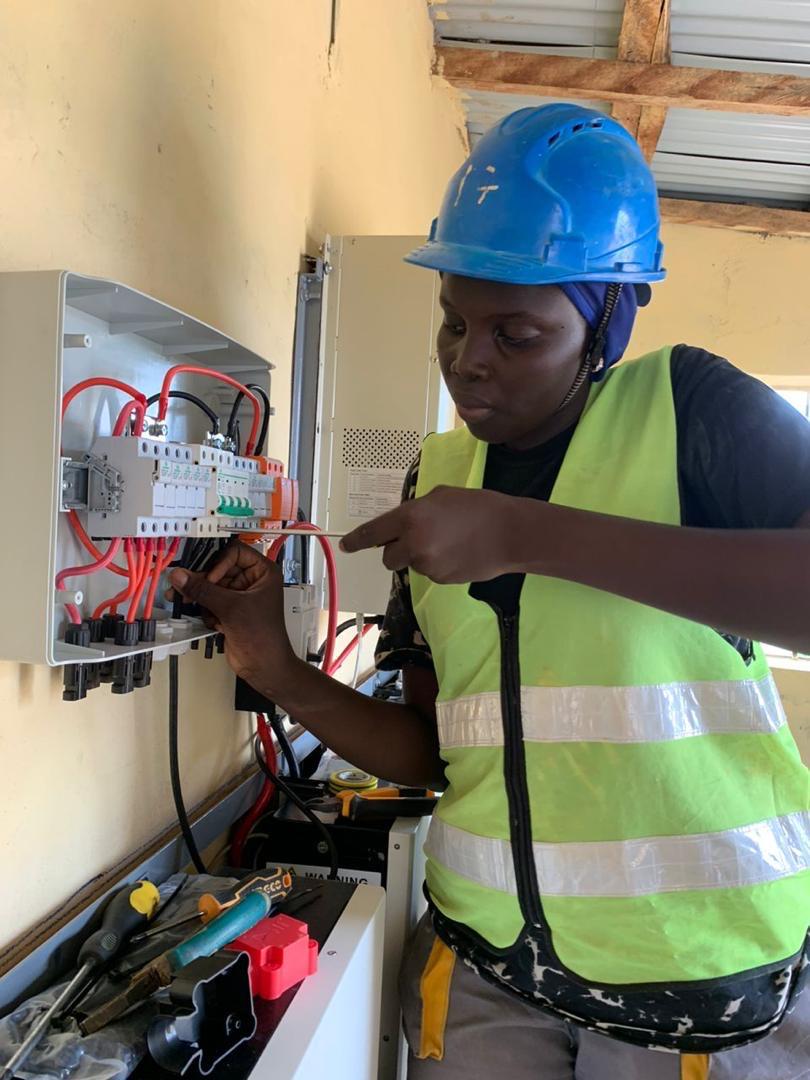
She believes women bring unique perspectives to technology and sustainability. “Female representation fosters innovation that is more inclusive and practical,” Sarge says. Her advice to young women: “Believe in yourself, invest in education, seek mentorship, and enter male-dominated spaces with confidence.” On International Women’s Day, she asserts: “Women do not belong only in supportive roles—we belong in leadership, innovation, engineering, and ownership. The future of renewable energy is inclusive, and women must be part of building it.”
Beatrice Mboge, Chief Executive Officer of the Gambia Women Chamber of Commerce (GWCC), highlights access to finance as the single greatest barrier facing female entrepreneurs. Many start with minimal resources and struggle to scale. While some microfinance institutions offer flexible collateral for loans up to D200,000, larger amounts (D500,000+) often require landed property—something many women do not own. Market access is another hurdle in The Gambia’s small economy, where competition is high in agribusiness and fashion.
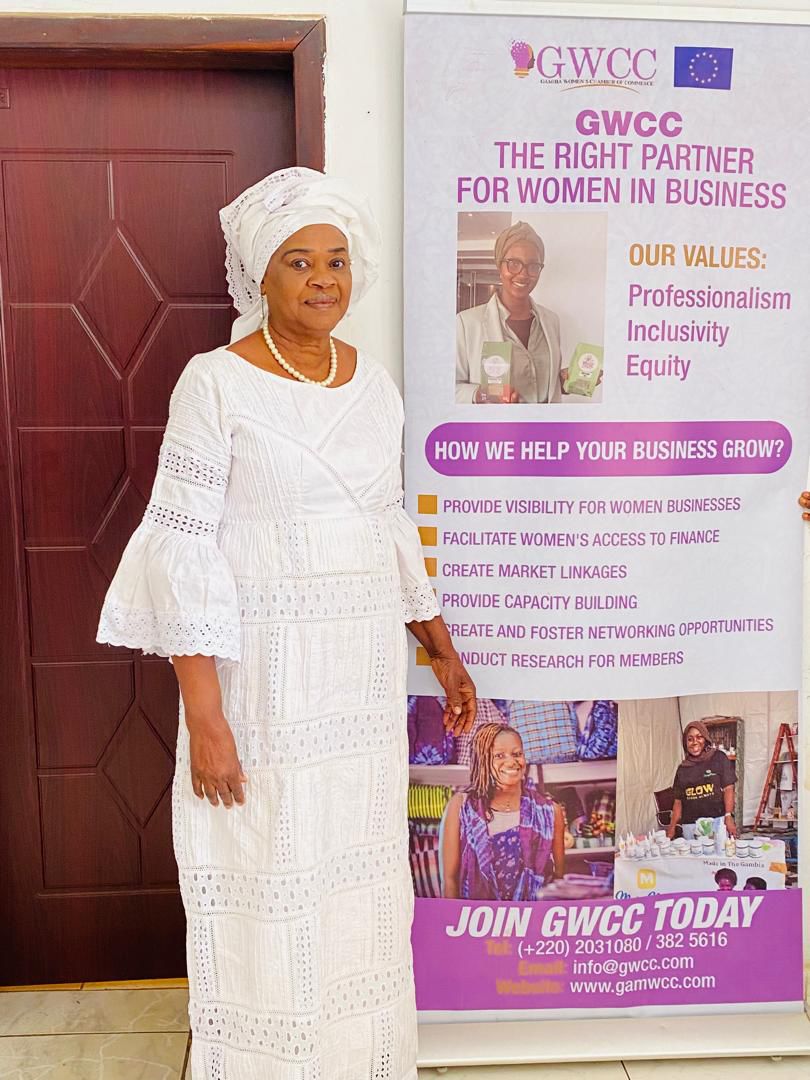
To address this, GWCC partners with Reliance Financial Services on a D50 million revolving loan facility for members, extending support beyond urban areas into regions such as North Bank. Mboge emphasizes the diversity of women in the Chamber—from grassroots entrepreneurs to university graduates—and this year’s focus on building leadership capacity. “We are working to change the status quo through education and training, including for those without formal schooling,” she says.
The government’s recent disbursement of D80 million to 800 women’s groups through the Women Enterprise Fund is commended. Yet, activists and organizations note that policies on finance and grants still fall short for average Gambian women. Small businesses often fail to qualify for loans due to limited starting capital, making expansion difficult.
Tabou Njie Sarr, an advocate for women’s rights, says that International Women’s Day is a reflection of challenges, achievements, and a call to action. She highlights the significant impact of grassroots activism on laws and policies that benefit women, emphasizing that grassroots organizations are crucial in voicing the needs and experiences of women and girls, and in influencing lawmakers to consider these perspectives in their decision-making.
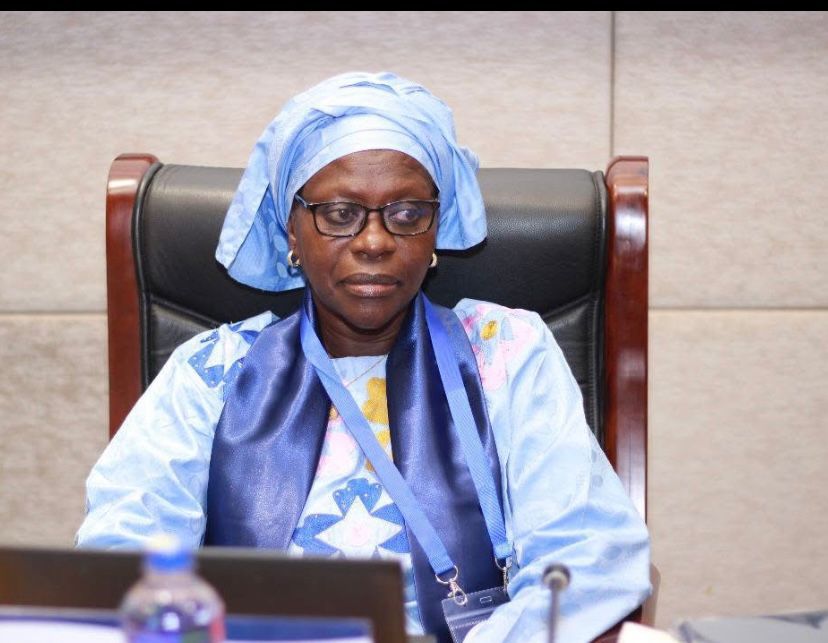
“For instance, when attempts were made to repeal the Female Genital Mutilation (FGM) Act, grassroots civil society organizations rallied to advocate for the law’s preservation, ultimately strengthening its penalties.”
Sarr emphasizes the critical challenge of implementing laws designed to protect women, particularly by law enforcement. She advocates for more education for these personnel on how to handle complaints related to violence against women and for strengthening referral mechanisms for victims. Sarr stresses the need for hospitals to have specialized units for such cases and calls for increased funding in health budgets to address the consequences of violence against women. She highlights the importance of equipping and educating grassroots organizations in their fight against violence.
As The Alkamba Times reflects on International Women’s Day 2026, the message from these remarkable Gambian women is clear: progress has been made, but true equality requires sustained action. Greater access to finance, markets, skills training, digital tools, and leadership opportunities must become national priorities. Collaboration between the government, the private sector, civil society, and women-led organizations is essential to create a roadmap for advocacy and economic inclusion.
Gambian women—from beauticians to solar pioneers—are not just participants in development; they are its drivers. Their resilience, innovation, and determination continue to redefine what is possible. On this day and every day, *The Alkamba Times* honors their strength, celebrates their achievements, and stands with them in the fight for a Gambia where every woman and girl can thrive, lead, and shape the future.
Happy International Women’s Day to the extraordinary women of The Gambia—your stories inspire the nation, and your work builds a more equitable tomorrow.