By Ebrima Mbaye
As the crescent moon ushers in Ramadan, Muslims in The Gambia and across the globe brace for a month of fasting, spiritual reflection, and communal bonding. Yet, beneath the surface of this sacred anticipation lies a growing unease. This year, the joy of preparation is dimmed by a harsh reality: the relentless rise in prices of essential commodities, leaving families to wonder how they’ll stretch their budgets through the holy month.
Market Tensions Amid Soaring Costs
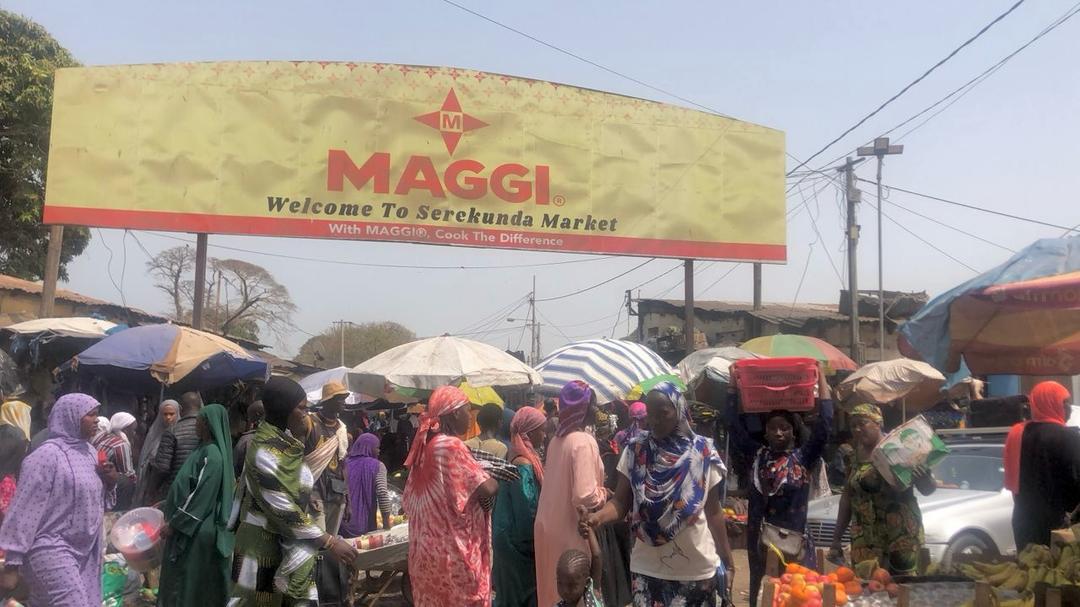
In Serekunda Market, the usual pre-Ramadan buzz has given way to a palpable strain. Vendors voice their frustrations, shoppers haggle with greater urgency, and families confront the sobering math of survival.
“Last year, a 50kg bag of rice cost about D1,600. Today, it’s pushing D2,300,” says Alpha Jallow, a rice trader, watching as customers pause, reconsider, and often walk away empty-handed. “People ask the price, then either buy less or leave altogether.”
Rice, a cornerstone of Gambian cuisine, isn’t alone in its climb. A 5-liter bottle of cooking oil, once priced at D750, now ranges from D1,100 to D1,300. Sugar—vital for the morning porridge and evening tea that sustain fasting families—has surged from D1,500 to over D2,000 per bag. For many, these increases aren’t just numbers; they’re a daily burden.
Amie Bah, a frequent marketgoer, feels the pinch acutely. “Even with D400, I can’t cover lunch and dinner. Thinking about my salary, it’s depressing—there’s nothing left to save.”
At Brikama Market, vendor Samba Bah echoes her dismay. “The Gambia is getting harder every minute. Selling is tough because people can’t buy like before. Taxes are high, and that’s why prices keep rising.”
The Roots of the Crisis
This price spiral isn’t random. Experts attribute it to a perfect storm of economic pressures: a weakening Gambian dalasi, global supply chain woes, spiking fuel costs, and hefty government taxes. Together, these forces squeeze businesses and consumers alike.
The Gambia Bureau of Statistics (GBOS) reported a 12.87% rise in food costs in November 2024 compared to the previous year. Food inflation has averaged 8.22% since 2005, peaking at 24.39% in September 2023.
The dalasi’s depreciation against the U.S. dollar and CFA franc hits hard in a nation reliant on imports. As the currency falters, importing essentials grows costlier, and vendors pass those costs to shoppers. High import taxes and port fees only deepen the problem.
“Most goods are imported, and the prices from importers are steep,” explains Basirou Secka, a Serekunda trader. “We raise prices to survive, but buyers complain—and they’re right. Today, it’s fifty dalasis; tomorrow, seventy-five. There’s no control.” He adds, “If the government cut taxes on essentials, it’d help a lot.”
Ramadan’s Amplified Strain
The lead-up to Ramadan traditionally sparks a surge in demand, intensifying price hikes. Dates, a customary fast-breaking food, exemplify this: a small pack that once cost D50 now nears D100.
“People stock up on Ramadan essentials, and with high demand, prices climb,” says Abdoulie Jobe, a Latrikunda shop owner. “It happens yearly, but this time, it’s far worse.”
A Community’s Resilience
Despite the hardship, Ramadan’s spirit endures. Families share what little they have, and communities rally to support each other. Yet, with no relief in sight, this Ramadan will test more than faith—it will demand resilience.
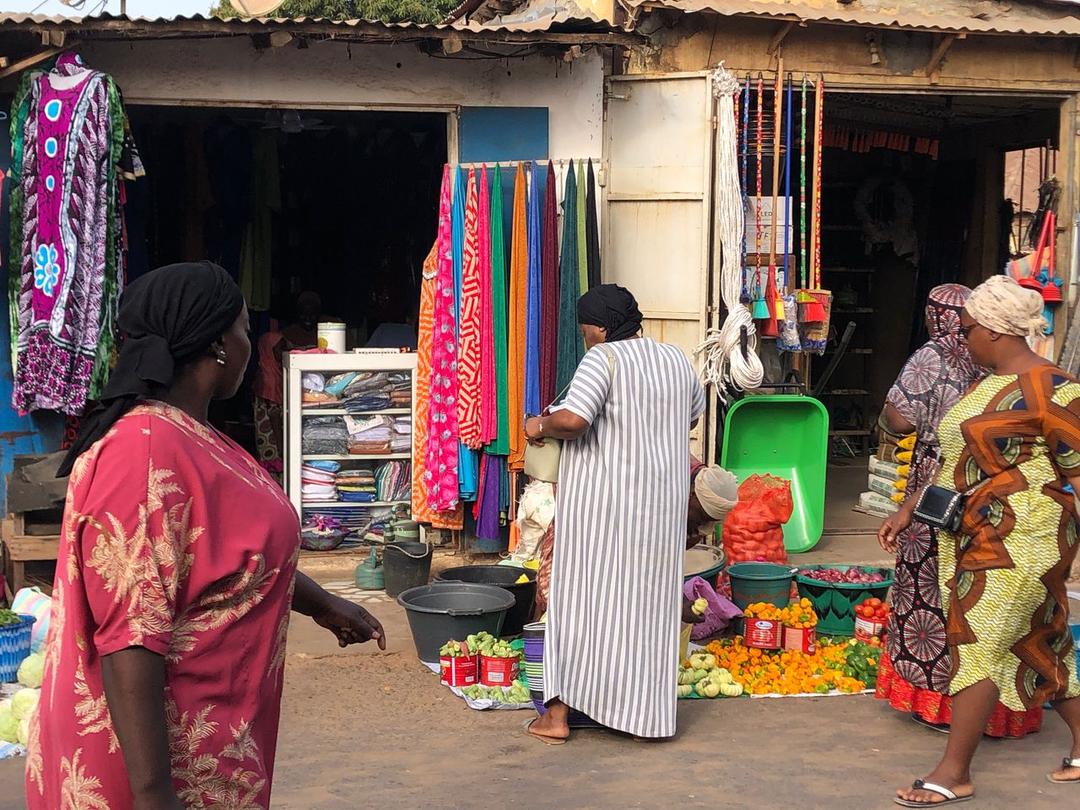
The Gambia Competition and Consumer Protection Commission (GCCPC) is stepping in with bi-weekly market surveillance to track price trends and availability. Director of Competition at GCCPC Babucarr Ceesay highlights key culprits: exchange rate swings, supply chain snags, and high demand for staples like oil and sugar. He urges consumers to plan purchases early and report unfair practices.

“We won’t let businesses fix prices arbitrarily,” Ceesay vows, though he notes the government won’t cap prices outright.
A Hopeful Horizon?
As Ramadan unfolds, Gambians cling to the hope of relief—be it through lower taxes, a stronger dalasi, or simply the enduring power of the community. For now, they face a holy month when mercy and compassion must shine brighter than ever against the shadow of economic strain.