By Aja Beyai
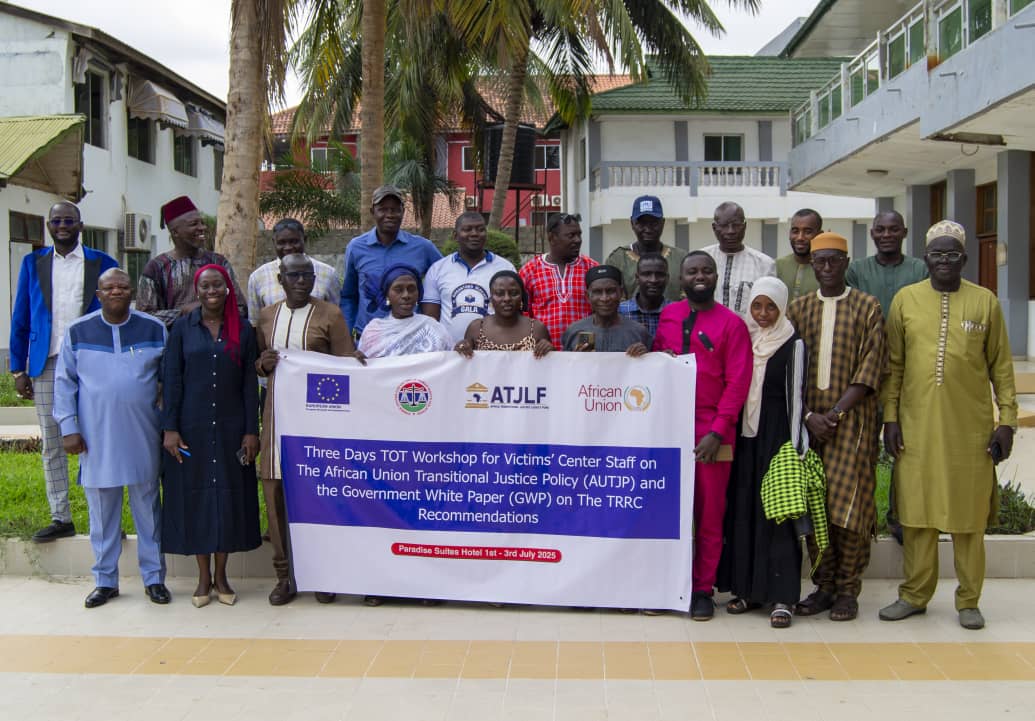
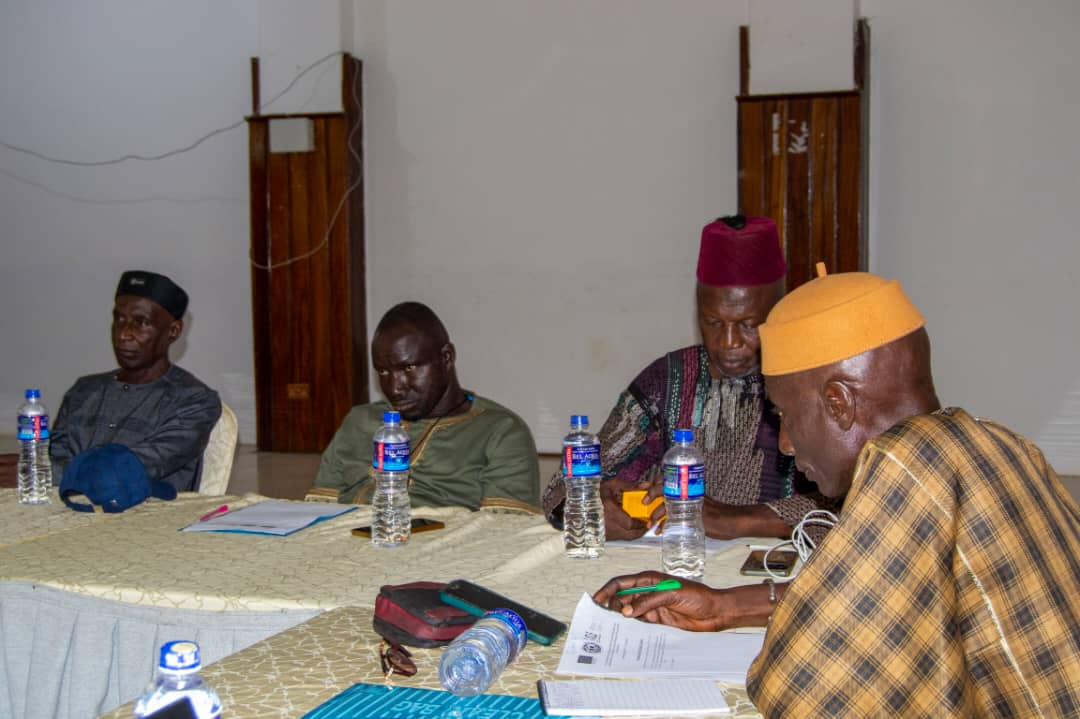
The Gambia Centre for Victims of Human Rights Violations kicked off a three-day Training of Trainers workshop today at Paradise Suites Hotel. The workshop aims to equip its staff with the knowledge and skills to promote transitional justice. Running from July 1 to July 3, the €50,000 initiative, funded by the African Union (AU) and the European Union through the Africa Transitional Justice Legacy Fund in Ghana, focuses on the African Union Transitional Justice (AUTJ) Policy and the Gambian Government’s White Paper.
The workshop aims to equip the Centre’s staff with the skills to effectively communicate and advocate for transitional justice policies, a crucial step in addressing past human rights violations in The Gambia.
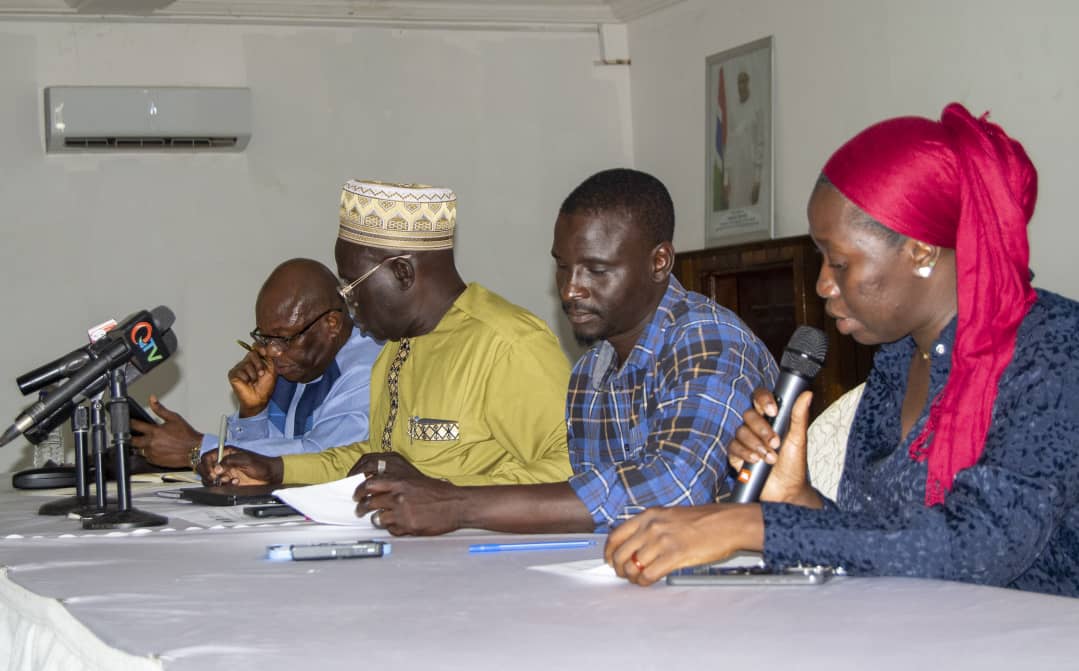
National Coordinator Keba John emphasized the project’s importance, stating that it will enable staff to confidently engage with the AUTJ framework and support victims and survivors. “This training is pivotal in building our capacity to promote justice and accountability,” he said.
Sainey Senghor, representing the Centre’s Board of Directors, emphasized the workshop’s role in strengthening staff expertise and ensuring the successful implementation of the project. He expressed gratitude to the AU and EU for their financial support and urged participants to maximize the opportunity to enhance their advocacy efforts.
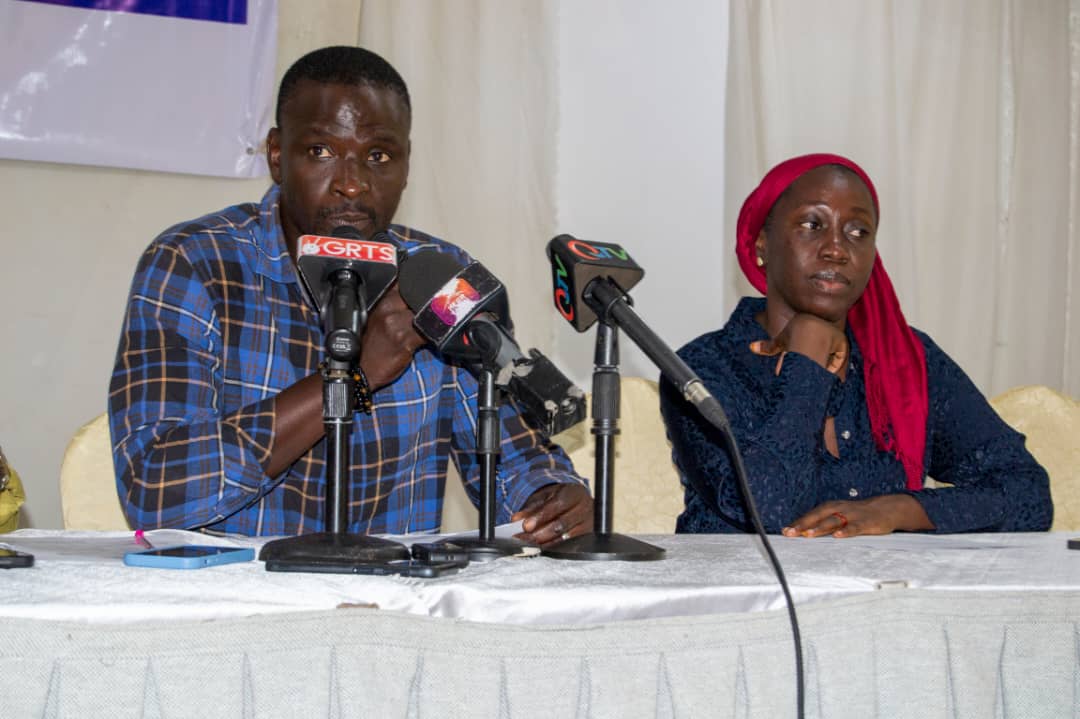
The training also garnered praise from Claude Kondo, ECOWAS Representative, who commended the Victims’ Centre for its work in popularizing the AUTJ Policy and the Government White Paper. Kondo reaffirmed ECOWAS’s commitment to supporting The Gambia’s transitional justice goals, highlighting the regional body’s dedication to fostering development and accountability in the country.
This initiative is part of a broader effort to promote truth, justice, and healing for victims of human rights abuses in The Gambia, particularly in the wake of past atrocities. By equipping staff with the tools to advocate for transitional justice, the Centre aims to amplify the voices of survivors and ensure that policies are effectively implemented to address historical injustices.
The three-day workshop marks a significant step toward building a more just and accountable society in The Gambia. As the Centre continues its mission, this training underscores its commitment to empowering staff and fostering a culture of transparency and healing for all Gambians affected by human rights violations.