By: Alieu Ceesay
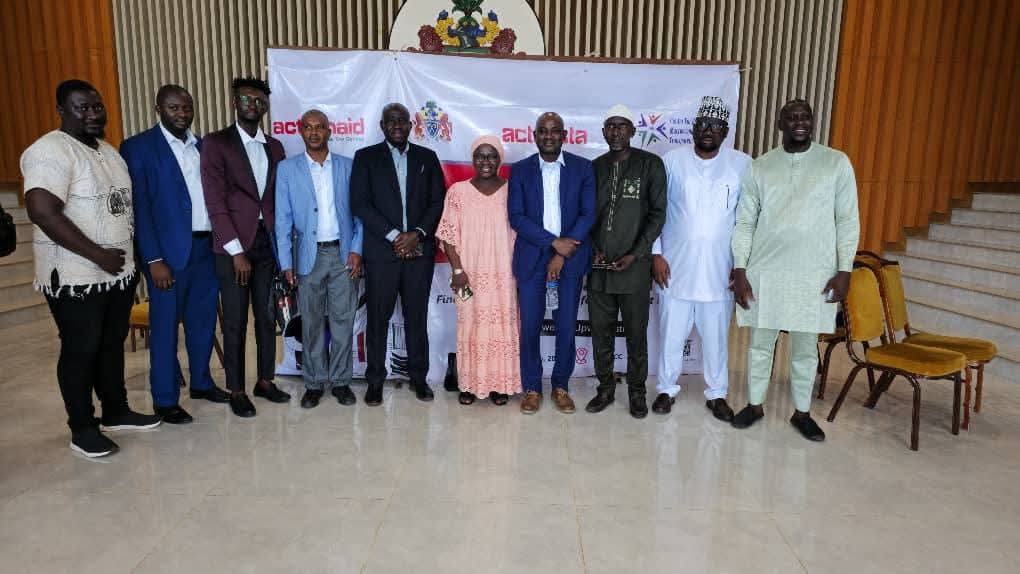
ActionAid International The Gambia, in collaboration with Activista The Gambia and the Centre for Budget and Macroeconomy Transparency, hosted a national dialogue at the Sir Dawda Kairaba Jawara Conference Center in Bijilo. The one-day event, focused on financing for development, brought together stakeholders to address the urgent need for sustainable and inclusive financial solutions to drive equitable growth in The Gambia.
The dialogue takes place at a critical juncture as The Gambia confronts global challenges, including the lingering effects of the COVID-19 pandemic, intensifying climate impacts, mounting debt burdens, and unequal access to international financing. These issues have compounded the difficulties faced by developing nations, threatening progress toward sustainable development goals.
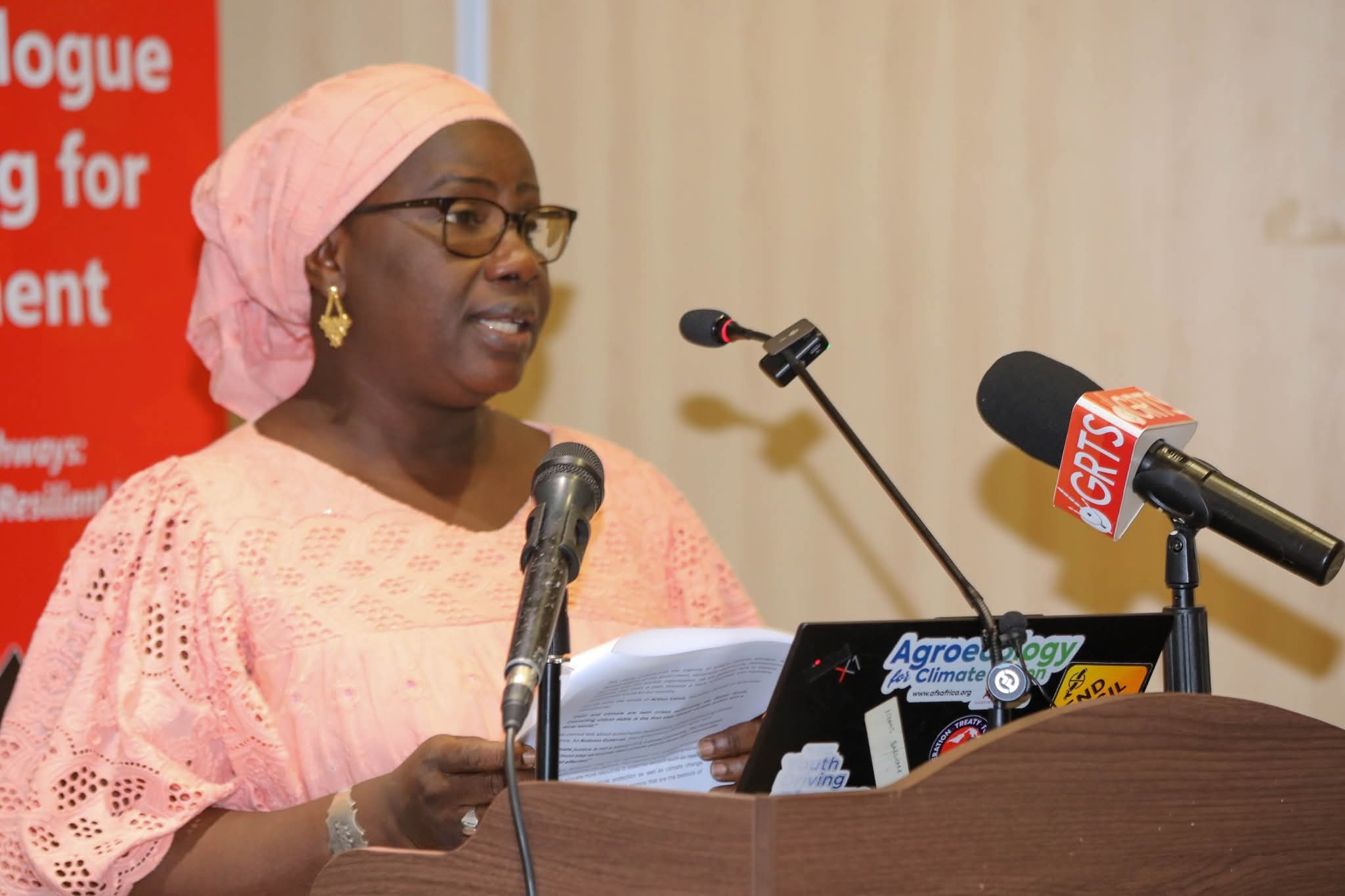
Dr. Saikou Kawsu Gassama, Board Chair of Activista The Gambia, delivered a powerful keynote address, spotlighting the paradox of post-independence struggles. “Since gaining independence, The Gambia has faced an unsustainable debt burden that diverts resources from essential services like schools, farms, and clinics,” he said. “Every dollar spent on external debt repayments is a dollar taken from our people’s future.”
Dr. Gassama called for a new global financing pact rooted in equity, dignity, justice, and shared responsibility. He emphasized that debt should not be a favor but a tool to unlock inclusive growth and social transformation. “We need financial systems that empower nations to secure food, provide quality education, and ensure healthcare for all, breaking the cycle of poverty and economic injustice,” he urged.
A significant portion of the discussion centered on climate financing, with Dr. Gassama highlighting The Gambia’s disproportionate vulnerability to climate change despite its contribution to global greenhouse gas emissions being just 0.08%. Rising sea levels, erratic rainfall, and crop failures have devastated communities, representing both an environmental and economic injustice. “Historical polluters must contribute their fair share to repair the damage and support resilience efforts,” he demanded, advocating for climate financing in the form of grants rather than loans. “Crises cannot be resolved by piling on more debt,” he added.
Ndella Faye Colley, Executive Director of ActionAid International, The Gambia, underscored the event’s role in fostering collective action. “This platform reflects our shared commitment to advocating for sustainable financing, especially for women, youth, children, and other vulnerable groups,” she said. “It’s a critical step toward building a resilient Gambian economy that prioritizes inclusive development.”
The dialogue aimed to galvanize support for a debt-free future, enabling The Gambia to redirect its limited resources toward sustainable initiatives. Participants discussed strategies to address the country’s financing challenges, including mobilizing domestic resources, securing equitable international support, and prioritizing investments in education, healthcare, and agriculture.
The event also served as a call to action for global partners to reassess their financial frameworks, which perpetuate inequality. By advocating for grants over loans and emphasizing justice and solidarity, the organizers hope to inspire commitments that align with The Gambia’s developmental aspirations.
As the dialogue concluded, attendees expressed optimism about the potential for meaningful change. The discussions underscored the need for innovative financial solutions that empower rather than burden developing nations. For The Gambia, the path forward lies in harnessing collective resolve to create a future where economic justice and resilience are not just aspirations but realities.
“This is more than a conversation—it’s a movement toward a fairer, more sustainable Gambia,” Colley concluded. With stakeholders united in their vision, the national dialogue marks a significant step toward redefining how development is financed, ensuring that no one is left behind in the pursuit of progress.