By Kebba Ansu Manneh
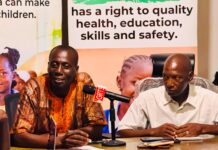
Renowned Gambian animal welfare advocate Dr. Kebba Daffeh has emphasized that the effective implementation of the 2023 Animal Health Act is “virtually impossible” without establishing a dedicated Animal Welfare Unit within the Department of Livestock Services (DLS).
Speaking as an adviser to Animal Welfare Advocates, Dr. Daffeh argued that such a unit is crucial for enforcing the Act’s regulations and monitoring compliance to address widespread issues, such as animal suffering, particularly among donkeys used for urban waste transportation.
Dr. Daffeh highlighted the unregulated practices contributing to animal suffering, noting that a specialized unit would streamline efforts to mitigate these challenges. “It’s about time we focused our advocacy on establishing a strong and vibrant Animal Welfare Unit at the Department of Livestock Services,” he stated. “This is the logical and necessary next step to solidify all the incredible progress we’ve made over the years.”
The 2020 Animal Health Act, alongside references to animal welfare in the draft constitution, provides a robust legal framework to promote animal welfare in The Gambia. However, Dr. Daffeh stressed that without a dedicated body, these provisions risk remaining unenforced. “The implementation of these documents requires a dedicated, empowered body to ensure that the provisions of the Act are enforced and regulations are effectively developed and monitored,” he explained.
Dr. Daffeh pointed to the integration of animal welfare into tertiary education at the University of The Gambia (UTG) and Gambia College as a significant step forward. “With animal welfare becoming mandatory in tertiary education, there will be a growing pool of skilled professionals available to take up the responsibilities of running the unit,” he said. This unit could serve as a career destination for graduates, offering structured roles that allow them to apply their expertise and drive meaningful change in animal welfare practices.
A dedicated Animal Welfare Unit would centralize efforts, providing a permanent institutional home for animal welfare concerns, regardless of changes in leadership or external support. Dr. Daffeh noted that the unit would develop, disseminate, and enforce specific regulations mandated by the Animal Health Act, conduct inspections, investigate complaints, and ensure compliance with these regulations. It could also coordinate with NGOs, local communities, educational institutions, and other government departments to create a cohesive national strategy.
Beyond enforcement, the unit could lead training programs for DLS staff, local authorities, and farmers, leveraging the expertise of UTG and Gambia College graduates. “The unit could provide official backing and resources for broader public awareness campaigns, reinforcing the message across the nation,” Dr. Daffeh added. Additionally, it could collect data on animal welfare issues to support evidence-based policymaking and track progress, ensuring continuous improvement.
Dr. Daffeh also underscored the unit’s potential to represent The Gambia in international forums, allowing the country to benefit from global best practices and contribute to the global discourse on animal welfare. “It could represent The Gambia in international forums, ensuring the country benefits from global best practices,” he said, emphasizing the unit’s role in elevating The Gambia’s standing in global animal welfare efforts.
The call for an Animal Welfare Unit comes amid growing concerns about the livestock sector’s capacity, with only three veterinary doctors currently employed by the government. Dr. Daffeh’s advocacy highlights the urgent need for institutional reform to safeguard animal welfare and public health, ensuring the 2020 Animal Health Act achieves its intended impact.