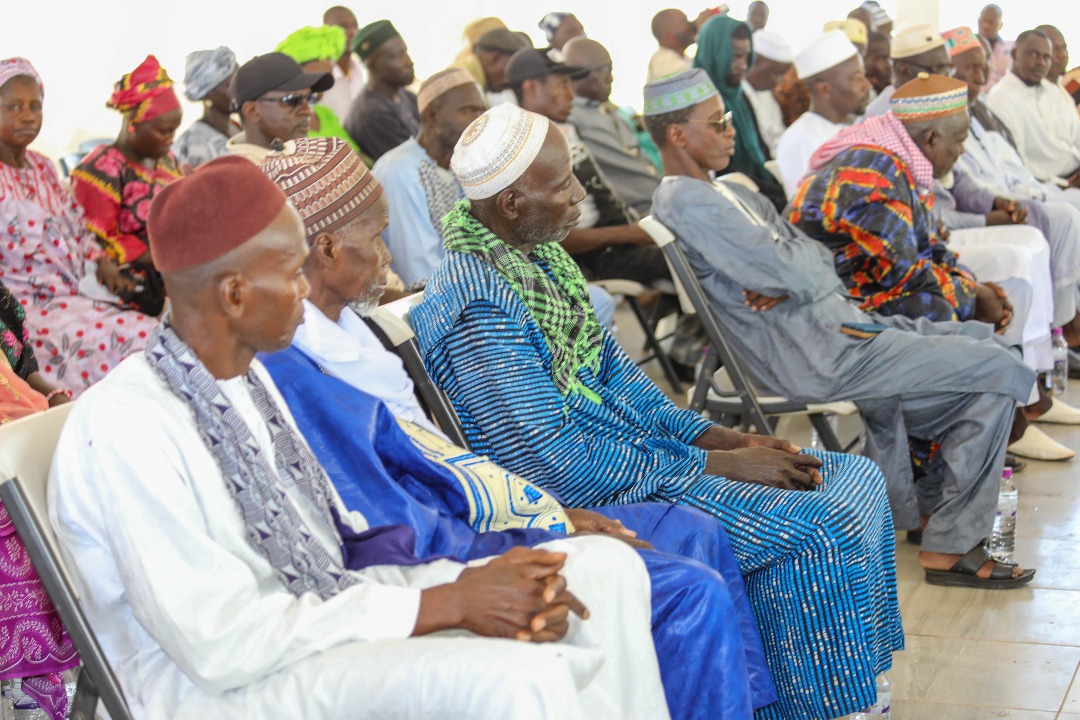
In a powerful demonstration of participatory governance, ActionAid International, The Gambia (AAITG), through its Local Rights Programme (LRP) 8 & 11 office in Kudang, in collaboration with the Governor’s Office of the Central River Region (CRR), convened the second quarterly Technical Advisory Committee (TAC) meeting.
The two-day forum brought together key stakeholders from government departments, civil society organisations, and NGOs to reinforce transparency, accountability, and grassroots inclusion in development planning and implementation.
Held under the theme “Strengthening Interface Between Duty-Bearers and Rightsholders,” the forum featured institutional presentations detailing programs and activities undertaken over the last quarter, followed by an open platform for dialogue between community members (rightsholders) and public authorities (duty-bearers).
Fully funded by ActionAid, the initiative serves as an accountability mechanism designed to promote mutual understanding of roles, reduce misconceptions, and ensure responsive governance that puts people at the centre.
“This community engagement is an important initiative,” said Saiba T. Suso, Manager of LRP 8 & 11. “Thanks to the leadership of the CRR Governor, ActionAid is now expanding this approach to other regions, including URR, NBR, and LRR.”
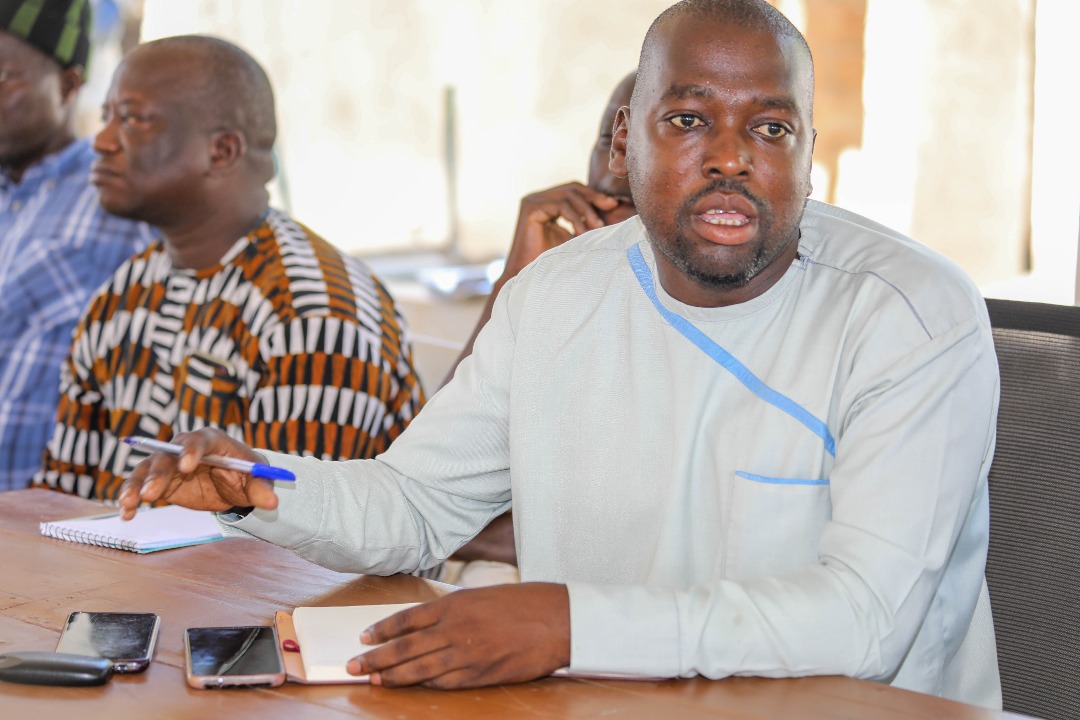
Suso emphasised that these face-to-face forums are essential for fostering mutual respect between communities and officials.
“Communities often don’t fully understand our roles, and we sometimes lose touch with theirs. This process bridges that gap and helps us serve better,” he noted.
“AAITG is not doing charity work. What we are doing is rooted in the Human Rights-Based Approach (HRBA), where transparency and accountability are the cornerstones, enabling rightsholders to hold duty-bearers accountable,” he said.
Ousman Bah, Governor of CRR, echoed these sentiments, expressing appreciation to ActionAid and its partners for their unwavering support in promoting inclusive governance.
“I would like to express my sincere appreciation to ActionAid and our development partners. Their support, particularly in 2024, has made our work more impactful,” Bah said.
“This quarterly review is not just a formality. It is how we track our journey, what we’ve achieved, what we’ve missed, and where we need to improve,” he added.
Bah called on all stakeholders to follow through on commitments made during past TAC meetings and continue the spirit of community service.
“Some of our colleagues have moved on or passed away, but their legacies remain. Let’s ensure we, too, leave a lasting impact. These interface engagements are not burdens; they are a partnership for progress. They allow us to shape our development agenda together with the people we serve.”
Beyond policy presentations and speeches, the forum offered a safe space for community members to voice concerns, propose solutions, and seek redress directly from decision-makers.
Anta Jobarteh, a resident of Janjanbureh, lauded the forum as a rare and valuable opportunity for citizens to speak directly with authorities.
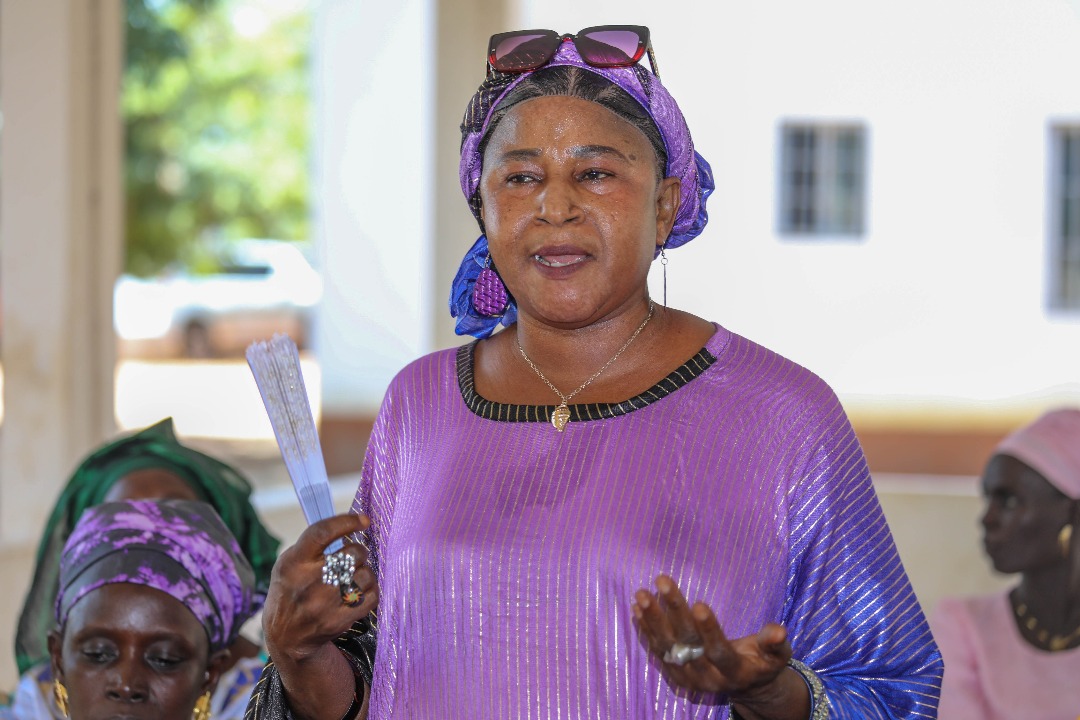
“These dialogue meetings give us a voice. I was shocked to learn that the Regional Health Directorate didn’t know that the Janjanbureh Hospital borehole hadn’t functioned in over eight years,” she said. “That hospital has no stable water supply, and immediate action is needed.”
She also called for the decentralisation of business and group registration processes, citing the financial and logistical burdens women and rural dwellers face when required to travel to Kombo for such services.
Fatou Trawally, a women’s leader from Brikamaba, emphasised that while the platform encourages transparency, more needs to be done to ensure genuine accountability.
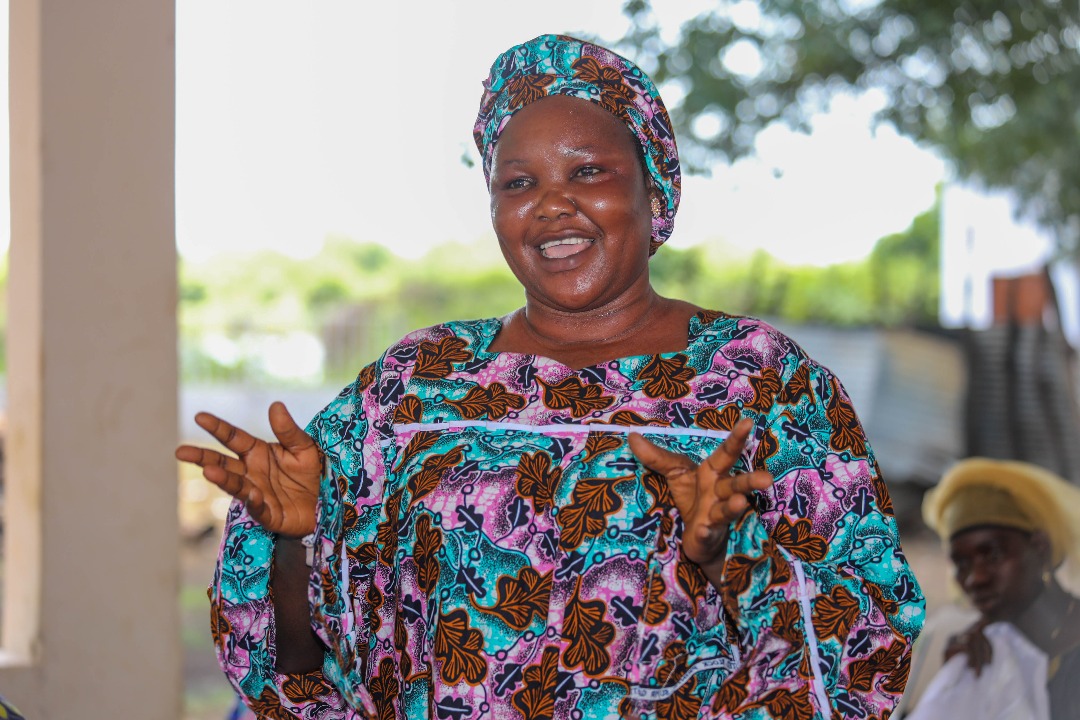
“Some of the responses from officials were not satisfactory or genuine,” she said. “We also need to question why women are excluded from some of the district tribunals in CRR when many cases before these courts involve women directly. Inclusion matters. We should not be left out of spaces where decisions affecting us are made.”
As the event concluded, one thing was clear: CRR is setting a precedent for citizen-led development. With the model already expanding to other regions, the impact of these community-centred governance forums is growing, proving that when people and power engage meaningfully, sustainable change becomes possible.