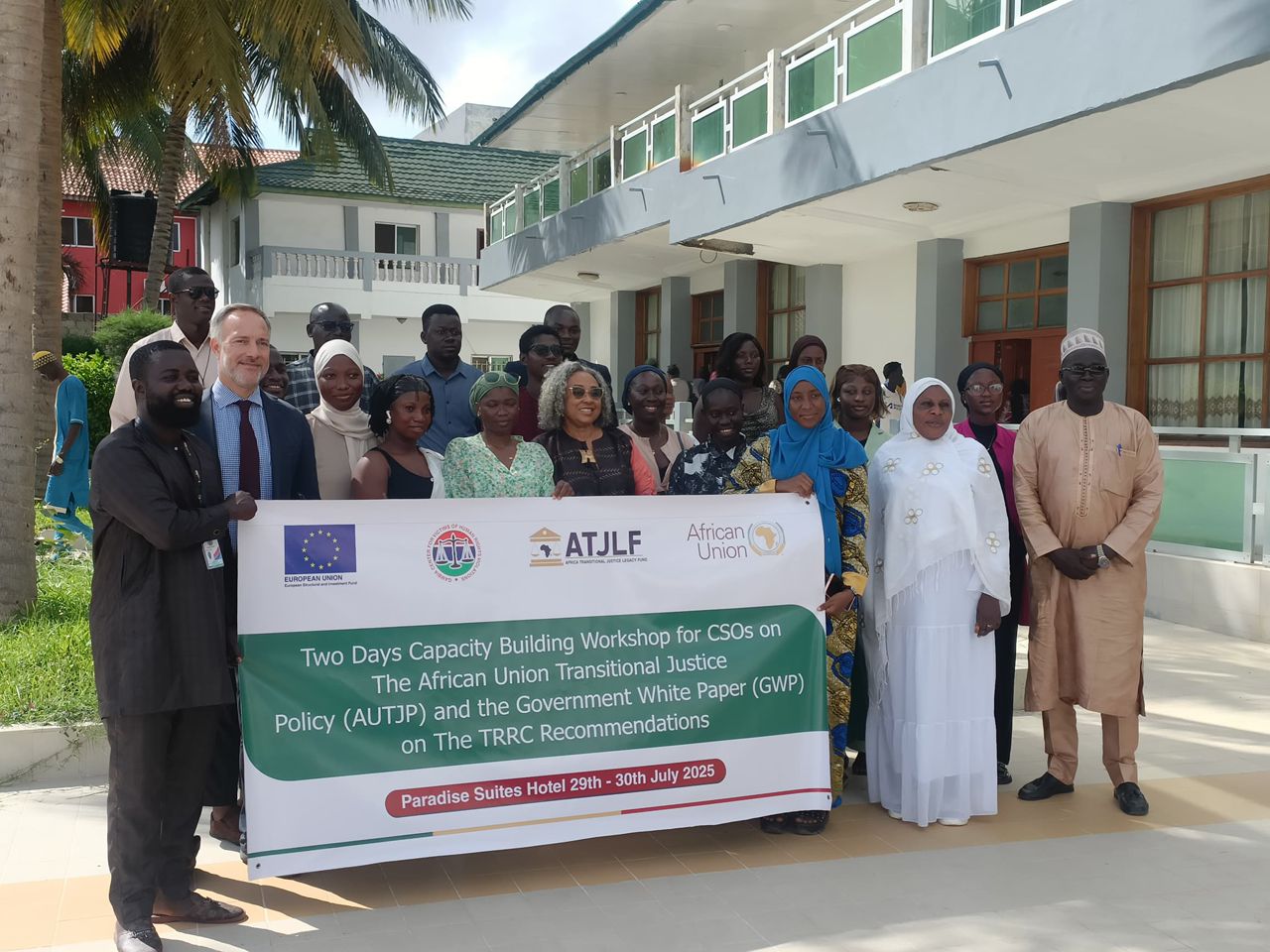
By Ebrima Mbaye
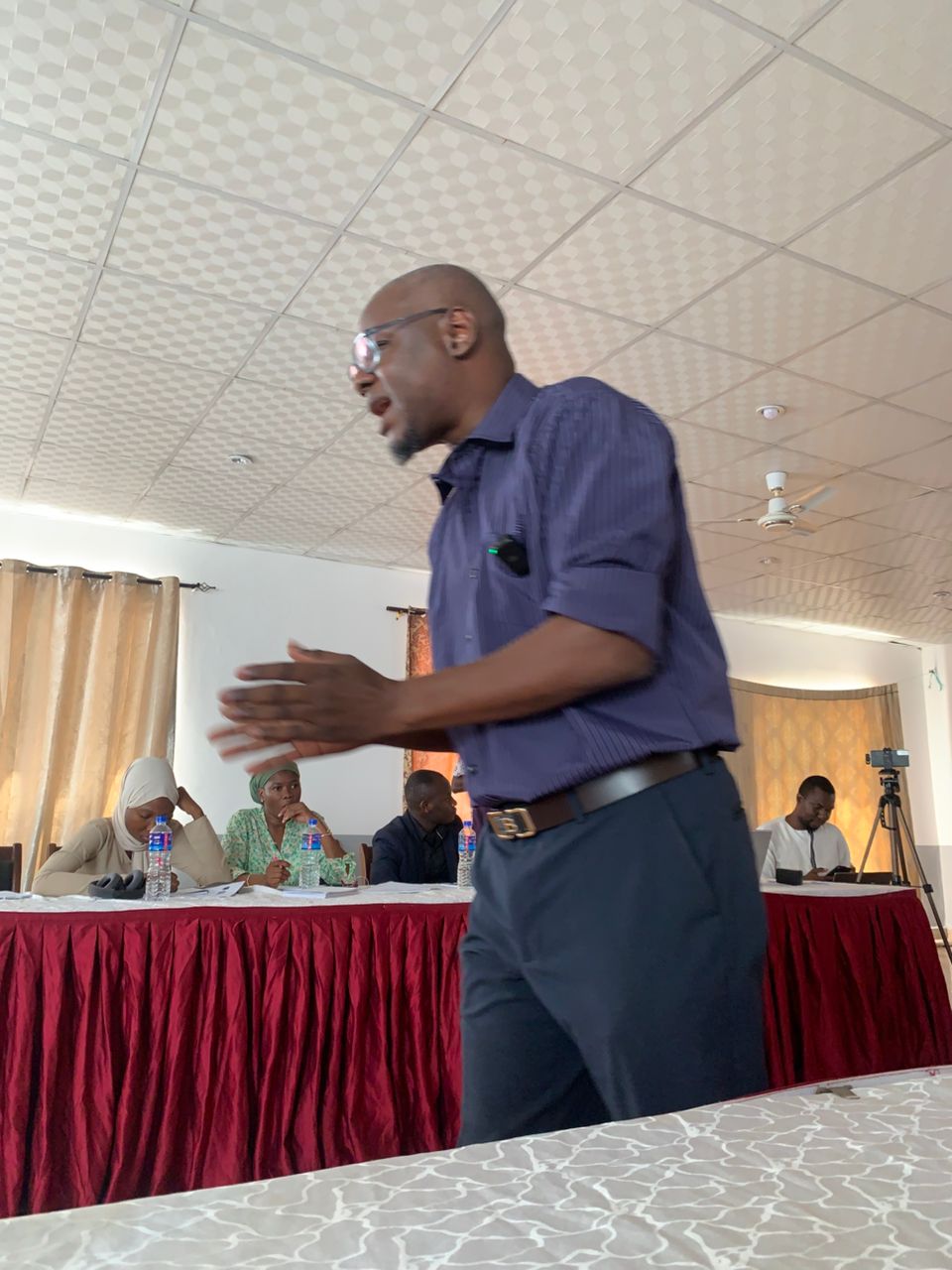
The Gambia Center for Victims of Human Rights Violations launched a two-day capacity-building forum today at the Paradise Suites Hotel, aimed at equipping civil society organizations (CSOs) and stakeholders with knowledge of the African Union Transitional Justice Policy (AUTJP) and the Government White Paper on the Truth, Reconciliation and Reparations Commission (TRRC) recommendations. The event marks a significant step in advancing transitional justice in The Gambia, fostering inclusivity and public engagement.
Funded by a €50,000 grant from the African Transitional Justice Legacy Fund under the European Union and African Union Transitional Justice in Africa Initiative, the workshop is part of a year-long project to popularize the AUTJP and the White Paper. Activities include translating the AUTJP into local languages—Mandinka, Wolof, Fula, and Jola—conducting grassroots outreach, and organizing training sessions for stakeholders, including a planned four-day sensitization for National Assembly Members and a musical caravan tour across 100 communities in the West Coast Region, Central River Region, Lower River Region, Upper River Region, and North Bank Region.
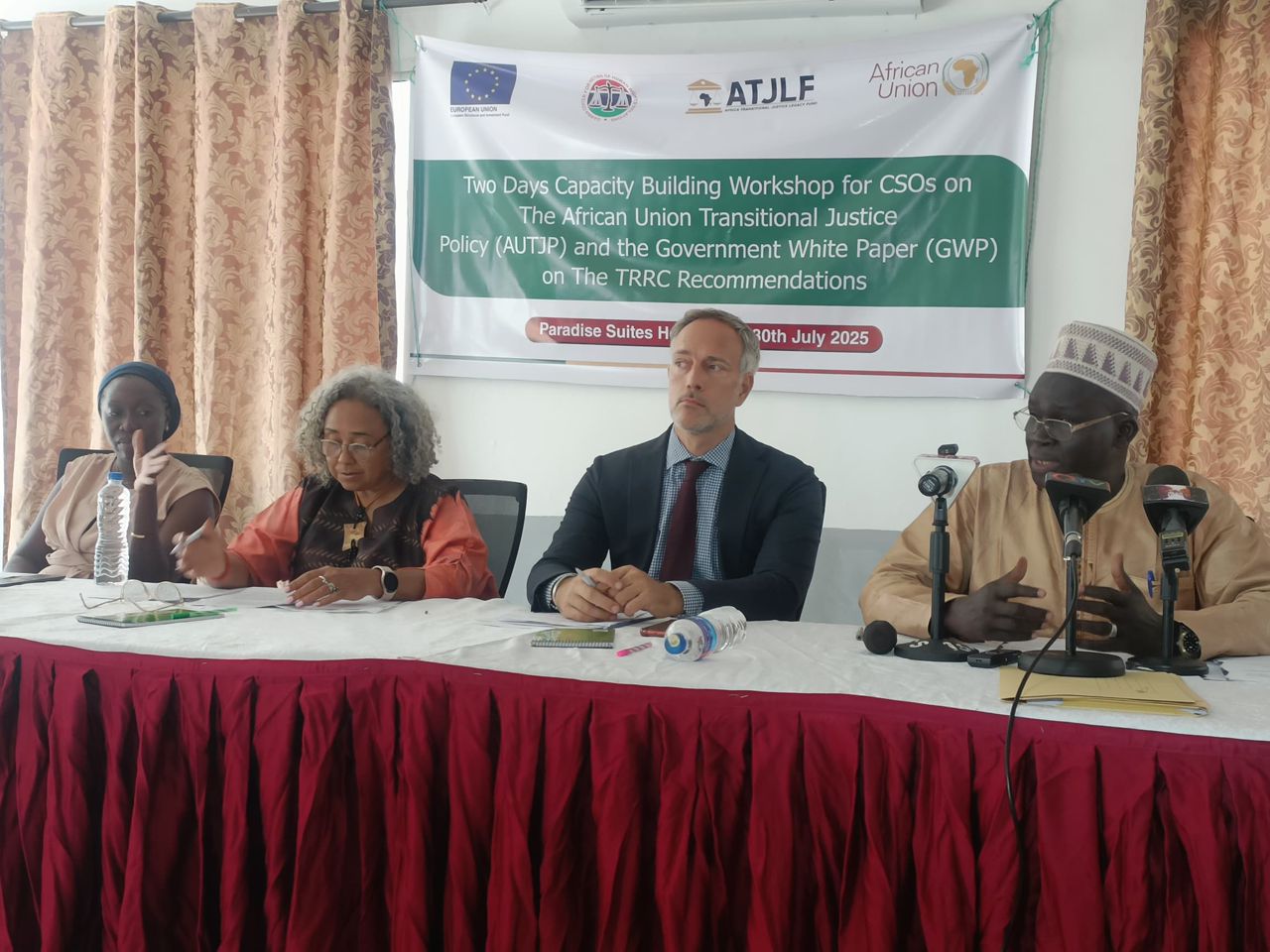
Kebba Jome, National Coordinator of the Victims’ Center, opened the event, calling it a milestone in raising public awareness of transitional justice. “This workshop is not just a formality. It’s a crucial platform for empowering stakeholders with the knowledge and tools needed to make transitional justice meaningful and participatory,” Jome said. He highlighted the Center’s growth since its founding in 2017, now representing over 1,500 registered survivors of human rights abuses, and its core services of medical support, educational assistance, and psychosocial care for victims and their families.
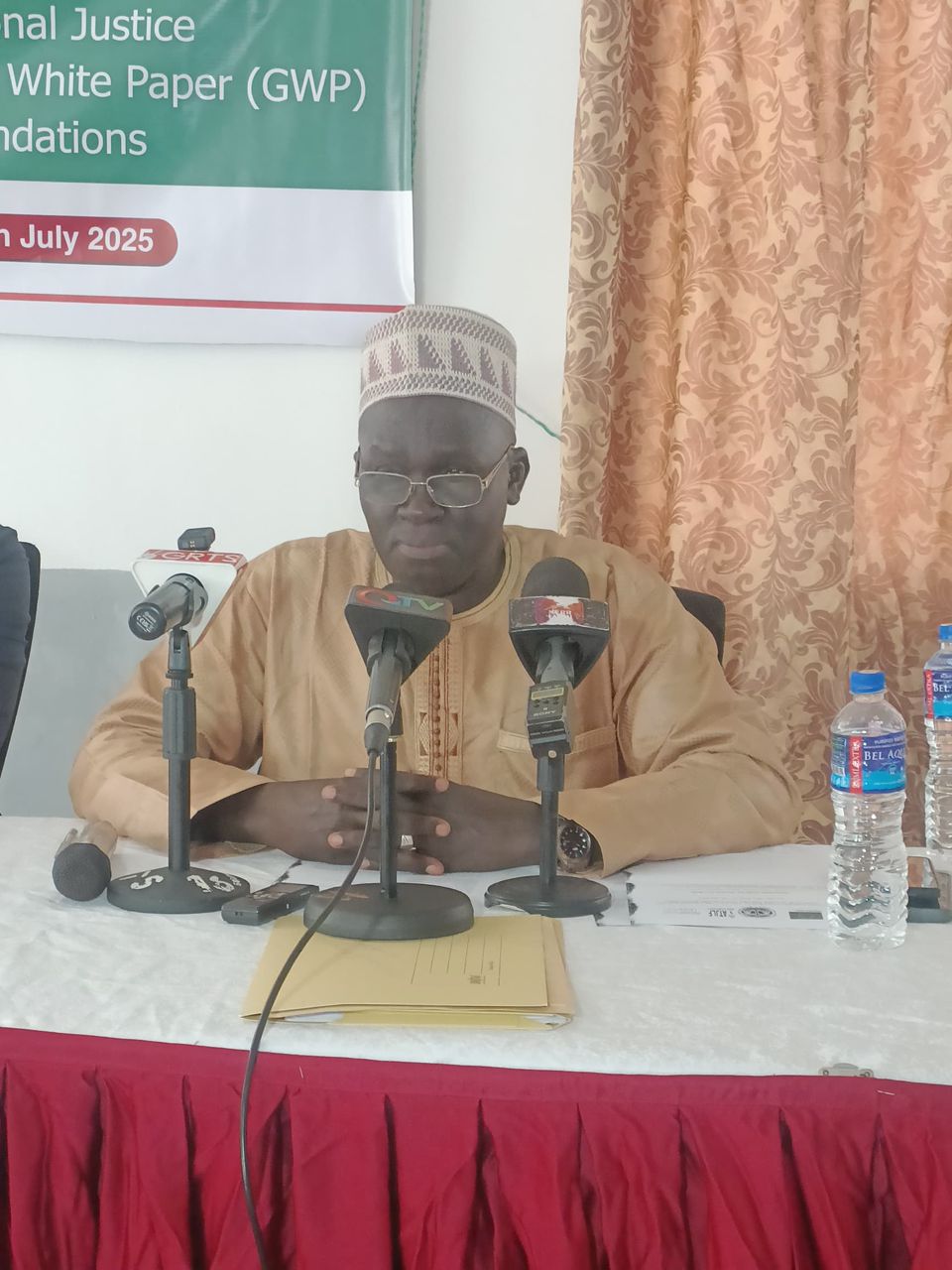
Jome also urged the government to operationalize the Reparations Commission, established on April 1, 2025, but yet to begin work due to a lack of funding and logistics. “Many victims have died waiting since October 2021. That long wait must end,” he said, thanking the EU Delegation for supporting the project’s approval.
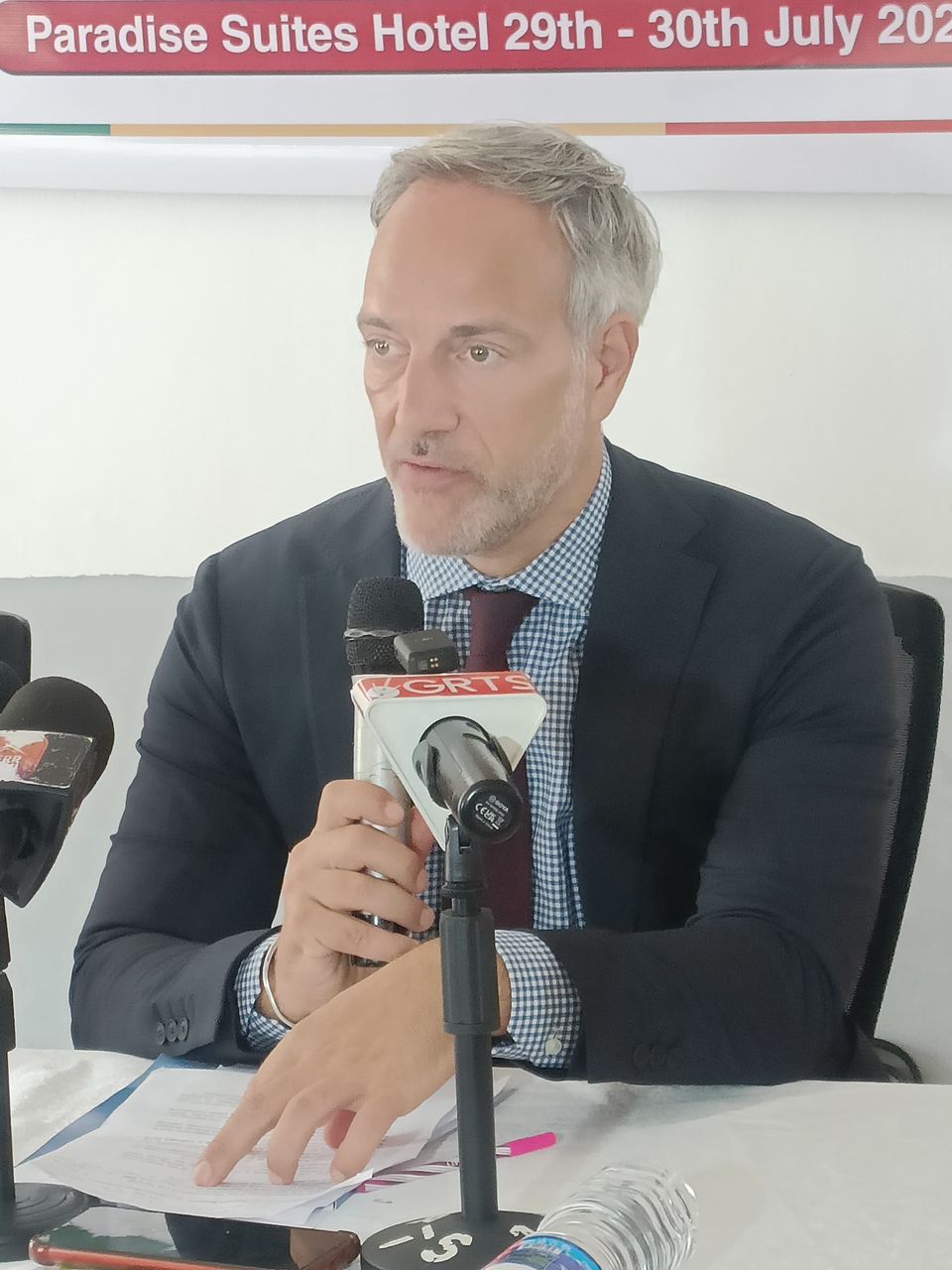
Raphaël Brigandi, Deputy Head of Mission for the European Union, reaffirmed the EU’s commitment to The Gambia’s transitional justice process. “Reparations are not only a right of the victims who suffered violations, they are also a duty of the state,” Brigandi said. He noted that the workshop aligns with the EU’s broader continental initiative, “European Support for Transitional Justice in Africa,” which supports the AUTJP, adopted by AU member states in 2019, with its roadmap finalized in 2020. Brigandi also highlighted EU contributions, including budget support for governance reforms and technical assistance to the Ministry of Justice and institutions like the National Human Rights Commission.
Yadicon Njie Eribo, Chairperson of the Association of Non-Governmental Organisations (TANGO), delivered the keynote address, emphasizing an African-led approach to transitional justice. “The AUTJP does not import justice models from elsewhere. It acknowledges that Africa’s own history demands solutions that speak to our context,” Eribo said, citing traditional mechanisms of healing and reconciliation as legitimate and powerful. She urged stakeholders to draw lessons from Rwanda, Sierra Leone, and South Africa, warning against delays in implementing TRRC recommendations: “Justice delayed is not just justice denied—it is justice abandoned.”
Eribo praised the African Transitional Justice Legacy Fund for its financial, technical, and strategic support, underscoring that transitional justice is a shared national responsibility. “The presence of civil society, government officials, victims, traditional authorities, and partners in this room is a testament to that shared duty,” she said.
The workshop’s technical sessions, led by transitional justice lawyer Imran Darboe, began with an overview of the AUTJP and transitional justice in West Africa, followed by presentations from Lamin Sanyang and Abdou Manneh on the AUTJP and the White Paper. Tomorrow’s sessions will focus on stakeholder engagement to strengthen national implementation and coordinate a civil society response aligned with continental standards.
As The Gambia continues its journey toward healing and accountability, the Victims’ Center’s initiative underscores the importance of inclusive, transparent, and participatory transitional justice processes to ensure justice for victims and a stronger future for the nation.