By Ebrima Mbaye
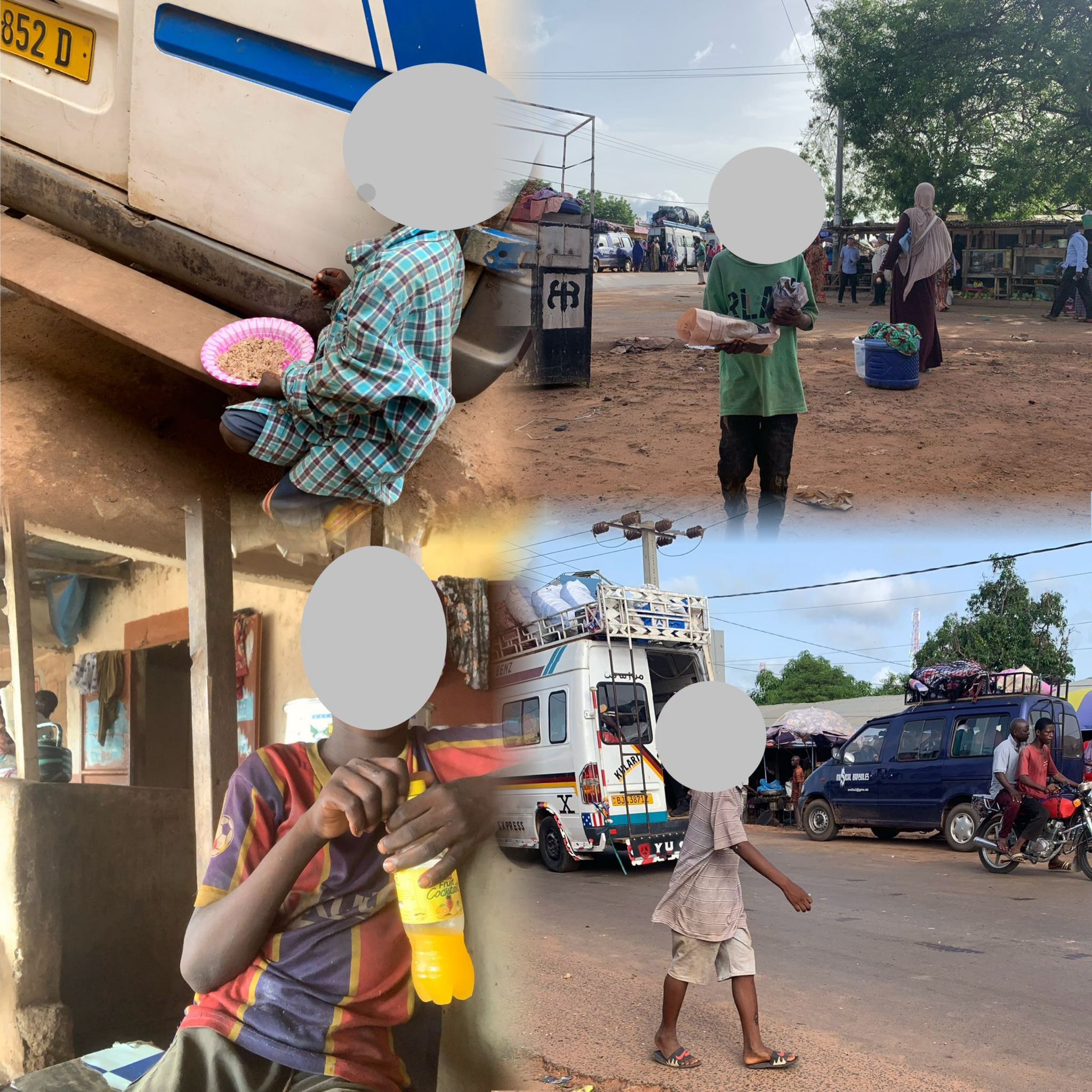
At the bustling intersection near Jarra Soma’s main garage, Lamin, a seven-year-old boy with a shaved head, clutches a few dalasi coins in his trembling hands. The midday sun scorches his bare feet, clad in mismatched slippers, as he murmurs a Wolof phrase, “Sarak Ngiri Yallah,” his eyes darting between passing cars and hurried pedestrians. Lamin was sent to Soma to study the Qur’an, or so his parents believed. Instead, he spends his days begging for survival, a stark symbol of a broken system that has failed The Gambia’s most vulnerable children.
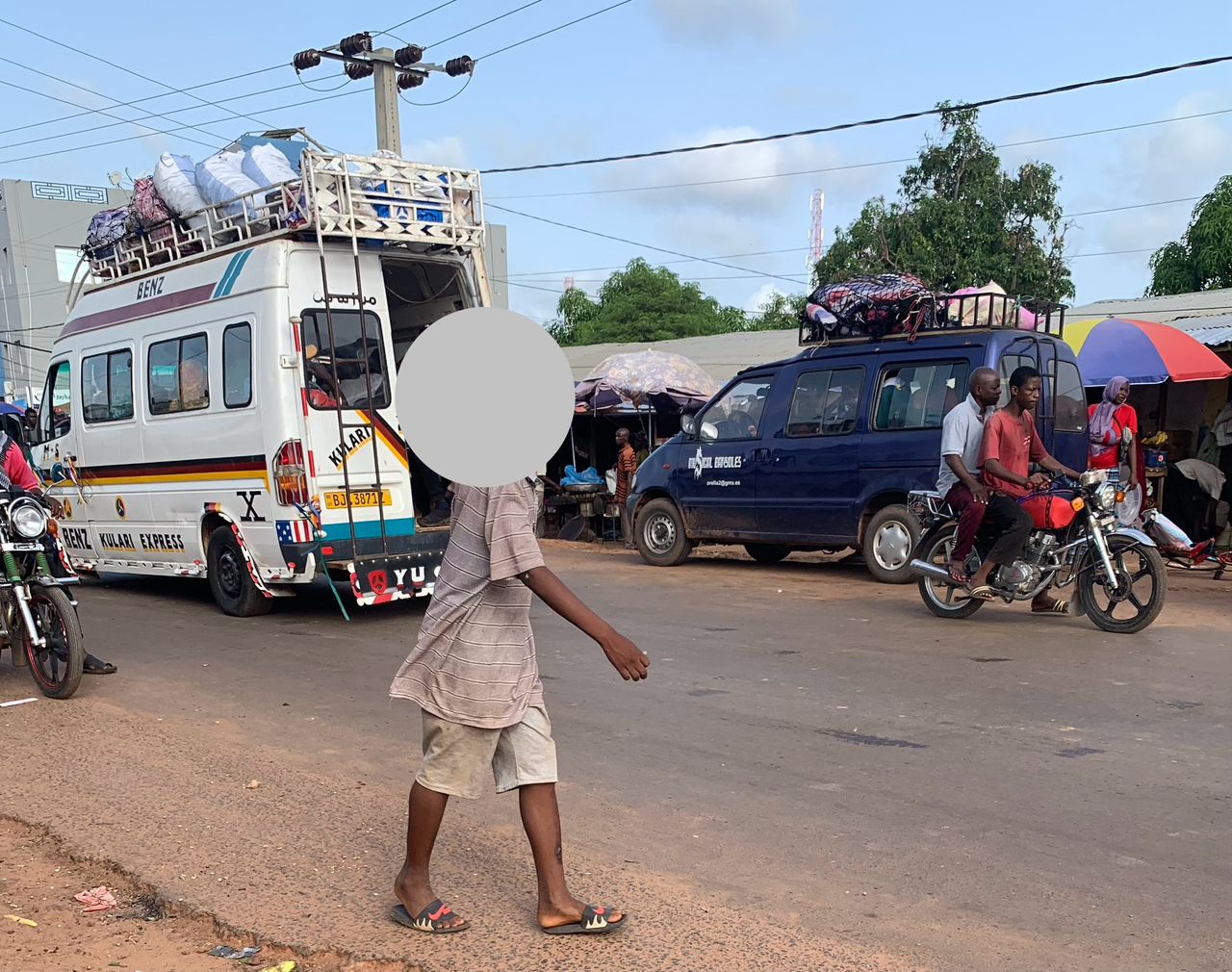
Lamin is not alone. Dozens of children, some as young as eight, roam the streets of Jarra Soma, lingering outside shops, mosques, and busy roadways. Mostly boys, they beg for food or money under the pretext of pursuing Dara education, a traditional Islamic learning system now marred by exploitation. These children, often from rural Gambia or neighboring countries like Senegal, are betrayed by a practice meant to nurture their spiritual growth but instead strips them of their childhood.
A Tradition Betrayed
The Dara system, once a cornerstone of Islamic education, has been twisted into a mechanism for abuse. Poor, trusting parents send their children to pre-urban centers like Soma and Farafenni, hoping they will gain religious knowledge. Instead, many are exploited by marabouts—religious teachers—who neglect their welfare. Fatoumatta Sowe, a street vendor who witnesses this daily, laments, “They beg more than they learn. Sometimes, they fight over food. These children are forgotten.”
The exploitation extends beyond Dara students. Near Soma’s central market, Sira Jallow, 28, carries her twin babies, one strapped to her front, the other to her back, as she approaches strangers with a bowl and empty mayonnaise buckets. “I beg with my twins to ease the burden on my husband,” she explains. In Gambian tradition, refusing alms to mothers of twins is believed to invite bad luck, a cultural belief Sira leverages to survive after losing two children. Her four-year-old son trails behind, silently dragging a plastic bag, resigned to a life shaped by begging. This practice, though culturally ingrained, raises ethical questions, as mothers use their children as emotional tools for alms, a trend few challenge openly.
Legal Protections, Weak Enforcement
The Gambia’s legal framework explicitly prohibits child exploitation. The Children’s Act of 2005, under Section 66, bans children under 16 from labor that disrupts their education or endangers their well-being, classifying forced begging as one of the worst forms of child labor. The Trafficking in Persons Act of 2007 and the UN Convention on the Rights of the Child, ratified by The Gambia, further mandate protection from abuse and economic exploitation. Yet, enforcement remains feeble.
On July 9, 2025, Minister of Gender, Children, and Social Welfare Fatou Kinteh addressed the National Assembly, responding to a question from Hon. Dembo Sanneh, MP for Foni Bondali. “Children have two places: home and school. They should not be in the streets begging,” she declared, voicing concern over the growing crisis. However, words have yet to translate into action.
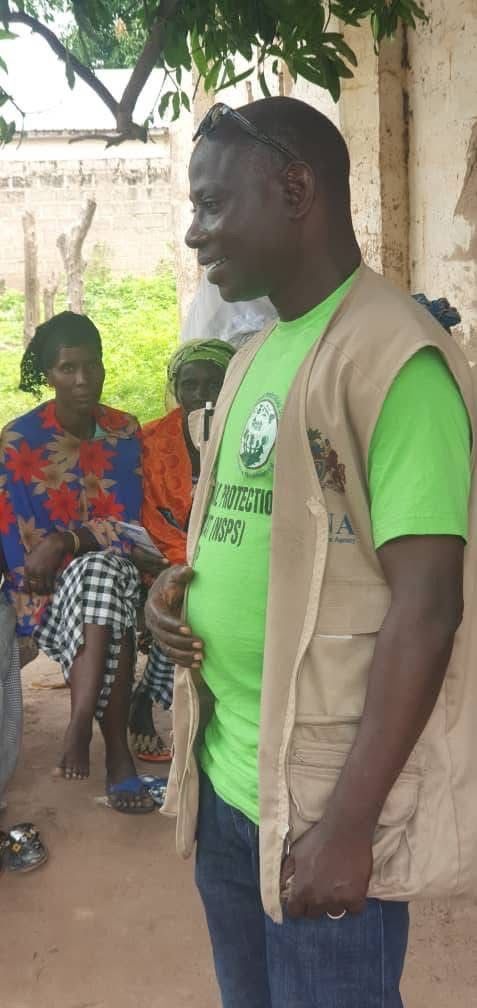
Hamadi Jobe, Social Welfare Officer for the Lower River Region, spoke candidly in Jarra Soma about the challenges. “The government and stakeholders have validated a Minimum Standards for Residential Child Care document,” he said, referencing a recent assessment of Daras nationwide. The findings were alarming: 90% of children in Soma’s Daras are non-Gambians, sent from countries like Senegal for Qur’anic education. Jobe pointed to misguided beliefs fueling the crisis: “Parents think suffering brings blessings, and marabouts rarely turn away children, even without resources. So, these kids beg. It’s exploitation.”
Systemic Failures and Grassroots Efforts
The absence of a formal shelter for at-risk children in the Lower River Region compounds the problem. Jobe highlighted initiatives like Community Child Protection Committees (CCPCs), which identify and support vulnerable children, and four trained host families under the Ministry’s foster care guidelines, supported with food and essentials bimonthly. Awareness campaigns targeting community leaders, law enforcement, and the public aim to curb child abuse, while the National Child Protection Policy, recently validated, seeks to regulate daras and enforce minimum standards.
Poverty remains a key driver. Programs like the Family Strengthening Programme, providing D1,000 monthly to vulnerable households, and the Nafa Program, supporting poor families in the Kiangs, offer some relief. However, Jobe clarified that child trafficking is not a major issue in the region, though economic desperation pushes families to exploit their children.
Caught Between Faith and Fear
For children like Lamin, the line between education and exploitation is blurred. Fear of punishment—both from marabouts and perceived spiritual consequences—silences them. Many believe enduring hardship earns divine favor, a notion that perpetuates their suffering. Ousman Sidibeh, a young Arabic student from Genoi, challenges this distortion: “Islam teaches compassion and knowledge, not abuse. Using religion to justify child suffering is wrong.” Yet, even religious leaders hesitate to confront marabouts, fearing accusations of opposing Islamic teachings.
Glimmers of Hope Amid Despair
Behind a warehouse near Soma’s mosque, retired schoolteacher Sainey Bah shares heartbreaking encounters with these children. “When I ask their dreams, they say, ‘I want to eat,’” he says, his voice heavy. Some children, he notes, no longer remember their parents’ faces, their identities eroded by years of neglect.
Bah believes change requires bridging the gap between The Gambia’s laws and its cultural realities. Without this, children like Lamin and Sira’s son remain trapped in a cycle of trauma, their potential stifled by tradition and poverty.
A Nation’s Silent Crisis
The streets of Jarra Soma and Farafenni bear witness to a silent epidemic—children begging not just for food, but for dignity, freedom, and a chance at childhood. As policymakers debate and communities offer fleeting sympathy, the bowls and buckets remain outstretched, a poignant reminder of a nation’s unseen wounds.
Lamin’s soft chants and Sira’s weary steps echo a truth too loud to ignore: these children were born for more than this. Until The Gambia confronts the systemic failures that perpetuate their suffering, their cries will linger, a haunting call for justice and compassion in a land where faith and fear collide.