

By Sainabou Sambou
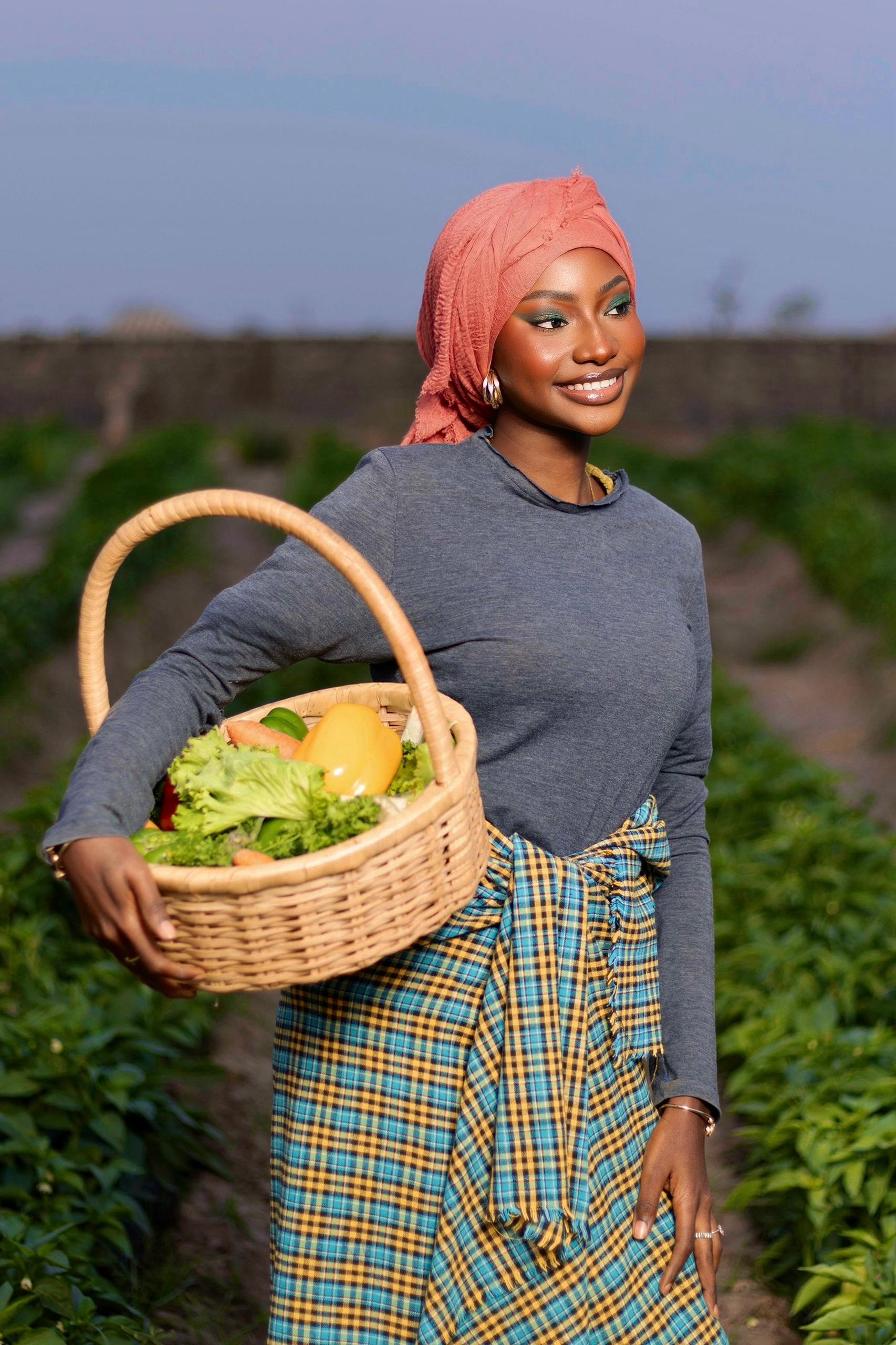
In the sun-drenched fields of The Gambia, where farming has long been viewed as a rugged, male-dominated trade, Fatoumatta Touray is planting seeds of change—both in the soil and in the minds of young women across the nation. A student nurse, makeup artist, and the visionary founder of Weral Greenfield, Touray is challenging stereotypes by blending agriculture with elegance, proving that glamour and grit can coexist.
“I want young African women to live without limits,” Touray told The Alkamba Times. “Girls should know they can be creators, cultivators, CEOs, and caretakers all at once. Expressing yourself should never stop people from taking you seriously.”
Touray’s mission is to transform farming from a last-resort occupation into a vibrant, innovative, and empowering industry. “I live that vision every day in the fields and front of the camera,” she said. Her journey is one of defiance against tradition, blending her love for creativity with a deep belief in agriculture’s potential to drive economic and social progress in The Gambia.
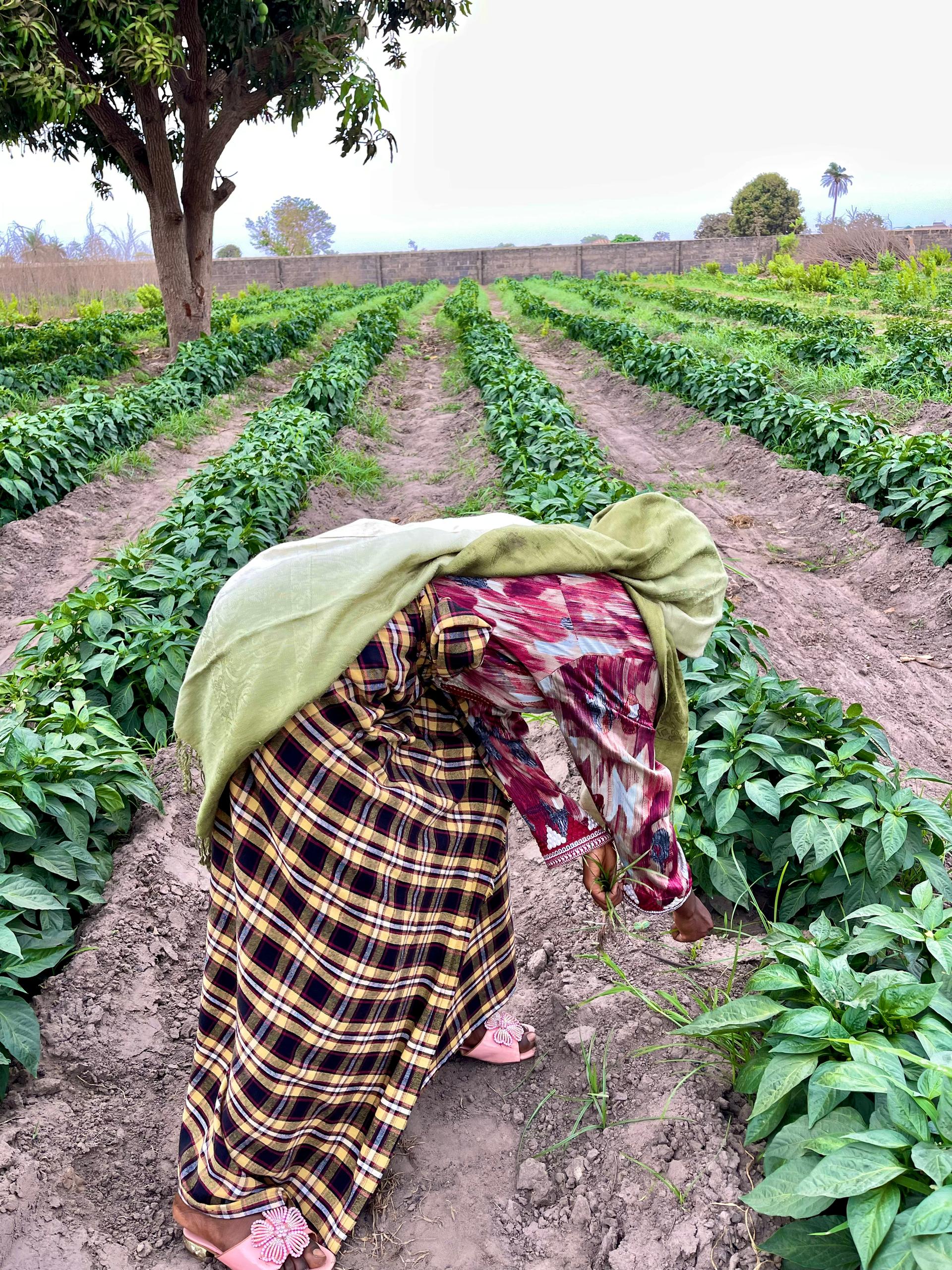
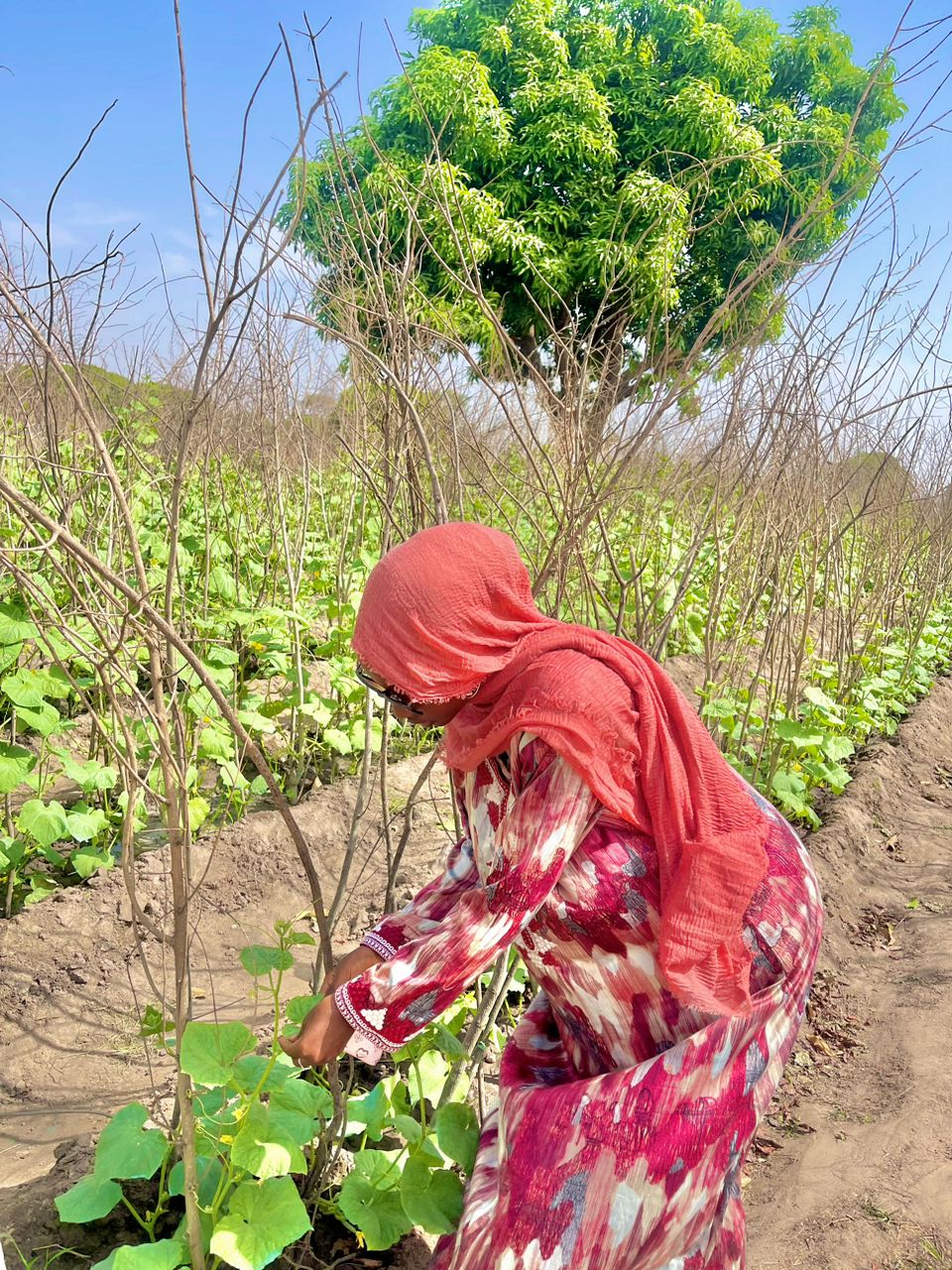
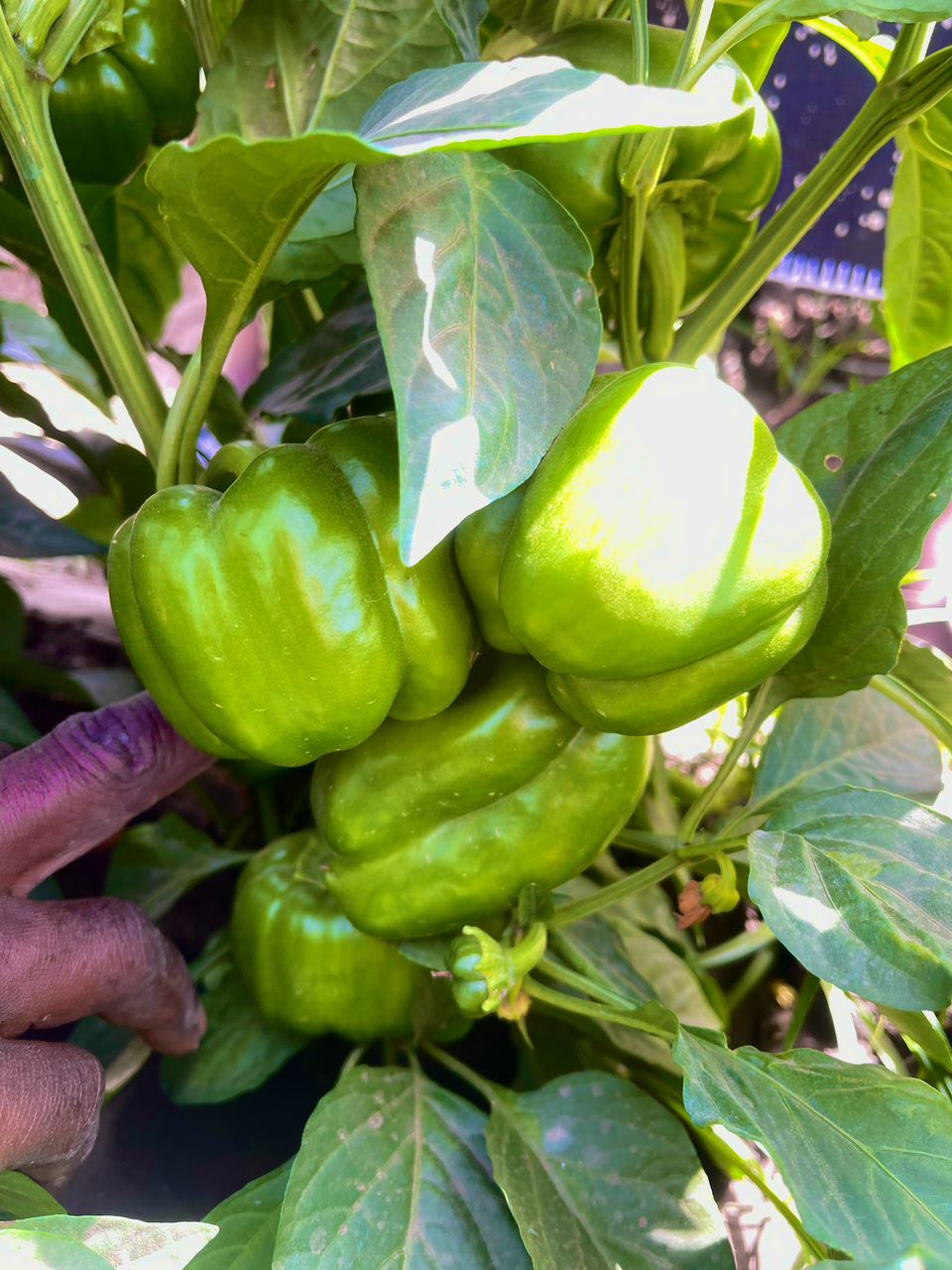
Growing up, Touray was a multifaceted talent, organizing community events one moment and sketching makeup designs the next. “I liked both structure and creativity, order and flair,” she recalled. “My childhood taught me identity isn’t one-dimensional.” Makeup became her first passion—a medium for storytelling, confidence-building, and challenging societal norms. But farming, she said, was a calling she couldn’t ignore.
“I didn’t start farming because of tradition,” Touray explained. “I believe Africa’s growth depends on young people seeing agriculture as both a business and a legacy. When I saw farming, I didn’t see survival. I saw empowerment and entrepreneurship.”
In a country where agriculture is often portrayed as rough and unglamorous, Touray saw an opportunity to rewrite the narrative. “Agriculture was always shown as dirty and not elegant. Many people think it’s only for men. But that’s not the full story,” she said. “I wanted to show farming can be stylish, strategic, and stunning.”
Touray’s approach is as bold as it is unique. On her farm, she plants crops and tends to the soil with the same precision she applies to her makeup artistry. Simultaneously, she creates beauty content that celebrates both strength and softness. “The field and the camera are both my canvases,” she said. Her social media platforms showcase vibrant images of her working the land in colorful attire, seamlessly blending her farming duties with her passion for beauty.
The response has been overwhelming, particularly among young women. “Many people tell me, ‘You make farming look like something I want to try,’” Touray said. “The best part is these are young people saying it.” Her ability to make agriculture aspirational has sparked curiosity and ambition in a generation that once overlooked farming as a viable career.
But Touray’s journey hasn’t been without challenges. “Some people didn’t get my vision of mixing beauty and farming,” she admitted. “I stay focused on my ‘why.’ I’m not doing this for approval—I’m doing it for impact.” Building Weral Greenfield has been an uphill battle, with financial constraints, limited access to tools, and a lack of support for young farmers posing constant hurdles. Yet Touray has adapted, selling her produce directly to customers at local markets and increasingly through digital platforms.
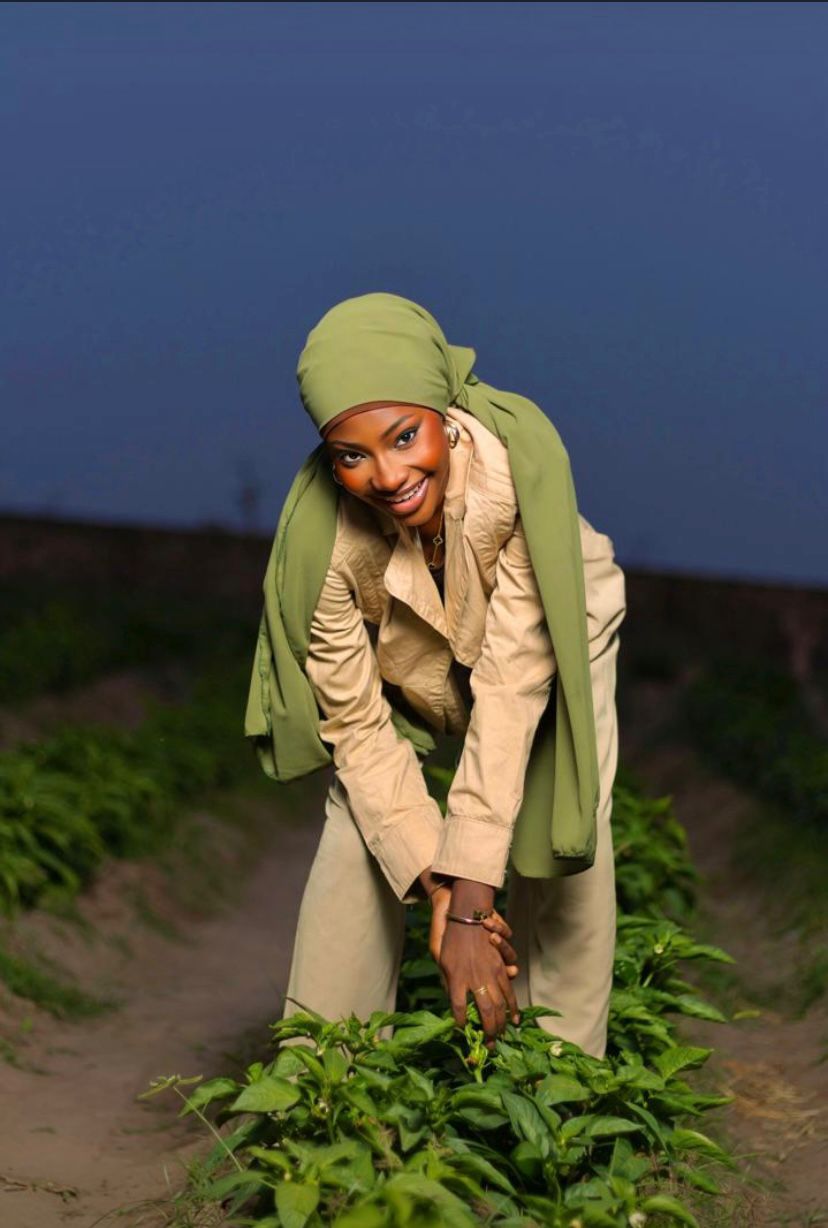
“Farming doesn’t end at harvest,” she said. “It continues with branding, storytelling, and relationships. People don’t just buy products; they buy passion, consistency, the brand, and trust. Even packaging matters. Your energy shows in your produce.”
Touray’s work is particularly significant in The Gambia, where women are the backbone of agriculture. According to a 2023 report by Just4Women Africa, women account for about 70% of the country’s agricultural workforce, producing 40% of its total agricultural output. They dominate rice cultivation, over 80% of vegetable farming, and the majority of horticultural produce sold in local markets. Yet, as noted by the United Nations’ Food and Agriculture Organization (FAO) in a 2021 report, women in The Gambia and across Sub-Saharan Africa—where they contribute 50% to 70% of food production—face significant barriers. They rarely own the land they farm and struggle to access credit, tools, and decision-making power.
These challenges only fuel Touray’s determination. “I want Weral Greenfield to be more than a farm,” she said. “I want it to grow ideas, jobs, and opportunities, especially for young women. I want it to be a learning ground for bold young farmers.”
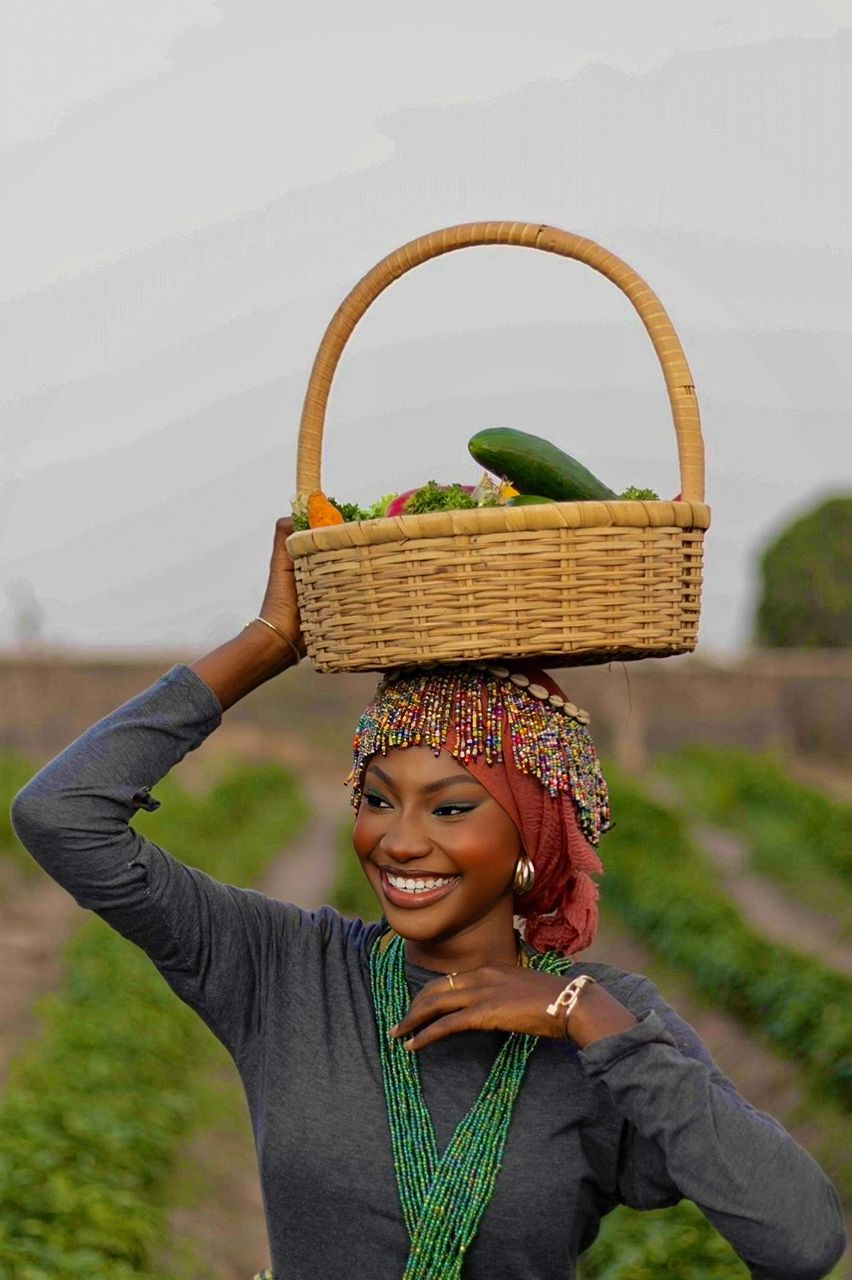
Touray’s vision is resonating far beyond her fields. By blending farming with beauty, she is redefining what it means to be a modern farmer in The Gambia. Her message is clear and inspiring: “We can grow food and still glow. We can build empires and still wear eyeliner.”
As The Gambia looks to its future, Fatoumatta Touray is proving that farming and glamour can indeed grow together, cultivating a new generation of empowered, multifaceted women ready to sow their own seeds of change.

What an inspiring story. Keep the momentum Fatoumatta touray.
I’m indeed inspired