By: Sainabou Sambou
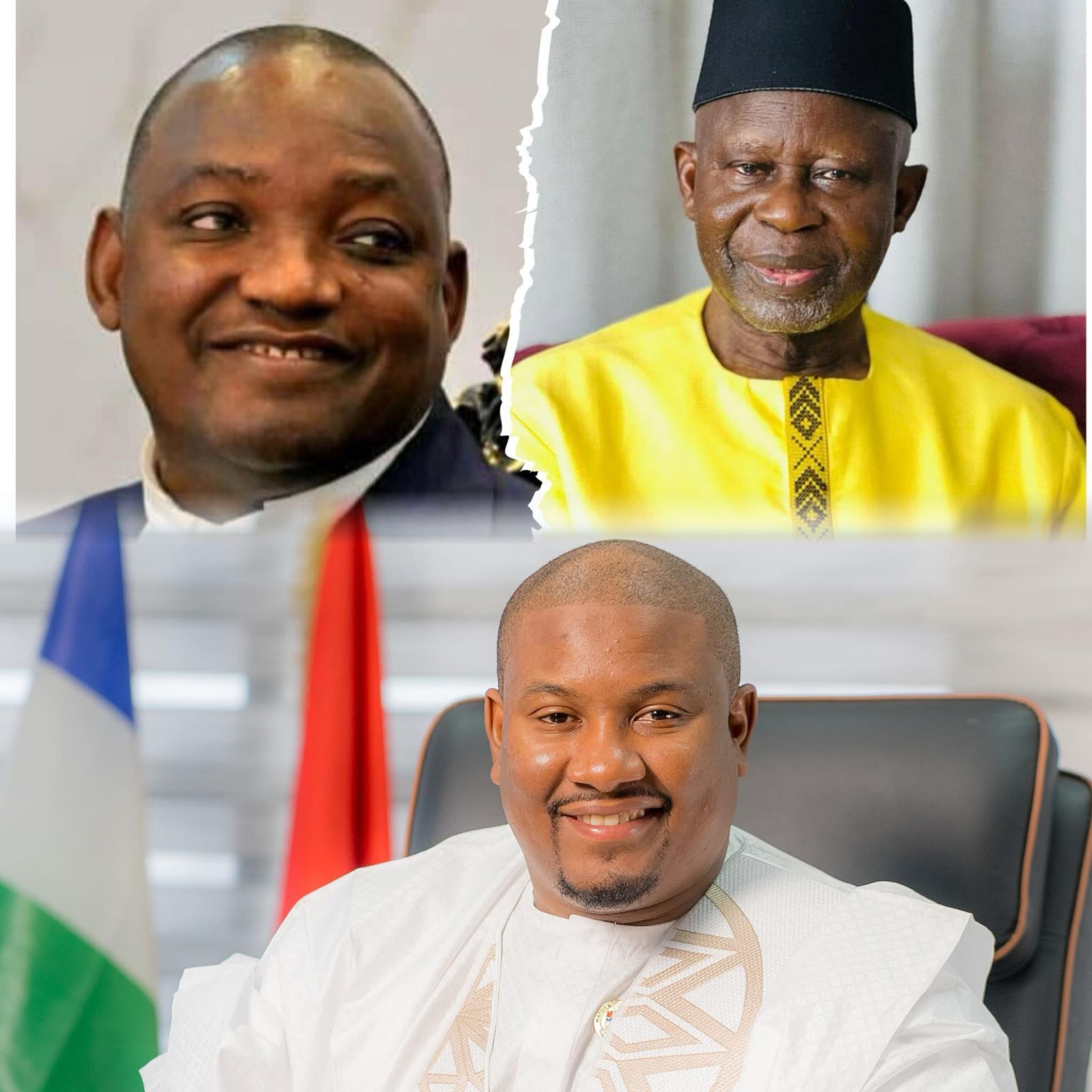
As The Gambia approaches its pivotal 2026 Presidential Election, a recent opinion poll conducted by Gambia Participates reveals a complex and fluid political landscape, with incumbent President Adama Barrow facing significant public resistance and younger leaders, particularly Talib Bensouda, emerging as strong contenders. The survey, conducted in July 2025 with 1,556 respondents across all 53 constituencies, highlights deep divisions in voter sentiment, regional variations, and a growing appetite for generational change.
Public Sentiment on President Barrow’s Third-Term Bid
The poll indicates that a majority of Gambians—55%—oppose President Adama Barrow running for a third term in 2026, with only 35% supporting his candidacy and 10% undecided. If Barrow were to run, 60% of respondents say they would not vote for him, while just 19% would back him, and 20% remain undecided. Regional differences are stark: Basse shows strong support for Barrow (56% would vote for him), followed by Kanifing (48%), but opposition dominates in Banjul (42% against), Kerewan (41%), and Kuntaur (41%).
Age and gender dynamics further complicate Barrow’s prospects. Opposition is strongest among younger voters aged 25–34 (19% would not vote for him) and 35–44 (14% against), while older voters (55+) show slightly less resistance but still lean negative (7% no vs. 5% yes). Men are more critical, with 34% rejecting Barrow compared to 23% supporting him, while women are more evenly split (21% no vs. 12% yes). These figures suggest Barrow faces an uphill battle to secure broad support, particularly among younger and male voters.
Ousainou Darboe’s Fading Prospects
Veteran opposition leader Ousainou Darboe of the United Democratic Party (UDP) also faces significant hurdles. The poll shows 58% of respondents believe Darboe should not contest in 2026, with only 28% in favor and 13% unsure. If he ran, just 18% would vote for him, while 63% would not, and 18% remain undecided. Darboe’s strongest support lies in Mansakonko (53%), Kerewan (49%), and Janjanbureh (44%), but urban centers like Kanifing (51% opposed) and Brikama (39% no) show strong resistance.
Younger voters (25–34) are particularly opposed, with 20% rejecting Darboe’s candidacy, while support across all age groups remains in single digits. Men are more critical (38% no vs. 12% yes) than women (22% no vs. 7% yes), indicating a broad lack of enthusiasm for Darboe’s potential run. His limited appeal, especially in urban areas, suggests a challenging path to the presidency.
Talib Bensouda’s Rising Star
Emerging as a standout figure, Talib Bensouda is favored by 44% of respondents as the preferred successor to Darboe within the UDP, far ahead of Yankuba Darboe (13%) and Rohey Malick Lowe (5%). A significant 35% remain undecided, reflecting uncertainty about UDP leadership succession. Bensouda’s support is strongest in Banjul (58%) but weaker in urban areas like Kanifing and Brikama, where indecision is high.
Beyond the UDP, 50% of respondents believe Bensouda should run for president in 2026 regardless of party affiliation, with only 20% opposed and 30% unsure. His appeal is strongest in Kuntaur (55%), Basse (51%), and Banjul (51%), and he resonates most with voters aged 25–34 (17% yes) and 35–44 (13% yes). Men are significantly more supportive (31% yes) than women (19% yes), highlighting a gender gap that Bensouda may need to address to broaden his base.
Coalition Politics and Electoral Outlook
The poll suggests that a coalition involving Bensouda, Essa Mbaye Faal, and Mama Kandeh could be a game-changer, with 55% believing it could win in 2026, compared to 16% who disagree and 29% who are unsure. Kuntaur shows the highest confidence (53%), while Kanifing is the most skeptical (41% doubts its chances). Bensouda is the preferred leader for such a coalition (38%), followed by Mama Kandeh (14%) and Essa Mbaye Faal (12%), though 33% remain undecided.
Younger voters (25–34) are the most optimistic about the coalition’s prospects (20% yes), while men (35% yes) are nearly twice as confident as women (20% yes). These findings indicate that coalition politics could reshape the race, particularly if it consolidates fragmented voter bases in key regions.
Perceived Frontrunners
Despite his challenges, Barrow remains the perceived frontrunner, with 31% believing he has the best chance of winning in 2026, followed by Bensouda (18%) and Darboe (12%). Mama Kandeh and Essa Mbaye Faal each garner 3%, while 29% of respondents are undecided, signaling a volatile race. Regional variations are notable: Barrow leads in Basse (25%), while Bensouda is strong in Kuntaur (29%), and Darboe dominates in Mansakonko (35%). Urban areas like Kanifing and Brikama show fragmented support, with “Other” candidates and Faal gaining traction.
Men overwhelmingly see Barrow as the likely winner (22%), while women are more divided, with Bensouda (13%) and Darboe (7%) also prominent. Younger voters (25–34) are more open to Bensouda, suggesting a generational shift that could challenge Barrow’s dominance.
Key Takeaways
The poll underscores a public desire for change, with both Barrow and Darboe facing significant resistance. Bensouda’s cross-party appeal and strong support among younger voters position him as a potential disruptor, but he must convert undecided voters to solidify his base. Coalition politics could prove decisive, particularly if it unites diverse regions and demographics. With 29% of voters undecided and regional dynamics in flux, the 2026 election remains highly competitive, with generational debates and strategic alliances likely to shape the outcome.