By: Mamadou Gagigo
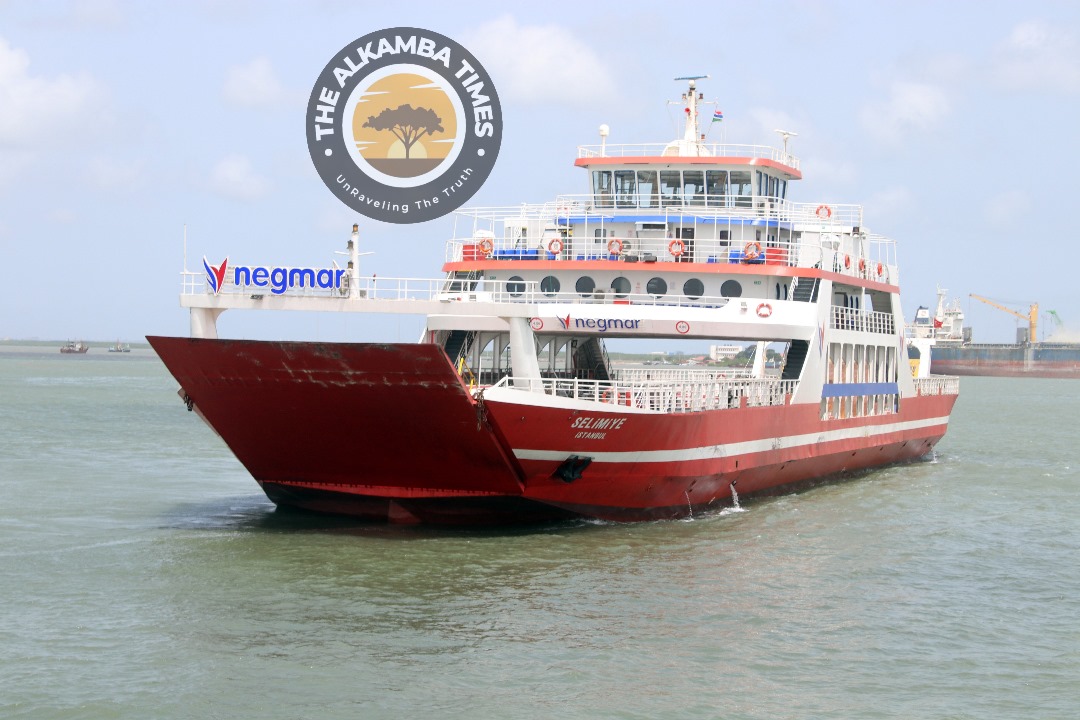
In a landmark move to overhaul The Gambia’s river transport system, Negmar Investment Cooperation has launched a new private ferry service, heralded as a game-changer for commuters and traders. The service, which began operations today with the arrival of the ferry ‘Salimiye’ at Banjul dockyard, promises 24-hour connectivity, addressing long-standing transportation challenges and boosting economic activity across the region.
The welcoming ceremony for the ‘Salimiye’ was attended by key dignitaries, including the Turkish Ambassador to The Gambia, H.E. F. Turker Oba, the Acting and Deputy Managing Director of Negmar, Orhan Demiral, the technical crew, and government officials. The event marked a significant milestone in improving access to reliable transport along the critical Banjul-Barra route, a vital link connecting the capital to the North Bank Region.
For years, the Banjul-Barra route has faced inefficiencies, including lengthy waiting times and limited capacity, which have frustrated commuters and hindered trade. The Negmar ferry service aims to resolve these issues by offering increased capacity, frequent trips, and round-the-clock operations. This development is expected to streamline movement for residents, particularly those in the North Bank Region, who rely heavily on the route for daily commuting and commerce.
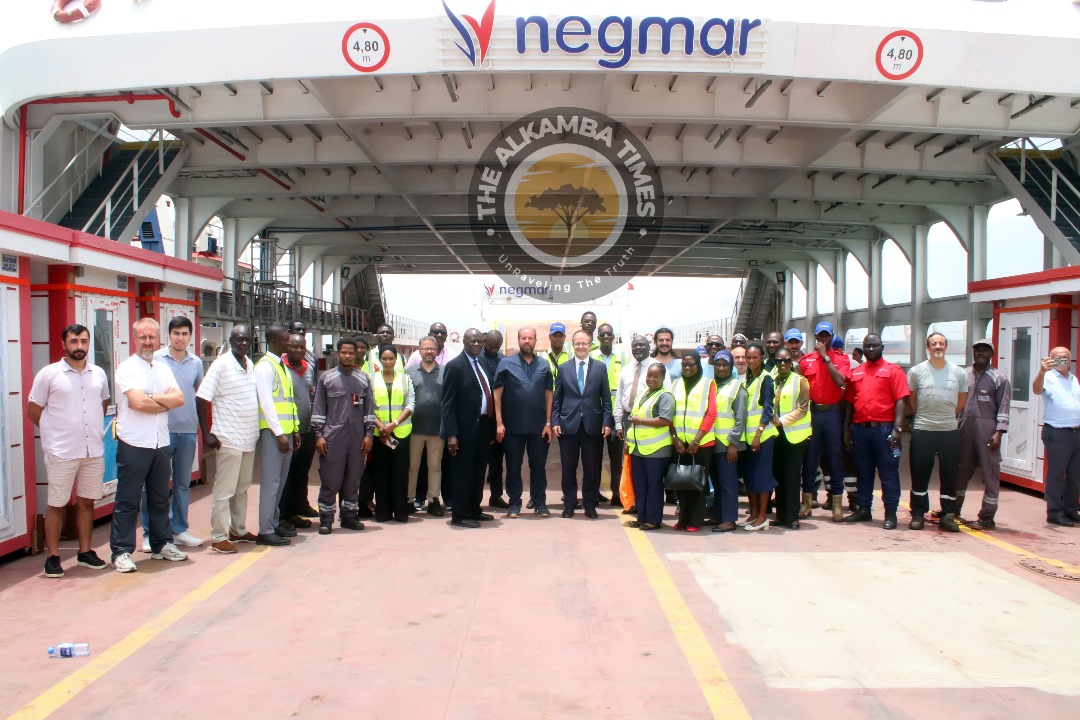
Speaking to The Alkamba Times, Negmar’s Acting Managing Director, Orhan Demiral, outlined the scale of the project, which carries an estimated cost of $35 million. “This project is highly capital-intensive,” Demiral said. “Our proprietor, Muhammed Cueve, has already invested $25 million in one ferry, a turbot, and other critical components.” Additionally, Negmar has allocated GMD 50 million for infrastructure upgrades, including the construction of modern landing terminals in Banjul and Barra. These investments are poised to stimulate economic growth by enhancing transportation infrastructure and generating employment opportunities.
The economic impact of the Negmar ferry service is already evident. The company has employed over 100 Gambians in various roles, including captains, crew members, and engineers. This influx of job opportunities not only provides immediate economic relief but also builds long-term capacity in The Gambia’s transportation sector. The service is expected to reduce congestion on the Banjul-Barra route, enabling faster and more efficient movement of goods and people, which is critical for traders and businesses.
H.E. F. Turker Oba, the Turkish Ambassador, emphasized the collaborative nature of the project during the ceremony. “This is not an economic threat; it’s a public service to support Gambians,” he said. “Negmar works closely with Gambian authorities to complement existing services, not compete with them.” This cooperative approach underscores the project’s alignment with The Gambia’s development goals, ensuring that the ferry service meets the needs of commuters while fostering economic progress.
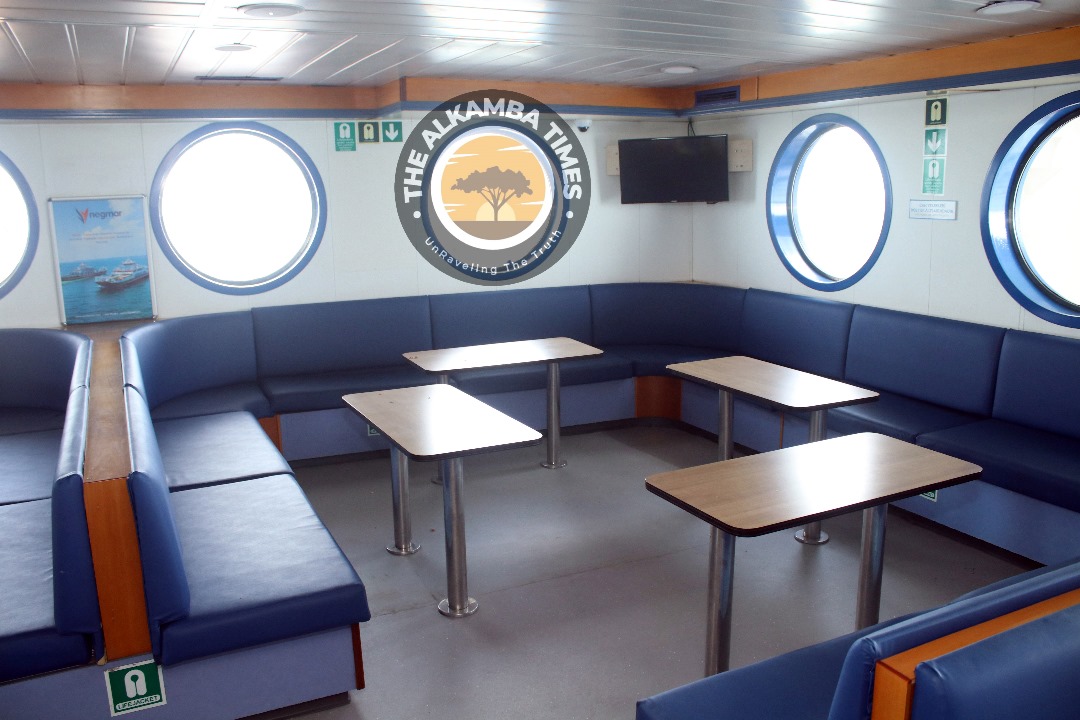
The Negmar ferry service is a significant step toward modernizing The Gambia’s river transport infrastructure. With its promise of enhanced reliability, greater capacity, and 24-hour operations, the service is set to transform how people and goods move across the country. Commuters can expect shorter waiting times, while traders will benefit from smoother logistics, potentially boosting commerce in the North Bank Region and beyond.
As The Gambia looks to the future, the success of the Negmar ferry service will depend on its sustainability and ability to deliver consistent, high-quality service. Stakeholders, including government authorities and Negmar, must ensure that the service operates responsibly and remains accessible to all Gambians. With these commitments in place, the ferry service has the potential to become a cornerstone of The Gambia’s transportation network, driving economic growth and improving the quality of life for its citizens.