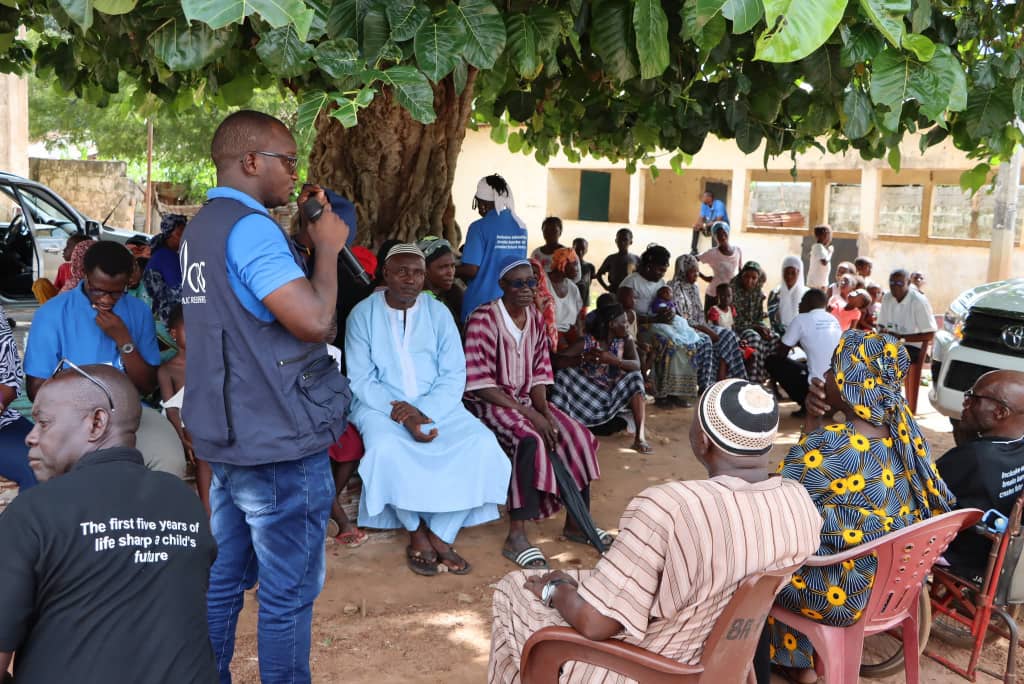
A nationwide advocacy caravan, spearheaded by Catholic Relief Services (CRS) and funded by the European Union, launched this week to promote inclusive education for children with disabilities across The Gambia. The initiative, part of the 30-month “Disability Inclusive Pathways: Empowering Children with Disabilities Through Education, Technology, and Play” project, aims to dismantle barriers, reduce stigma, and boost school enrollment for boys and girls with disabilities.
Partnering with the Gambia Federation of the Disabled (GFD), National Organization for Disabled and Orphans (NODO), Special Olympics, the Ministries of Basic & Secondary Education and Gender, Children and Social Welfare, and the National Council for Civic Education, CRS is driving a transformative campaign. The caravan seeks to engage parents in monitoring their children’s education, foster trust with school authorities, and promote shared responsibility for academic outcomes.
It also aims to raise awareness about disability rights, challenge societal stigma, and cultivate inclusive communities. Saidina Alieu Jarjou, CRS Project Manager, emphasized the urgency of the mission. “Many children with disabilities are denied their right to education,” he said. “Our goal is to enhance their rights, increase enrollment, and ensure retention in mainstream schools.”
Jarjou underscored the caravan’s role in educating parents and communities about the long-term benefits of inclusive education, particularly encouraging male parents to actively support their children’s academic progress. “No nation can develop if part of its population is left behind,” he added.
The caravan’s launch in the Lower River Region was warmly received by Governor Seddy Lamin Bah, who hailed the EU and CRS for their commitment. “This is not just an ordinary activity; it’s a vital step toward strengthening collaboration between government, stakeholders, and schools,” Bah said.
He reaffirmed the government’s pledge to create conducive learning environments where children with disabilities can thrive, aligning with national policies prioritizing inclusive education.
The campaign, backed by a €1.5 million EU grant, will traverse all regions, hosting community dialogues, school visits, and awareness sessions. By fostering parental involvement and advocating for accessible schools, the initiative aims to transform The Gambia’s educational landscape, ensuring no child is left behind.