By Ebrima Mbaye
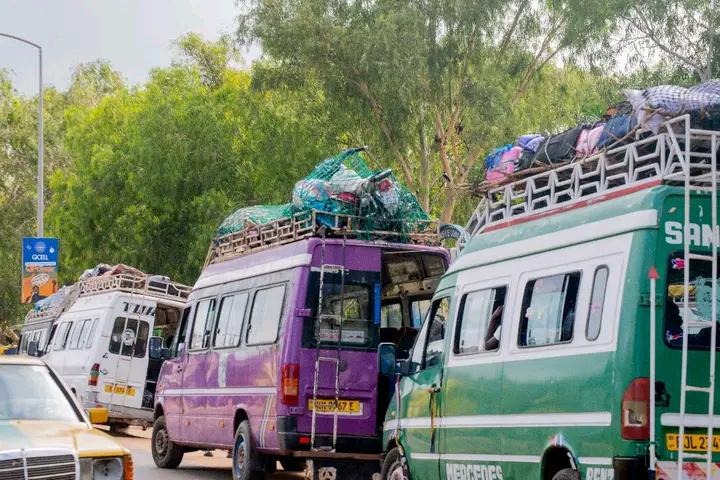
This September, over a hundred teachers from Kombo have embarked on a transformative journey, leaving behind the familiarity of urban life to serve in schools across Gambia’s rural heartlands. For many, this marks their first venture into the quiet, challenging world of villages far from paved roads, electricity, and the comforts of home. This annual migration of educators, while critical to the nation’s education system, often goes unnoticed, yet it carries profound human stories of sacrifice, resilience, and hope.
A Journey Beyond the Classroom
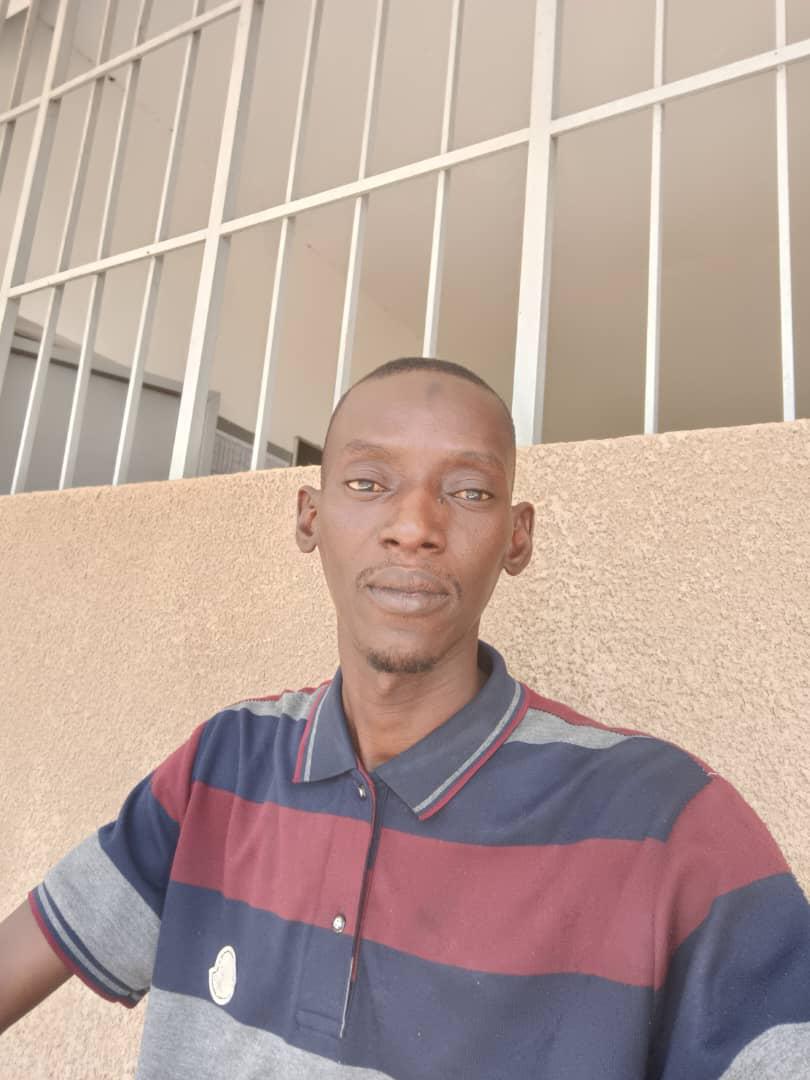
For these young teachers, the journey begins long before they step into a classroom. Saikou M. Fatty, an English and Literature teacher from Brikamaba, traveled 11 kilometers through bush paths and broken roads to reach Chargel Senior Secondary School. His arrival was a moment of pride mixed with trepidation. “No retreat, no surrender, despite leaving my comfort zone,” Saikou declared. “I am a proud teacher, proud to travel far to impact knowledge and values on vulnerable kids in this remote community.”
Nearby, in Sareh Silerreh, Ansumana Mamba, also from Brikamaba, faced his own challenges adapting to a new community. “You arrive as a stranger,” he said, reflecting on the isolation of rural postings. “But you stay because these children see you as their future.” For Ansumana, the transition meant not only teaching but building trust in a place where he is an outsider.
Samba Jallow, a Mathematics graduate from Brikama in the West Coast Region, echoed similar sentiments. “Teaching begins with adaptation,” he said. “You leave behind family, friends, and the easy life, and you start again in a village where you must build trust from nothing.” For Samba, every equation solved on a cracked blackboard represents a step toward a brighter future for his students.
The Harsh Realities of Rural Teaching
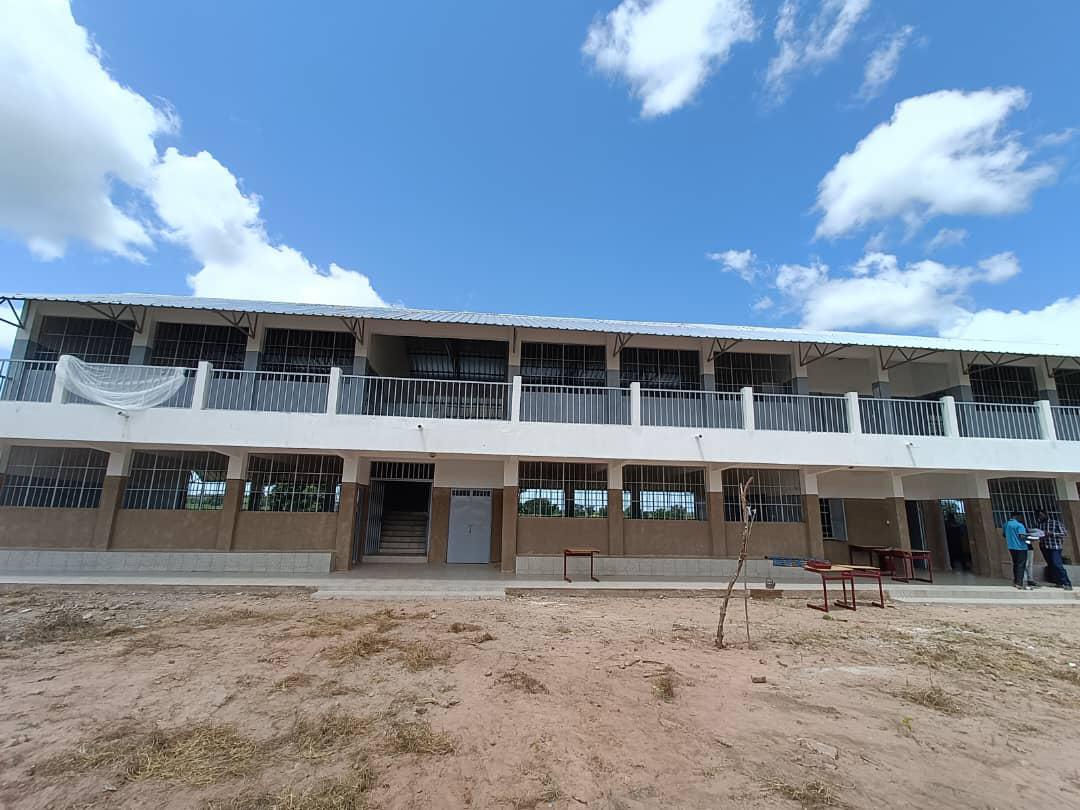
The reality of rural postings is often harsher than these teachers anticipated during their training. Staff quarters are scarce, forcing many to live in borrowed huts or shared rooms with strangers. Electricity is a luxury, with lesson plans often prepared by candlelight or the dim glow of a phone torch. Salaries, frequently delayed, barely cover basic needs like food and transport. For many, walking several kilometers to school is a daily routine.
Women teachers, in particular, face unique challenges. Fatoumata, a young teacher posted in Kusalang, Lower Fulladu, described the physical and emotional toll of her new life. “Sometimes I walk kilometers just to reach the main road to go to Brikamaba,” she said. “I eat what I don’t want to eat, but I continue because I know these children look up to me.”
Despite these hardships, the educators’ commitment remains unwavering. Their role extends far beyond teaching; in villages where poverty is pervasive, they become mentors, role models, and sometimes even guardians to their students.
A Nationwide Call to Action
The start of the new academic year on September 22, 2025, has brought renewed focus on the sacrifices of Gambia’s teachers. Momodou Baka Dem, Youth Programmes Officer and Communications Assistant at the Gambia Teachers’ Union, emphasized the critical role educators play in shaping the nation’s future. “Day in and day out, they go above and beyond to impart knowledge, inspire confidence, nurture values, and guide young people towards their future,” he said. “They are teachers, mentors, leaders, community builders, and changemakers.”
However, Dem stressed that dedication alone is not enough. “Education cannot move forward without adequate and consistent investment,” he warned. “Words of commitment must be matched with real action and resources.” He called for urgent improvements in school infrastructure, expanded opportunities for students in both rural and urban areas, and better support for teachers, including staff quarters and cadre-specific allowances to curb teacher attrition.
“Teacher attrition is not a theory; it is a reality,” Dem said. “When teachers leave, the system suffers, and ultimately, our children suffer.” His words resonate with the struggles of this year’s cohort of transferred teachers, who face long walks, unreliable electricity, and inadequate facilities while striving to deliver quality education.
Unsung Heroes of Gambia’s Future
The stories of Saikou, Ansumana, Samba, and Fatoumata are just a few among the more than one hundred teachers who have left Kombo for rural postings in places like Chargel, Sareh Silerreh, Niani, Kudang, Badibu, and Wuli. Each teacher is navigating a unique journey, adapting to new communities and shouldering responsibilities that extend far beyond the classroom.
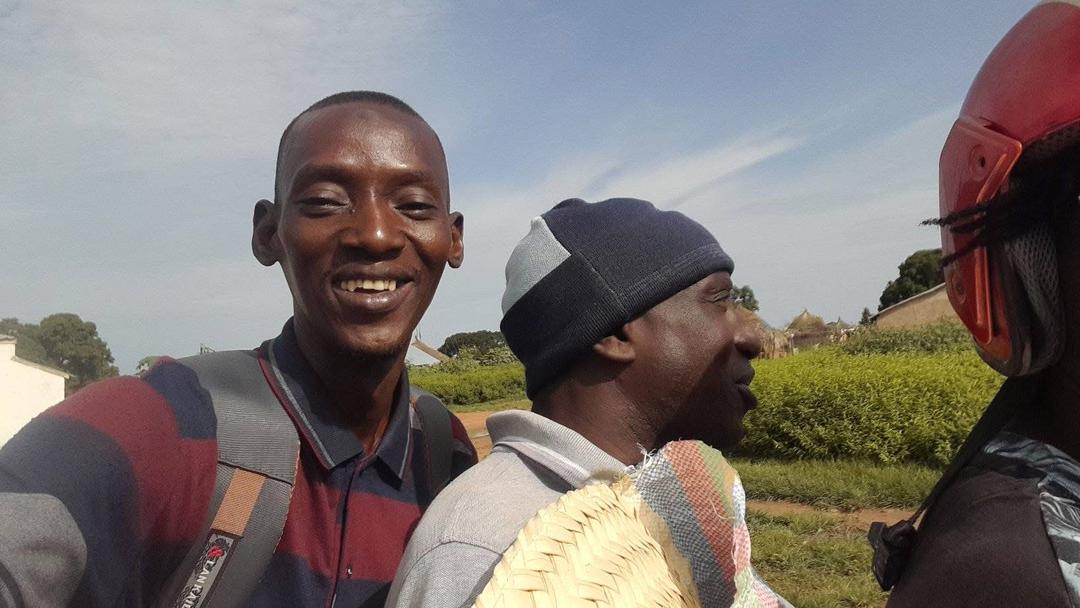
These young educators are the unsung heroes of Gambia’s education system. There are no headlines for the teacher who prepares lessons by phone torch or goes hungry to teach a class. Yet, in villages many Gambians will never visit, these men and women are holding the line for an entire generation.
Their work is not just about teaching; it is about sacrifice, survival, and service. It is about carrying chalk, books, and the heavy responsibility of hope into classrooms with cracked blackboards and limited resources. Despite the challenges, their dreams—and those of their students—stretch far beyond the confines of their circumstances.
For these hundred-plus teachers, the journey into rural Gambia is more than a transfer—it is a testament to their unwavering commitment to education and the promise of a better tomorrow.