By Ebrima Mbaye
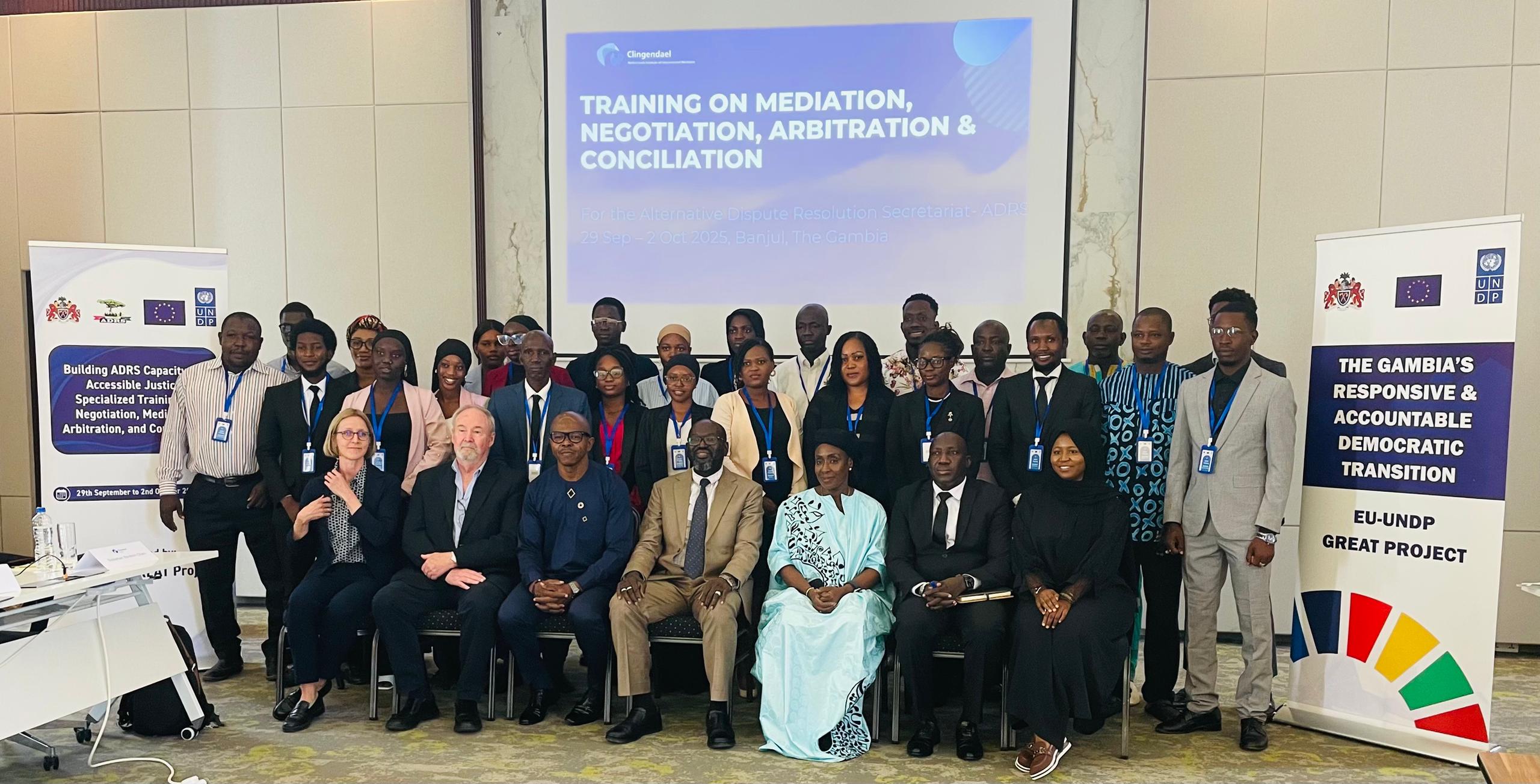
The Alternative Dispute Resolution Secretariat (ADRS) launched a four-day training program on Monday at the African Princess Hotel in Kotu, focusing on mediation, negotiation, arbitration, and conciliation. Supported by the European Union and the United Nations Development Programme (UNDP) through the EU-UNDP GREAT Initiative, the training aims to enhance the capacity of ADRS staff to deliver accessible and affordable justice to the Gambian people.
The initiative responds to a 2024 capacity needs assessment that identified gaps in mediation skills, institutional visibility, and resources. UNDP’s Head of Governance, Sainey Ceesay, described the training as a pivotal step toward strengthening access to justice. “ADRS serves as a vital bridge between statutory, Islamic, and customary legal systems, offering a less adversarial, affordable justice pathway,” Ceesay said. He emphasized that the training will equip staff to mediate disputes with greater professionalism, reducing court backlogs and boosting public trust.
Registrar General Abdoulie Colley, representing the Gambia government, highlighted the growing importance of ADR mechanisms, particularly following the enactment of the High Court Rules 2025. These rules mandate the use of ADR before filing civil cases, marking a shift toward more efficient and reconciliatory legal practices. “ADR reduces case backlogs, fosters community harmony, and empowers parties to shape their own solutions,” Colley said. “It is now a cornerstone of our civil justice framework.”
Established in 2005 by an Act of Parliament, ADRS alleviates pressure on formal courts, Cadi courts, and customary tribunals by providing alternative dispute resolution options.
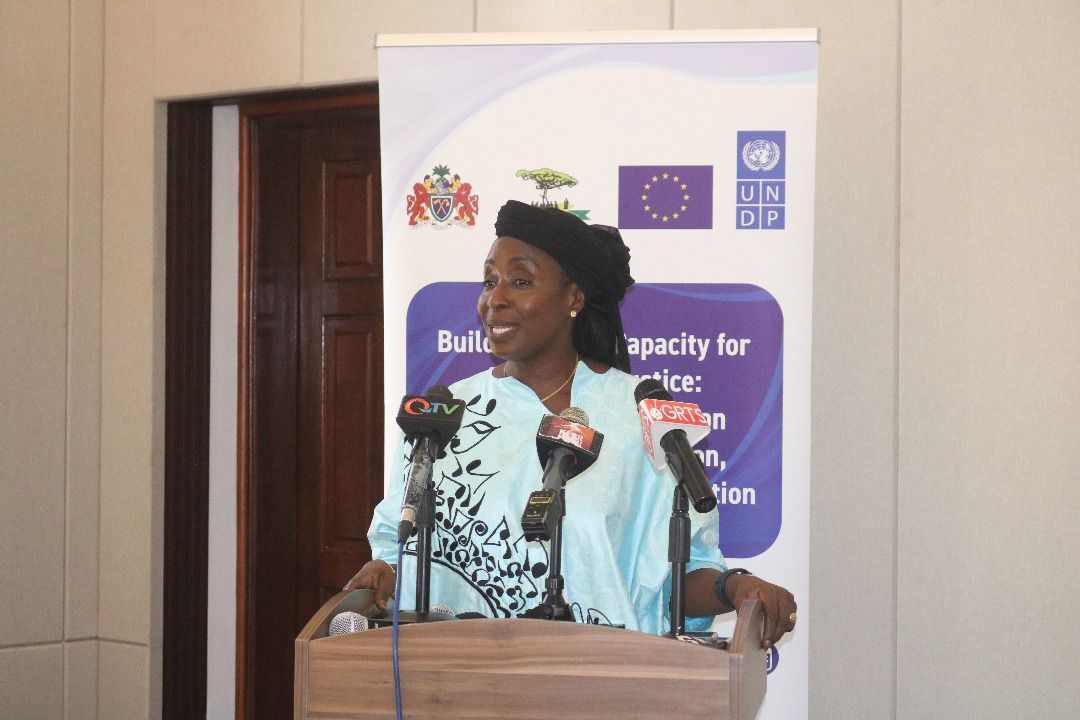
Executive Secretary Kumba Jow called ADRS staff “architects of trust and mediators of peace,” urging them to adopt global best practices tailored to The Gambia’s context.
The training aligns with The Gambia’s Recovery-Focused National Development Plan (2023–2027), which prioritizes governance, the rule of law, and citizen empowerment, as well as the UNDP’s upcoming Strategic Plan (2026–2029), which focuses on inclusive justice systems. With nearly half of the 25 participants being women, the program also promotes gender-sensitive approaches to conflict resolution.
Ceesay reaffirmed UNDP’s commitment to building a future where justice is accessible and transformative for all Gambians. “Let us ensure the Smiling Coast of Africa is a place where inclusive justice thrives,” he said.
The training is expected to enhance ADRS’s role in delivering efficient, community-centered justice, empowering staff to address disputes with neutrality and confidence while supporting The Gambia’s broader legal and developmental goals.