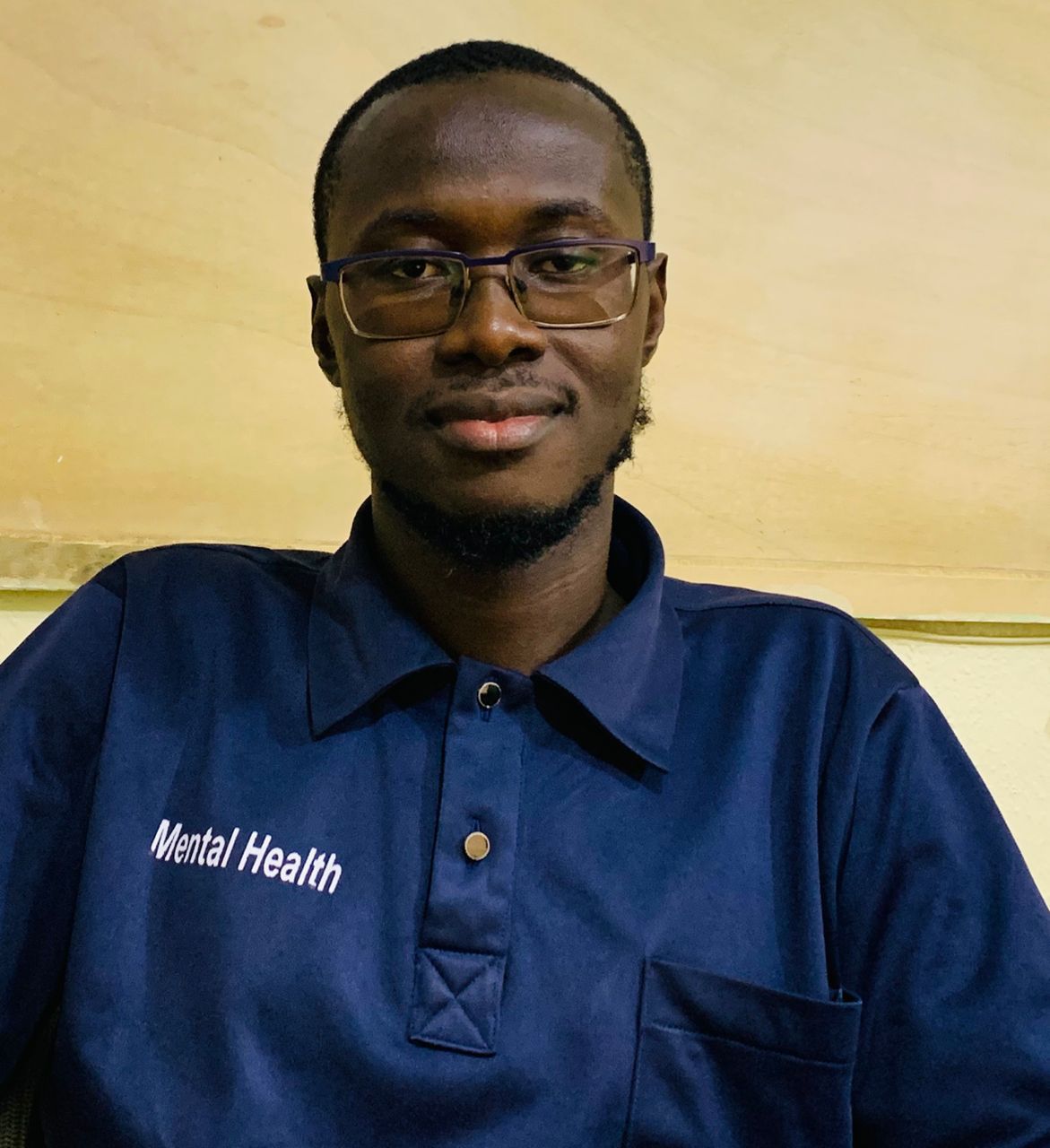
By Sainabou Sambou
In a nation where mental illness is often whispered as a curse from jinns or a mark of weakness, a quiet revolution is underway. Mental health awareness is advancing in The Gambia, driven by dedicated doctors, grassroots advocates, and survivors who refuse to let stigma silence their stories. Yet, deeply rooted misconceptions continue to delay treatment, worsen conditions, and leave thousands suffering in the shadows. With only one psychiatric hospital serving a population of over 2.5 million, the fight is as much about changing hearts as it is about expanding care.
At the forefront stands Dr. Bakary Touray, a psychiatrist at Tanka Tanka Psychiatric Hospital, part of the Edward Francis Small Teaching Hospital in Banjul. “Mental illnesses are curable,” Dr. Touray asserts firmly. “They are diseases that affect people, focusing mainly on the brain, just as other illnesses affect different parts of the body.”
He breaks down the science behind the suffering: three key factors drive mental illness. Predisposing elements include genetics, childhood trauma, or impoverished upbringings, making individuals more vulnerable. Precipitating triggers – the spark that ignites the crisis – range from bereavement and exam failures to job loss or fractured relationships, leading to what he calls “decompensation,” a mental breakdown. Perpetuating factors keep the cycle spinning; unresolved stress can cause relapses even after initial recovery.
The real barrier, Dr. Touray laments, is denial. “Most people associate it with spiritual problems,” he says. “They only believe someone is mentally ill when they see that person walking naked or shouting in the streets.” Families often turn to traditional healers first, arriving at the hospital only when conditions have worsened. The facility treats everything from mild depression and anxiety to severe psychosis, offering outpatient care or admission for the worst cases.
Treatment is a rare bright spot: entirely free, courtesy of government support. No consultation fees, and admitted patients receive medication, three meals a day. Recovery timelines vary – some rebound in two weeks, others longer – with men comprising the majority, mainly due to substance abuse links. “There is no health without mental health,” Dr. Touray urges. “Even if you are physically fit, you cannot be truly healthy if your mind is not stable.” He calls on the media to dismantle myths, insisting proper treatment allows whole, everyday lives, akin to managing diabetes or hypertension.
Grassroots efforts amplify this message. Muhammed Mbaye, Secretary General of the Hemda Disabled Association, leads a volunteer-driven group born from familial compassion for the “most vulnerable.” Operating from a renovated dormitory as a makeshift office, Hemda relies on membership fees and modest donations – no government aid. Members pool funds for food, clothing, and even home-building.
Despite pushback over sharing photos for transparency, Mbaye remains undeterred. “They are human beings,” he declares. “They deserve love and support, not neglect.” Teams scour communities, providing care, meals, and water; gentle persuasion is used when resistance arises. Over 100 people have been helped, with 25 showing marked improvement and two achieving full recovery. Hemda’s dream: a rehabilitation center in Jara Soma, as Tanka Tanka focuses on treatment, not reintegration. Mobility hampers outreach; vehicles top their plea for support.
Dawda Suso’s transformation embodies hope. Once an alcoholic in a dilapidated home, mocked as “mad” and stripped of community respect, he hit rock bottom. “I thought my life was finished,” he recalls. Hemda’s intervention changed everything: medical bills were covered, a new house was built, and employment was offered. Now sober and a youth leader with the group, Suso visits others in crisis. “They treated me with love and respect, like family,” he says. “People like me are not useless. We need someone to care.”
Broader advocacy is led by Modou Gaye, Vice Chairman of the Gambia Federation of the Disabled and head of the Association for the Mentally Disabled (AMDG). Human rights abuses against patients are rare in monitored hospitals and prisons, he notes, but rampant at home or on the streets. AMDG trains youth on stress, drug-induced psychosis – a key trigger. “The youth must be educated,” Gaye stresses.
Even traditional healer Malick Ndure, an Arabic teacher, bridges worlds. Treating “spiritual problems” like jinn possession with the Quran and herbs, he claims success in seven of ten cases but advises hospital visits first. “If doctors confirm it’s not medical, that’s when we help,” he says, noting men are most affected.
The World Health Organization defines mental health as well-being that enables stress-coping, productivity, and community contribution – not just the absence of illness. In The Gambia, the Demographic Health Survey estimates that 13% of the population is affected, comprising 324,000 people, with 81,000 severely affected. Yet, Tanka Tanka’s 100 beds and single outpatient clinic struggle to cope under the load.
As awareness grows, so does the call: destigmatize, educate, expand. Survivors like Suso prove the reality of recovery; advocates like Mbaye demand resources. In this West African nation, mental health’s dawn is breaking – but whole light requires a collective will to erase the shadows of shame.