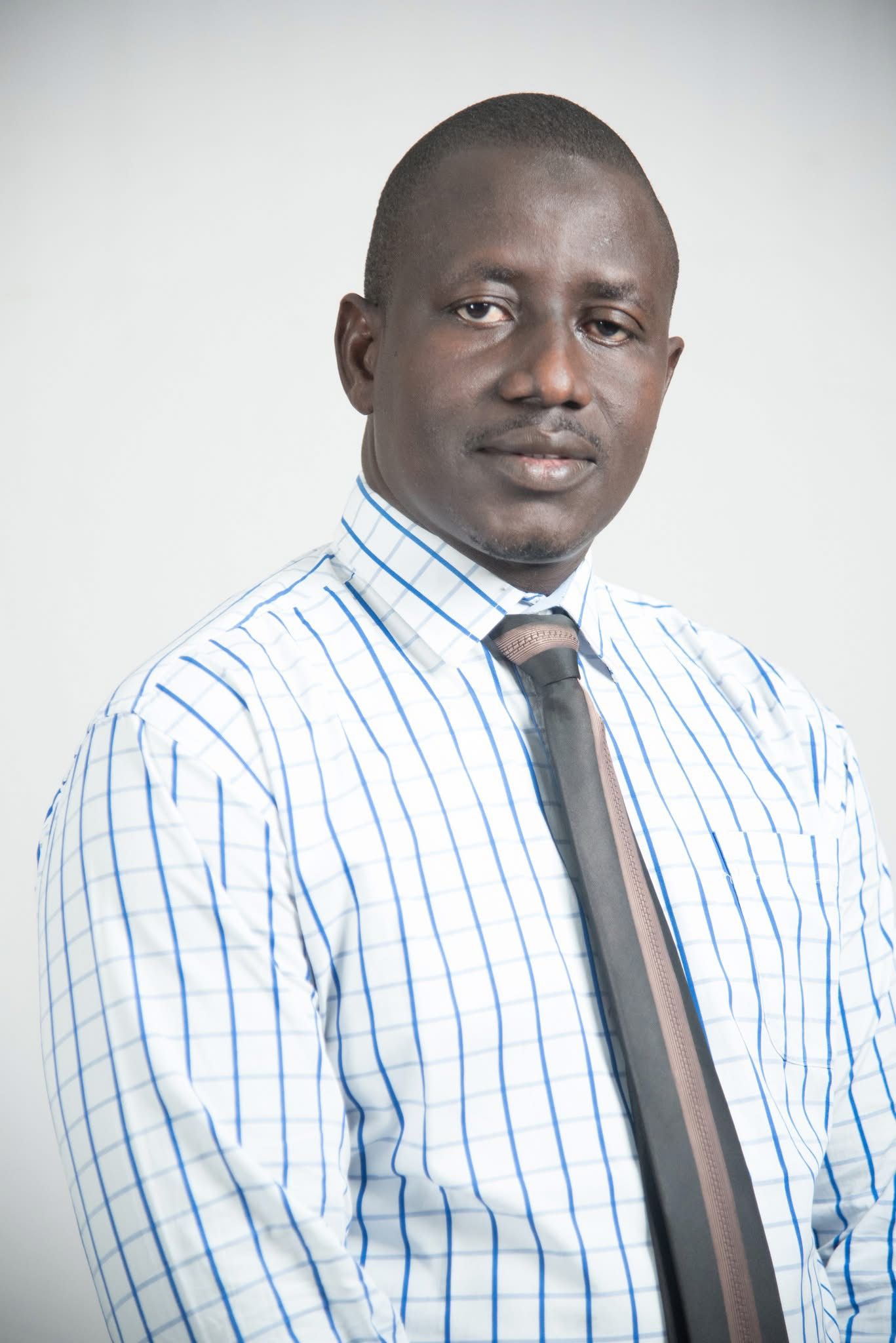
Landing Sanneh, Chairman of the Mansa Konko Area Council, has issued a scathing statement questioning the prolonged presence of ECOWAS (ECOMIG) forces, particularly Senegalese troops stationed at the State House, nearly nine years after a bloodless political impasse in 2017. Labeling the situation a compromise of Gambian sovereignty, Sanneh urged President Adama Barrow’s government, ECOWAS, and Senegal to justify or end the deployment immediately.
In his statement titled “Over Stay of Foreign Forces in The Gambia (Senegalese Forces at the Gambian State House), A Necessity or Convenience,” Sanneh argued that the continued occupation undermines The Gambia’s independence and integrity. “It is getting too late that we, the Gambians, are accepting our independence, integrity, and sovereignty being indiscriminately compromised in broad daylight,” he wrote, contrasting the scenario with Senegal’s post-colonial rejection of French military presence.
Sanneh drew historical parallels, noting that former President Dawda Jawara swiftly reformed security after the 1981 coup attempt, despite significant casualties, and promptly ended Senegalese military involvement in the country. He criticized Barrow for reportedly boasting of greater power than his predecessors, Jawara and Yahya Jammeh, due to ECOWAS backing, suggesting this enables the “bullying” of opponents and serves as patronage rather than national interest.
The chairman posed pointed questions: What transformative activities do these forces perform beyond checkpoints and presidential escorts? Are the Gambian armed forces incapable of such duties? Is there ongoing skills transfer justifying their stay? He emphasized that securing the president and citizens is The Gambia’s prime responsibility, not to be outsourced.
“No serious sovereign country will accept that, certainly not our neighbour, Senegal,” Sanneh stated, warning that the presence sends a damaging message about Gambian stability and erodes the nation’s sub-regional standing built by the founding fathers. He acknowledged ECOWAS and Senegal’s crucial role in resolving the 2017 crisis but insisted that overstaying defeats the gesture’s purpose.
Sanneh called for transparent explanations from Barrow’s administration, ECOWAS authorities, and Senegal on the rationale for suppressing national security infrastructure. “Since then, there has never been any sign of instability and chaos to warrant the continuous stay,” he asserted, advocating reforms to empower local forces.
While valuing regional ties—shared history, culture, religion, and geography with Senegal—Sanneh stressed these cannot come at the expense of sovereignty. “Friendship among nations is vital. Regional cooperation is essential,” he said, but urged withdrawal to let Gambian forces “take care of our country’s security.”
The statement has sparked debate amid The Gambia’s post-impasse recovery.
ECOWAS initially deployed ECOMIG in January 2017 to enforce Barrow’s election victory after Jammeh refused to step down from office. Mandates have been extended multiple times, with the latest extension in 2023 citing the need for stabilization; however, critics argue that these extensions lack clear benchmarks.
Government spokespersons have not responded officially, but Barrow has previously defended the forces as a means of bolstering capacity. Senegal, contributing the largest contingent, views the mission as stabilizing a key neighbor.
Sanneh concluded: “We cannot continue being mute about this any longer… allow our country to breathe a sense of sovereignty.”