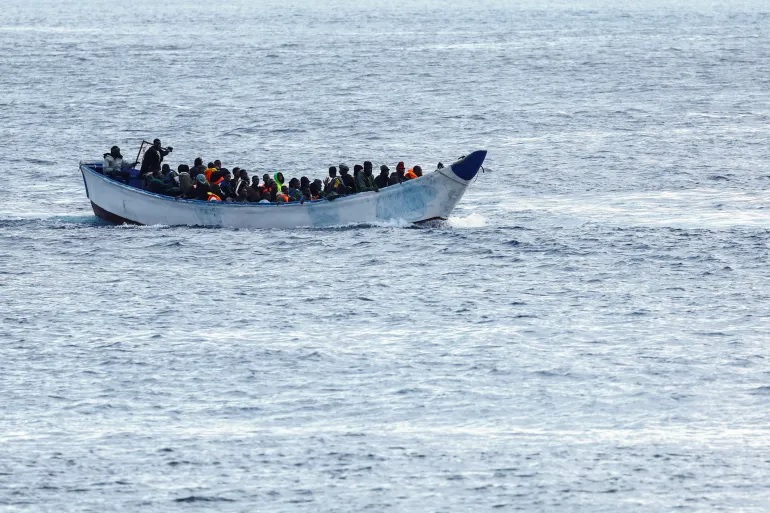
In a dramatic rescue off the Atlantic coast, the Moroccan Royal Navy intercepted a crowded wooden pirogue carrying over 200 migrants from Lamin village in Gambia on Monday evening. The vessel, which departed under cover of darkness laden with men, women, and children dreaming of Europe, was halted en route to the Canary Islands. Survivors, reached by phone, described exhaustion and dizziness after days adrift, but reported no fatalities aboard.
“My colleague spoke directly to families who heard from their loved ones on the boat,” said Ebrima Drammeh, a prominent Gambian migration activist tracking the crisis via his “Migrant Situation” network. “They’re alive but weakened—dehydrated, seasick, and terrified. The navy provided aid, yet the interception highlights the deadly risks of this route.”
The Lamin boat’s rescue offers rare relief amid a mounting tragedy. Three other vessels, totaling hundreds more passengers, remain missing after setting sail last week. One left Burufut on Gambia’s coast at 1 a.m. on Sunday, October 26, packed with migrants of various nationalities. Two more departed Nuimi Jinack on October 27, each brimming with families fleeing poverty and unemployment.
Eight days have passed since the Burufut boat vanished; seven for the Nuimi pair. No signals, no sightings. Relatives in coastal villages hold tearful vigils, pleading for international search efforts. “We beg authorities—intensify patrols, deploy satellites,” urged one mother of the migrants in Jinack. “Bring our children home, dead or alive.”
These disappearances echo a grim pattern on the world’s deadliest migration corridor. Overloaded pirogues battle towering waves, engine failures, and starvation. EU-funded patrols in Morocco and Mauritania intercept thousands annually, but critics, like Drammeh, blame aggressive tactics for capsizing.
As winter storms loom, activists warn of escalating departures driven by Gambia’s 18% inflation and youth joblessness. “Safe legal pathways, not graveyards at sea,” Drammeh demanded. For now, four boats— one saved, three lost—underscore a desperate exodus with no end in sight.