Story: By Kebba Ansu Manneh and Photography by Momodou Gagigo
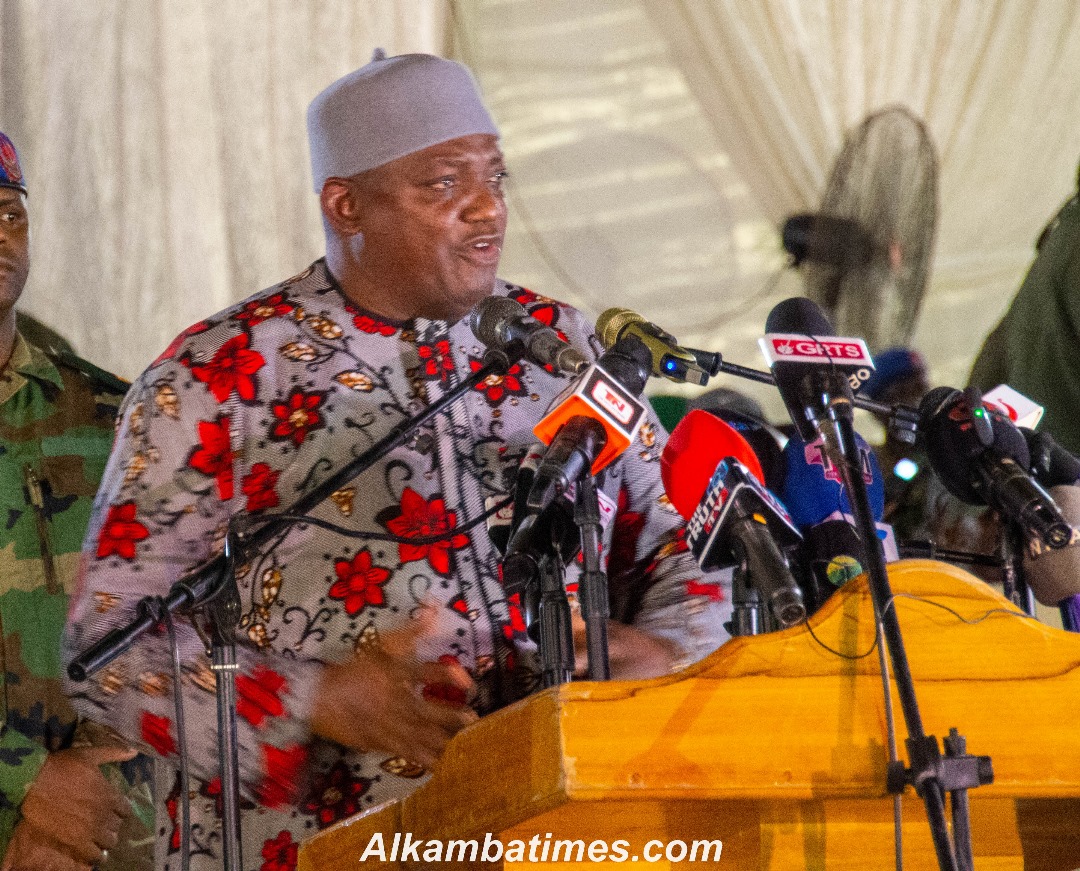
President Adama Barrow officially inaugurated the 84.5-kilometre Hakalang Road Network on Saturday, declaring an end to “decades of brutal hardship” that left Upper Nuimi and surrounding districts cut off from essential services and economic opportunities.
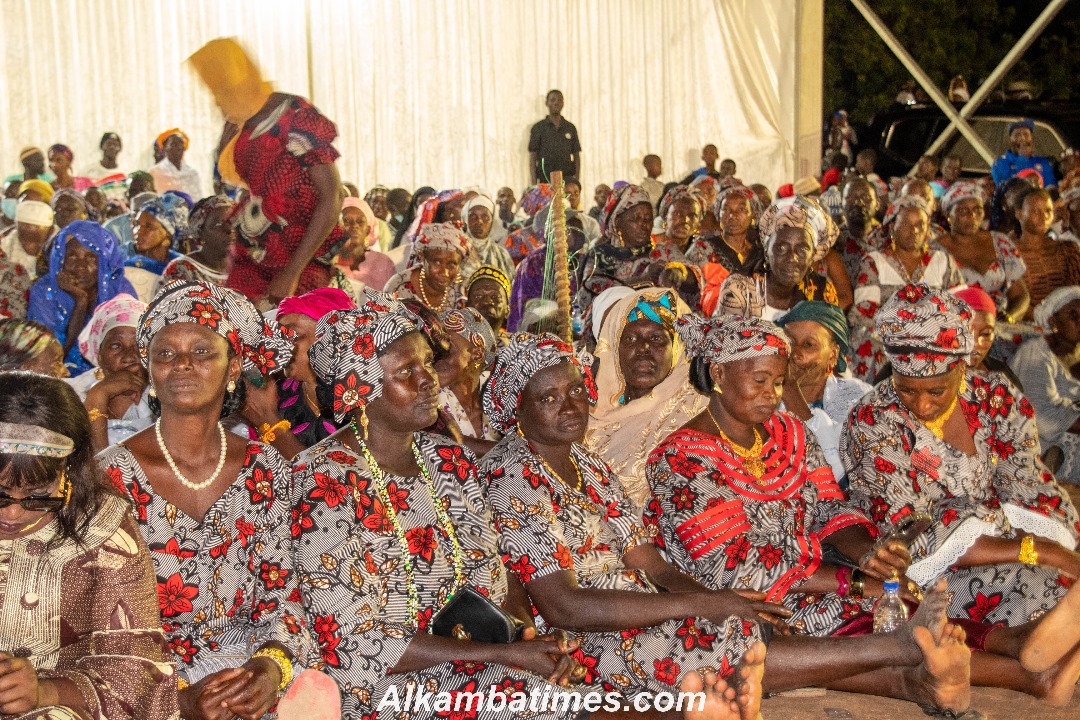
Speaking before thousands of jubilant residents at historic Juffureh, the President described the Chinese-funded infrastructure as more than asphalt and bridges. “This road is progress. This road is unity. This road is inclusive development delivered by a Government of the people, for the people,” he said.
For generations, communities in Upper Nuimi and Jokadu endured treacherous journeys on dusty, flood-prone tracks. Farmers lost crops as they waited days to reach markets. Pregnant women risked their lives travelling to hospitals. Children walked hours to school. Traders abandoned perishable goods rather than face impassable roads.
“Engineers originally planned 84.7 km linking over 30 villages, but strategic adjustments delivered 84.5 km of modern, all-season highway. The completed corridor now connects remote settlements directly to Barra, the trans-Gambian highway, and Senegal’s southern border, slashing travel times from six hours to under ninety minutes. “Access to schools, healthcare, and markets was a nightmare,” President Barrow told the cheering crowd. “Today we close that dark chapter and open boundless prospects with fitting dignity for every citizen of Nuimi.”
The project marks a cornerstone of the National Development Plan and fulfils Barrow’s 2016 campaign pledge to prioritise North Bank infrastructure. Since taking office, his administration has electrified dozens of NBR communities, built modern schools, expanded health facilities, and now delivered the region’s first major paved artery.
Tourism is already surging. Visitors to Juffureh, Albreda, and Kunta Kinteh Island – UNESCO World Heritage sites tied to the trans-Atlantic slave trade – previously faced daunting detours. The new road positions Nuimi as The Gambia’s emerging heritage corridor.
Acting National Roads Authority Director Sulayman Suwareh Janneh praised the “impeccable workmanship” by CSE Construction Company and consultants, while Upper Nuimi Chief Mamadou Chatty Cham called the inauguration “the happiest day in living memory.” North Bank Regional Governor Lamin Queen Jammeh predicted that agricultural output would double within two seasons as farmers gain access to fertiliser, markets, and credit.
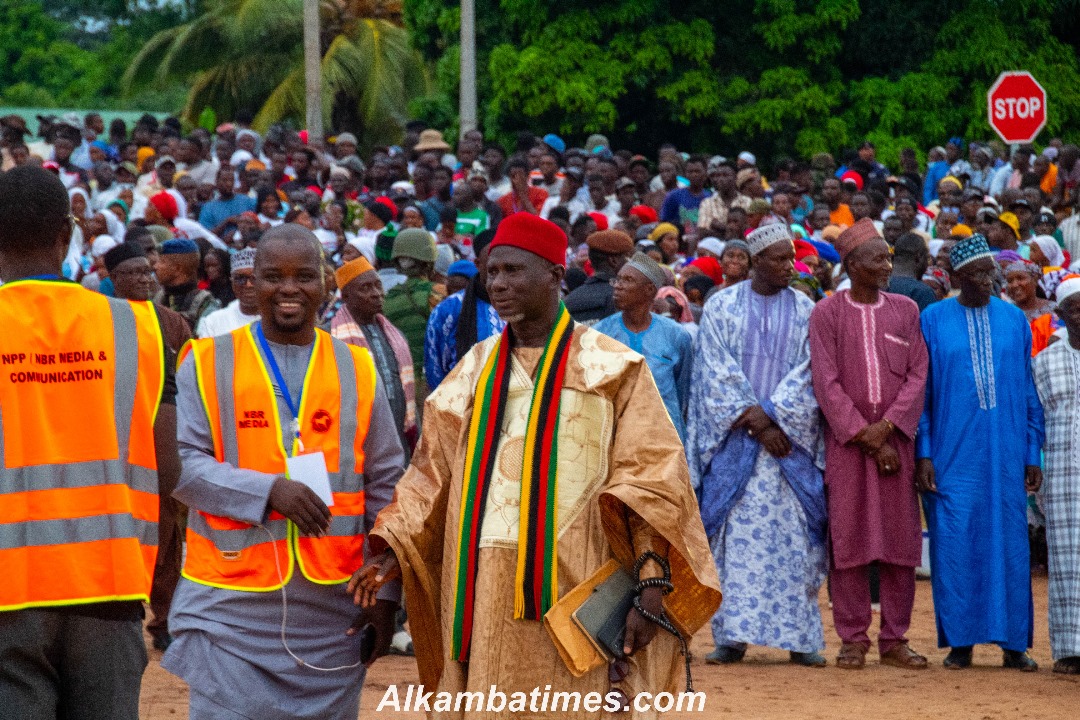
President Barrow reserved special praise for residents who endured years of disruption during construction. “Your patience, resilience, and patriotism made this possible,” he said. “This road belongs to you.”
He also commended the Ministry of Finance for mobilizing funds and the Ministry of Transport, Works, and Infrastructure for their tireless coordination, which kept the project on schedule despite global supply-chain challenges.
As traditional drummers and kankurang dancers performed under the Juffureh baobab, elders wept openly. Fatou Jallow, 72, who lost two children to preventable illnesses because ambulances couldn’t reach her village, clutched her grandson and whispered: “My grandchildren will never know that suffering.”
With the Hakalang Road now open, Upper Nuimi steps out of isolation into an era its people have awaited for sixty years – since The Gambia’s independence. For President Barrow, the ribbon-cutting ceremony was more than just a formal occasion; it was the fulfillment of a promise that had been kept.