By: Momodou S Gagigo
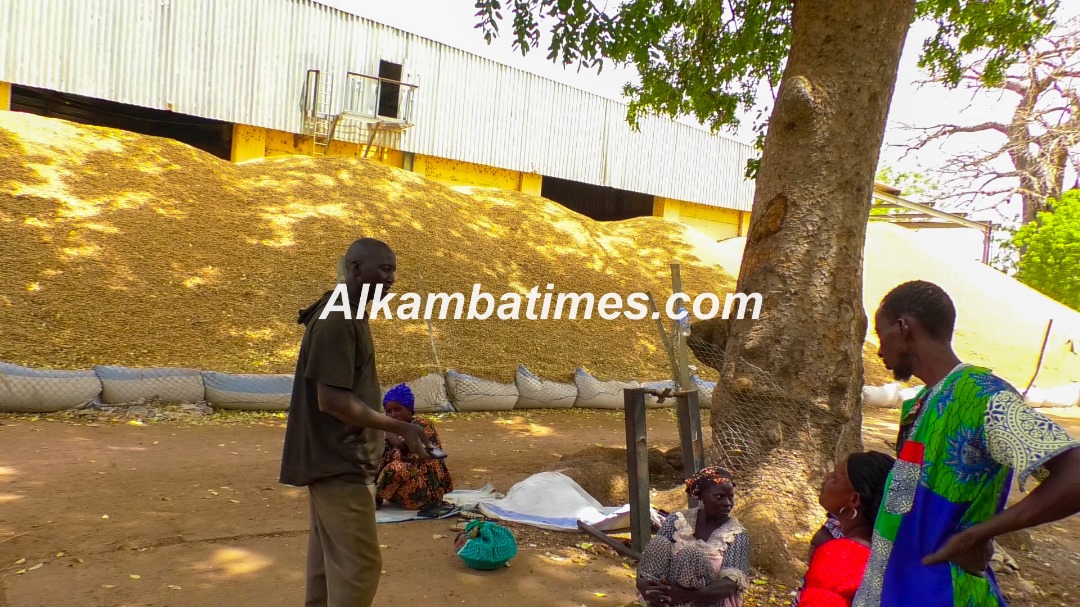
A wave of jubilation is sweeping across Gambian farmlands as farmers report what many are calling the country’s most promising groundnut season in years, fueled by timely rains, favorable climate, and improved farming practices. Groundnuts, the backbone of The Gambia’s rural economy and its largest agricultural export, are expected to deliver a bumper harvest that could transform livelihoods—if the government delivers on timely purchases and fair prices.
From the banks of the Gambia River to the eastern reaches of Fulladu, farmers are describing yields they haven’t seen in a generation.
“This year has been a great year for many farmers and me around here. The yields are healthy, and we’re thankful for the rains,” said Adama Secka, a farmer in Mamoutfana village in the southern Central River Region of the country.
In Basse, Assan Bah beamed with disbelief: “It’s been a very long time since I’ve experienced such a bumper harvest. I cultivated a small field, but the miracle popped up with a very high yield.”
Awa Gaye, a champion farmer in Boiram, added: “I was amazed at first, then I heard my fellow farmers in the region bursting with delight. It’s a season of abundance!”
Yet beneath the excitement lies anxiety. Many farmers fear that an oversupply could depress prices, and past delays in government purchases through buying points (Seccos) still haunt memories.
“The harvest is excellent, but my fear is whether the groundnuts will attract a good price due to the high availability,” said Alieu Gagigo of Wellingara Ba.
In Sare Samba, Lower River Region, Ebrima Jallow and Saikou echoed the sentiment: “The delay in rainfall actually brought about this great harvest. But our fear is—what will the government do to purchase our groundnuts?”
Farmers in Niani district, including Saidou Njie and Biram Jallow, remain cautiously hopeful. “The rain was really in our favor this year—timely and the climate too was favorable,” Njie said. Jallow added, “We’re hopeful, but we need a good market.”
Stepping into the spotlight this season is the National Food Security, Processing and Marketing Corporation (NFSCPM), which on Monday launched an ambitious digital transformation of the groundnut trade. At a training session in Banjul, Secco managers were introduced to a new digital payment platform, updated operational procedures, and advanced screening machines designed to ensure higher quality standards.
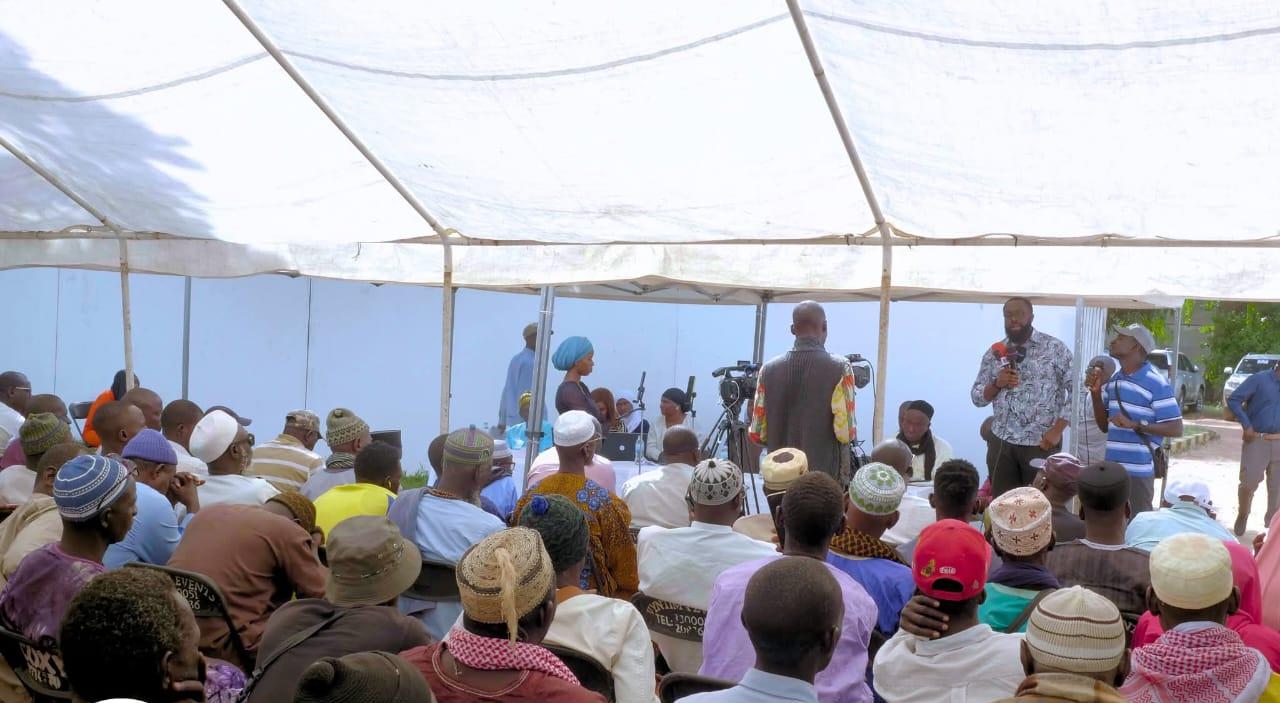
Robert Thomas, NFSCPM’s Director of Strategic Planning and Development, declared: “Embracing digitalization is essential; it’s the new way of conducting business.”
Managing Director Muhammad Njie stressed seamless collaboration: “We want no difficulties getting products to us.” Deputy MD Sanyang described the platform as “user-friendly” and urged stakeholders to “safeguard our resources.”
One Secco manager, speaking anonymously, admitted the scale of this year’s harvest is daunting. “The season is overwhelming… we’re thinking if we can purchase it all. The Senegalese ‘banna-banna’ traders are an alternative if the government delays,” he warned, referring to cross-border buyers known for quick cash payments.
As combines and donkey carts begin hauling sacks to collection points, the coming weeks will determine whether 2025 becomes a landmark year for Gambian agriculture—or another chapter of dashed hopes. For thousands of smallholder families, everything now hinges on the price the government is willing to pay for their golden harvest.