By: Aja Beyai
The Westminster Foundation for Democracy (WFD) has unveiled a damning report exposing the escalating financial burdens of political participation in The Gambia, warning that skyrocketing costs are sidelining women, youth, and persons with disabilities from elected office and entrenching elite control.
Titled “Cost of Politics in The Gambia: A Gender Inclusive Assessment,” the study highlights how nomination fees for parliamentary candidates have ballooned to D150,000 – a 30-fold increase from the previous D5,000 – following the passage of a new Elections Bill in September 2025. This barrier, combined with rampant “social giving” at funerals, weddings, and religious events, has made politics prohibitively expensive for most aspirants.
Survey data reveals stark disparities: 70% of candidates spent under D1.1 million, but half exceeded D3.3 million, with social contributions emerging as the largest expense category. Women face disproportionate hurdles; despite comprising 57% of registered voters, they hold just five of 58 National Assembly seats. Notably, 64% of female respondents said being a woman made campaigning more costly, compared with only 24% of men.
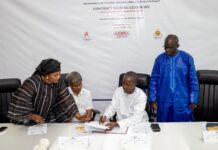
At the launch event, attended by lawmakers, former leaders, and emerging voices, WFD Country Director Tabu Njie Sarr called for immediate reforms. “This trajectory risks excluding marginalized groups, stifling competition, eroding accountability, and reinforcing elite dominance,” she cautioned.
Honorable Kebba Tumani Sanneh, a member of the National Assembly’s Gender Committee who officially launched the report, credited women for his success. “I am who I am today because of the women,” he declared, urging male colleagues to champion female leadership.
A panel discussion, moderated by Imran Dabo and featuring Honorable Khalifa Saleh (likely Khalifa Sallah) and former Vice President Fatou Jallow-Tambajang, delved into systemic flaws. Saleh decried how elections have shifted from public service to privilege, blaming outdated provisions in the Elections Act and Constitution. Jallow-Tambajang, drawing from her trailblazing experience, encouraged women to believe in themselves: “Women are climbing the ladder – leave it for the young women coming behind.”
The report and discussions underscore an urgent need for constitutional and electoral reforms to dismantle financial and structural barriers, ensuring Gambian politics reflects its diverse populace rather than the wealthy few.