By: Sainabou Sambou
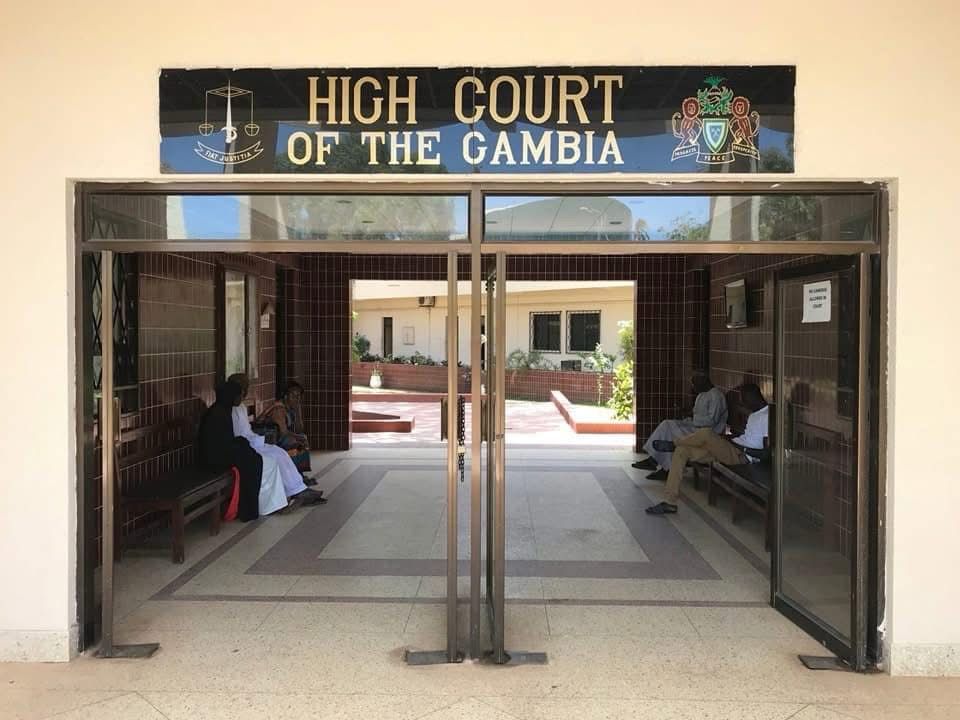
In a landmark ruling delivered on December 15, 2025, Justice Oledi Uko Uduma of the High Court in Banjul has quashed the rape conviction of Muhammed Jobe and ordered his immediate release from custody. The decision marks a significant reversal of the Essau Magistrates Court’s July 30, 2024, judgment that had sentenced Jobe to ten years’ imprisonment with hard labour.
Jobe had been found guilty of raping a 15-year-old girl and was also ordered to pay the victim D200,000 in compensation, with an additional five-year sentence imposed in default of payment. He appealed the conviction on four grounds, arguing that the trial magistrate committed serious procedural and evidential errors.
During the appeal hearings, N. Njie represented the state, while Jobe’s counsel, M. M. Barrow, represented the accused. The High Court proceeded to hear the matter on the grounds filed and the trial record.
Justice Uduma, in a detailed judgment, identified multiple flaws in the lower court’s proceedings. The court held that the trial magistrate failed to conduct a preliminary examination to determine whether the child complainant understood the nature of an oath before giving sworn evidence. Although the witness appeared intelligent and coherent, the absence of any recorded inquiry into her competency constituted a procedural irregularity.
The judge further criticized the magistrate’s treatment of the police investigative report and Jobe’s cautionary statement as full confessions. In those documents, Jobe admitted to taking the girl to his house, giving her money, and undressing both himself and the girl, but he consistently denied having sexual intercourse. The High Court ruled that these statements amounted only to partial admissions, not confessions, and should not have been treated as conclusive proof of guilt.
The court also examined the medical report, which found “no hymen, no bleeding or blood stain, no bruises, and no injury seen.” Justice Uduma noted that the complete absence of physical evidence of sexual penetration cast serious doubt on whether intercourse had occurred.
Combining these findings, the judge concluded that the prosecution had failed to prove the essential elements of rape beyond a reasonable doubt. The cumulative effect of the procedural lapses, the mischaracterization of the statements, and the inconclusive medical evidence created reasonable doubt about Jobe’s guilt.
Declaring that the trial had resulted in a miscarriage of justice, Justice Uduma allowed the appeal in full. The conviction was quashed, the ten-year prison sentence with hard labour was set aside, the D200,000 compensation order was cancelled, and Muhammed Jobe was acquitted and discharged.
Jobe, who had been in custody since his conviction, was released from Mile 2 Central Prison immediately following the High Court order.