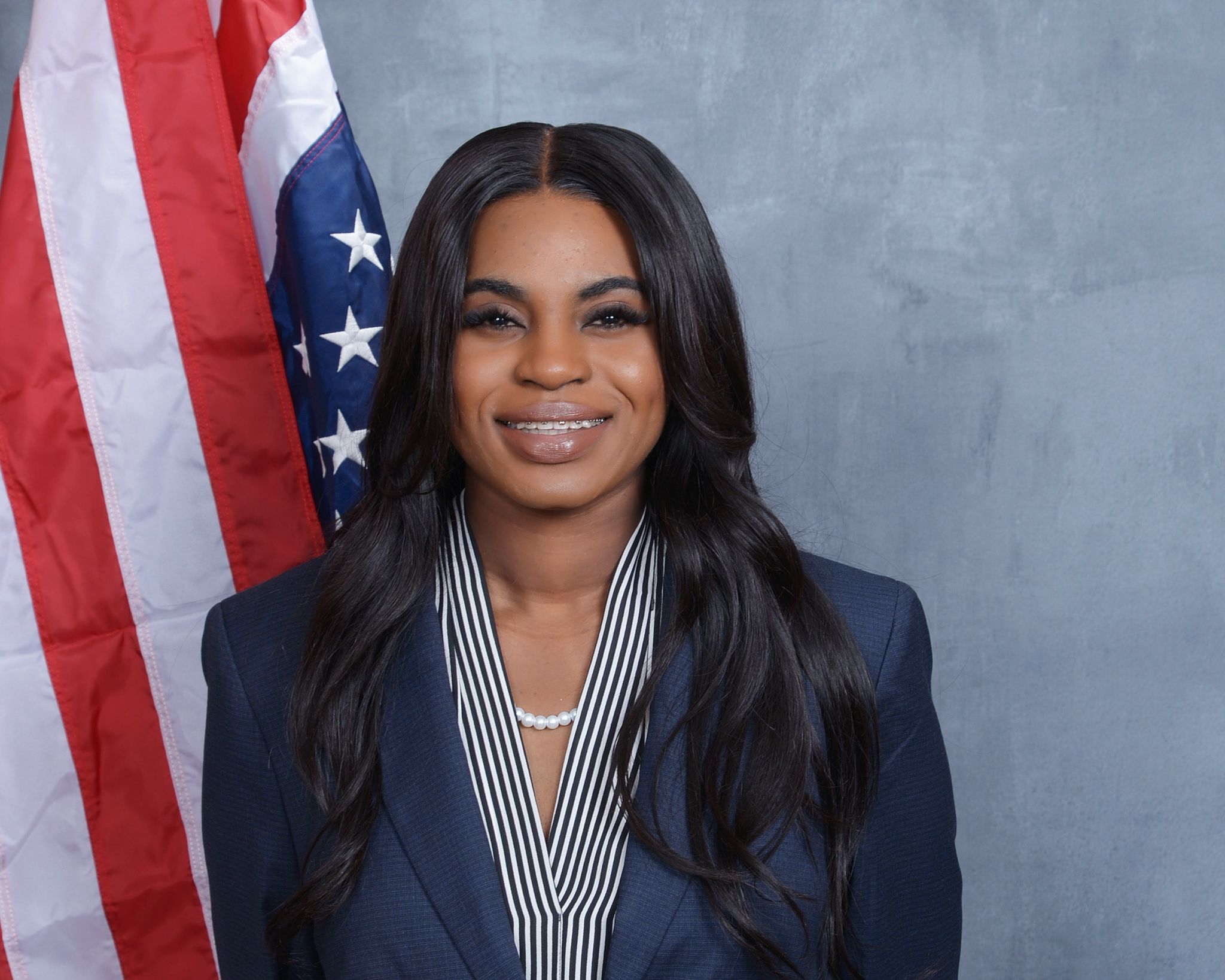
In a community where diverse voices are increasingly shaping local leadership, Yai Ceesay, a Gambian immigrant and resident of Puyallup, Washington State, United States, has announced her intention to run for the Puyallup School District Board in 2027.
Drawing from her journey across continents, her professional expertise in housing stability, and her deep commitment as a parent and advocate, Ceesay aims to bring lived experience and practical solutions to the board, focusing on education equity, student stability, and fiscal responsibility.
Born in The Gambia and partially raised in the United Kingdom, Ceesay arrived in Washington state years ago, where she has built a life rooted in the values of collective responsibility and education. “I came from a culture and family where education was deeply respected, even when resources were limited,” she explains. “Families, neighbors, and elders all played a role in raising and guiding children. That sense of collective responsibility shaped who I am.”
As a parent with children attending schools in the Puyallup district, Ceesay has firsthand insight into the challenges families face. Her professional role as an asset manager—recently highlighted as a milestone when she became the first Gambian woman to serve in King County’s Homeownership Program—centers on public housing and homeownership initiatives. She sees an unbreakable link between stable housing and academic success.
“A child cannot thrive academically without stability at home,” Ceesay says. “In my role managing public housing and homeownership programs, I see how instability—frequent moves, overcrowding, financial stress—directly impacts student success. It’s a revolving door of trauma and stress.”
This connection drives her candidacy. Serving on the school board, she believes, would enable her to align housing realities with educational policy. Her background equips her with skills in fiscal responsibility, accountability, and long-term planning—essential for governing a district serving thousands of students across Puyallup’s schools.
Ceesay strongly supports school levies, viewing them as a shared investment in quality education. “They directly fund teachers, classroom resources, counseling, special education services, and safe learning environments—including security amid concerns over gun violence,” she notes. As a homeowner and taxpayer, she emphasizes that contributing to levies supports the entire community’s future, not just individual families.
Representation is central to her vision. “Representation matters in local education,” Ceesay stresses. She pledges to ensure all Puyallup families feel heard through consistent presence—attending school events, PTA meetings, sports games, and community forums. “Many people disengage not because they don’t care, but because the process feels distant or confusing,” she observes. Her approach is accessible, data-driven, and practical: bringing community concerns into board discussions and ensuring policies reflect real classroom and neighborhood experiences.
Local encouragement has been pivotal in her decision. From family, educators, neighbors, and community leaders, the support affirms a desire for “steady, practical leadership focused on students and teachers.” Ceesay underscores her insider perspective: “I am not an outsider looking in. I am a resident of this district with children attending schools here.”
She is particularly passionate about advocating for children on the autism spectrum and those with disabilities, ensuring they receive optimal care and support within the district.
For young people and fellow immigrants considering public service, Ceesay offers straightforward advice: “Your voice matters right now, not someday. Leadership starts with showing up, being a law-abiding citizen, listening, and being willing to learn.” She urges involvement at the grassroots level—volunteering at schools, attending meetings, and supporting local initiatives.
If elected, Ceesay envisions success in her first year through deep listening and collaboration. Priorities include strengthening partnerships to address homelessness, food insecurity, and other barriers to learning; early intervention for students with special needs; support for foster youth; and resources for educators. “If families feel heard, educators feel supported, and students—especially our most vulnerable—are better served, that will be a meaningful impact,” she says.
Ceesay’s announcement highlights a growing narrative in Washington state: immigrants contributing significantly to community leadership. Her campaign promises a focus on stability, accountability, and outcomes that reflect Puyallup families’ core values—strong education, responsible resource use, and a bright future for every child.