By: Momodou S. Gagigo
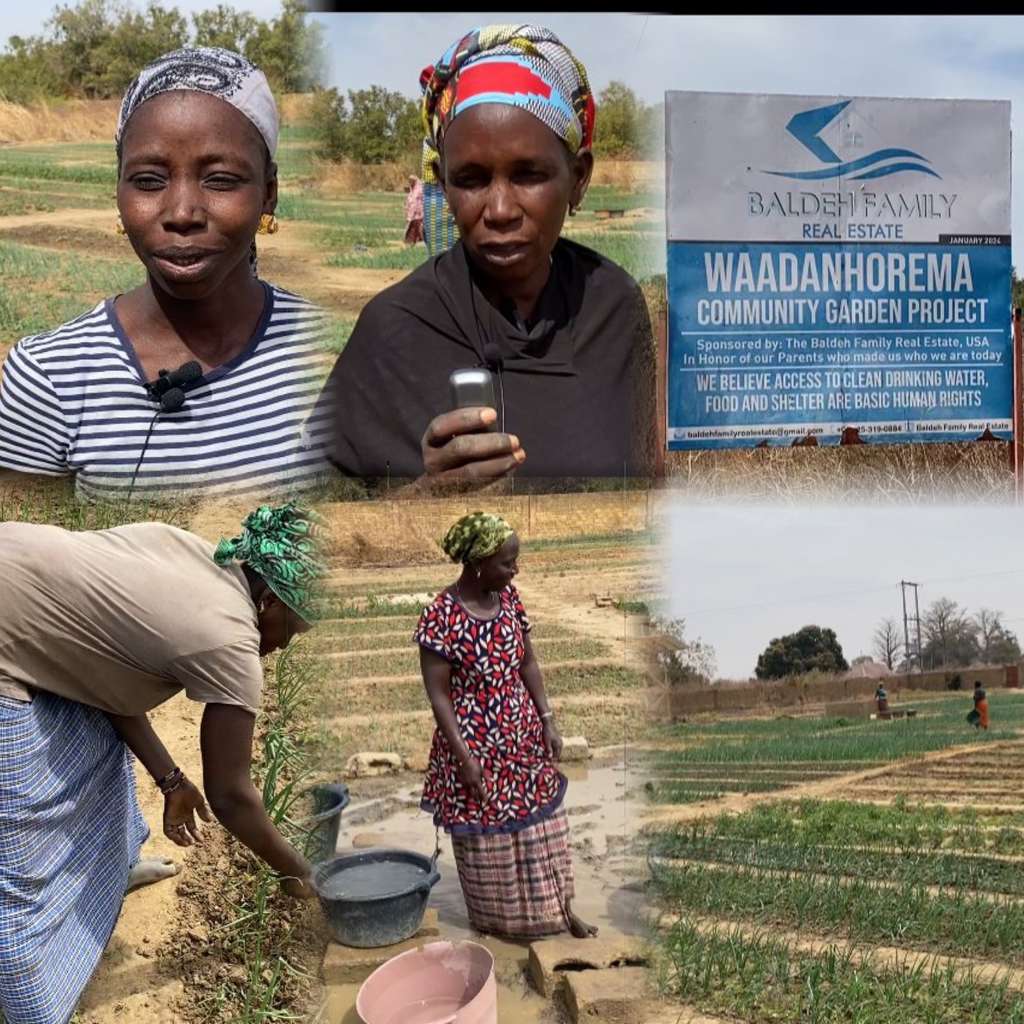
In the rural communities of Dabally and Juta Kunda, the WAADANHOREMA Community Garden in Jarra East District of the Lower River Region stands as a vital lifeline for dozens of women who rely on it for food security, income, and family support. Established in 2024 to honor the late parents of the Demba Baldeh family, the initiative has empowered local women to grow vegetables, pay school fees, and cover basic household needs. Yet, barely a year on, the project confronts serious obstacles that jeopardize its future.
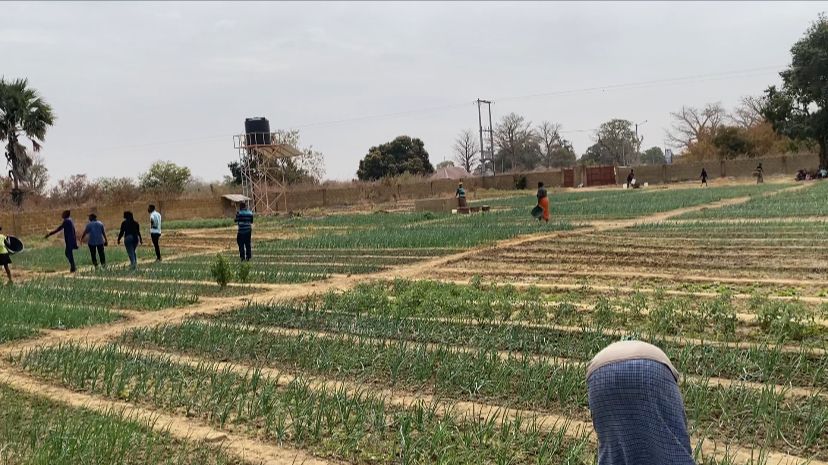
The primary threats stem from inadequate water supply and the absence of reliable market and storage facilities. Beneficiaries describe a daily struggle to keep crops alive. “We’re taking turns watering our crops, but it’s not ideal,” said Binta Baldeh, one of the women involved. “Sometimes, our crops rot and perish because we can’t sell them on time.”
Kumba Sowe, the Women’s Representative for the garden, highlighted water as the most pressing issue. “Water access remains the biggest challenge,” she explained. “An additional water tank would greatly ease our difficulties” and allow expansion of the garden to boost yields and support more families.
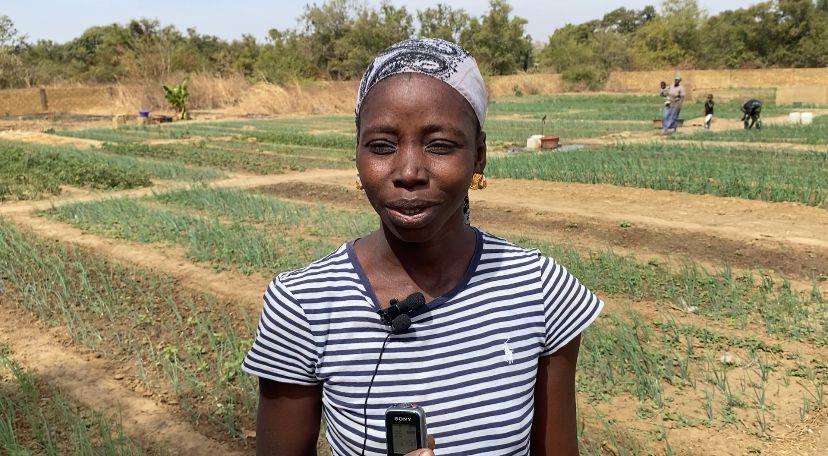
The garden is operated by a committee that includes civil servants and members of the Village Development Committee. While it has delivered tangible benefits—enabling women to meet immediate needs—its long-term viability hinges on resolving these constraints.
Demba Baldeh, the philanthropist based in Seattle, Washington, United States, who sponsored the project’s launch, stressed the importance of community ownership. “This project belongs to the community,” he said. “All we can do is provide the funding to establish it. We will come in to support once in a while, but we will not be the ones to sustain it.”
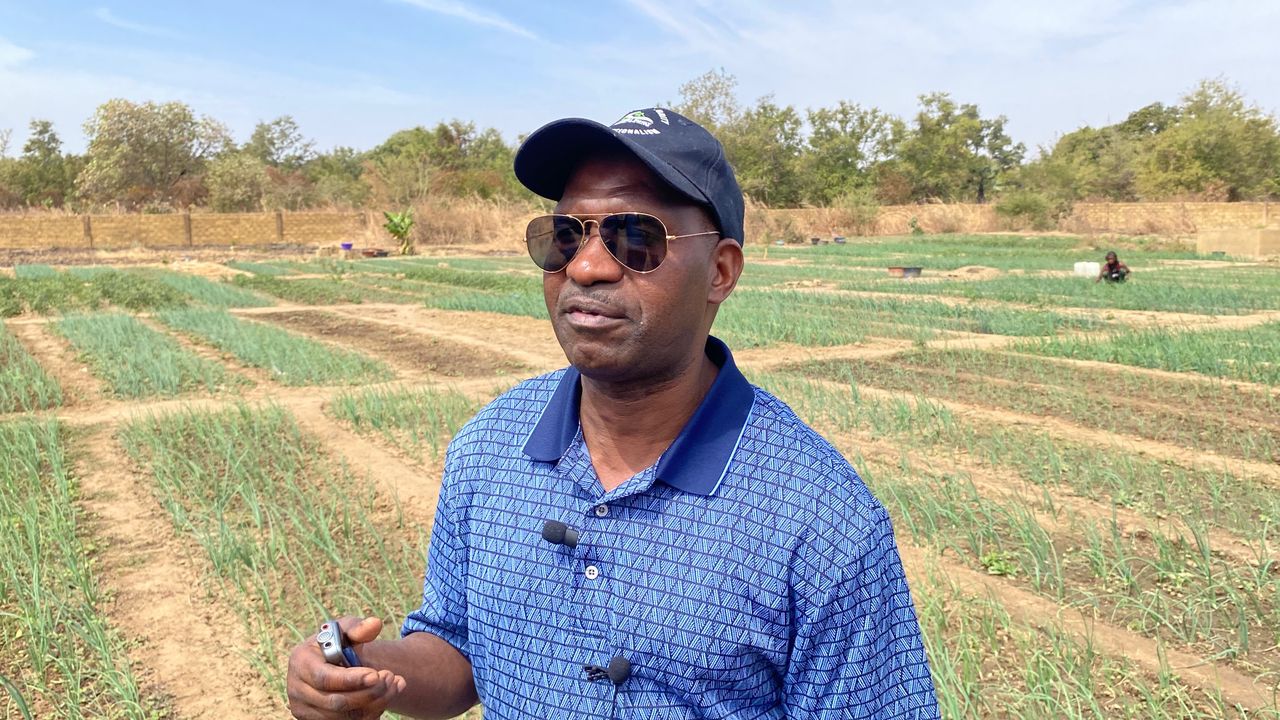
Baldeh, known for his efforts to give back to his homeland, framed his involvement as a call to action for others. “If our people are hungry, we are hungry,” he added, urging collective responsibility and investment in local development to inspire broader change.
Community gardens like WAADANHOREMA reflect broader patterns in rural Gambia, where women’s groups often depend on shared plots to achieve economic empowerment amid climate pressures and resource constraints. Similar initiatives nationwide have succeeded with better irrigation—often solar-powered—and market linkages, but many falter without sustained support.
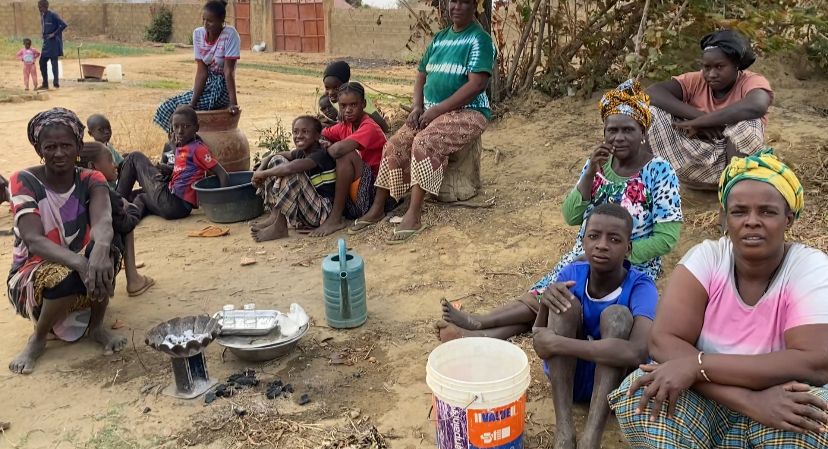
The women of Waadanhorema are now appealing to stakeholders, government bodies, NGOs, and philanthropists for help. They seek resources for an extra water tank, improved storage to prevent post-harvest losses, and better market access to transport and sell produce effectively.
Without intervention, the garden risks declining productivity, potentially reversing hard-won gains in women’s self-reliance. As Baldeh noted, true progress demands shared commitment—turning a beacon of hope into a lasting model of sustainable community development.