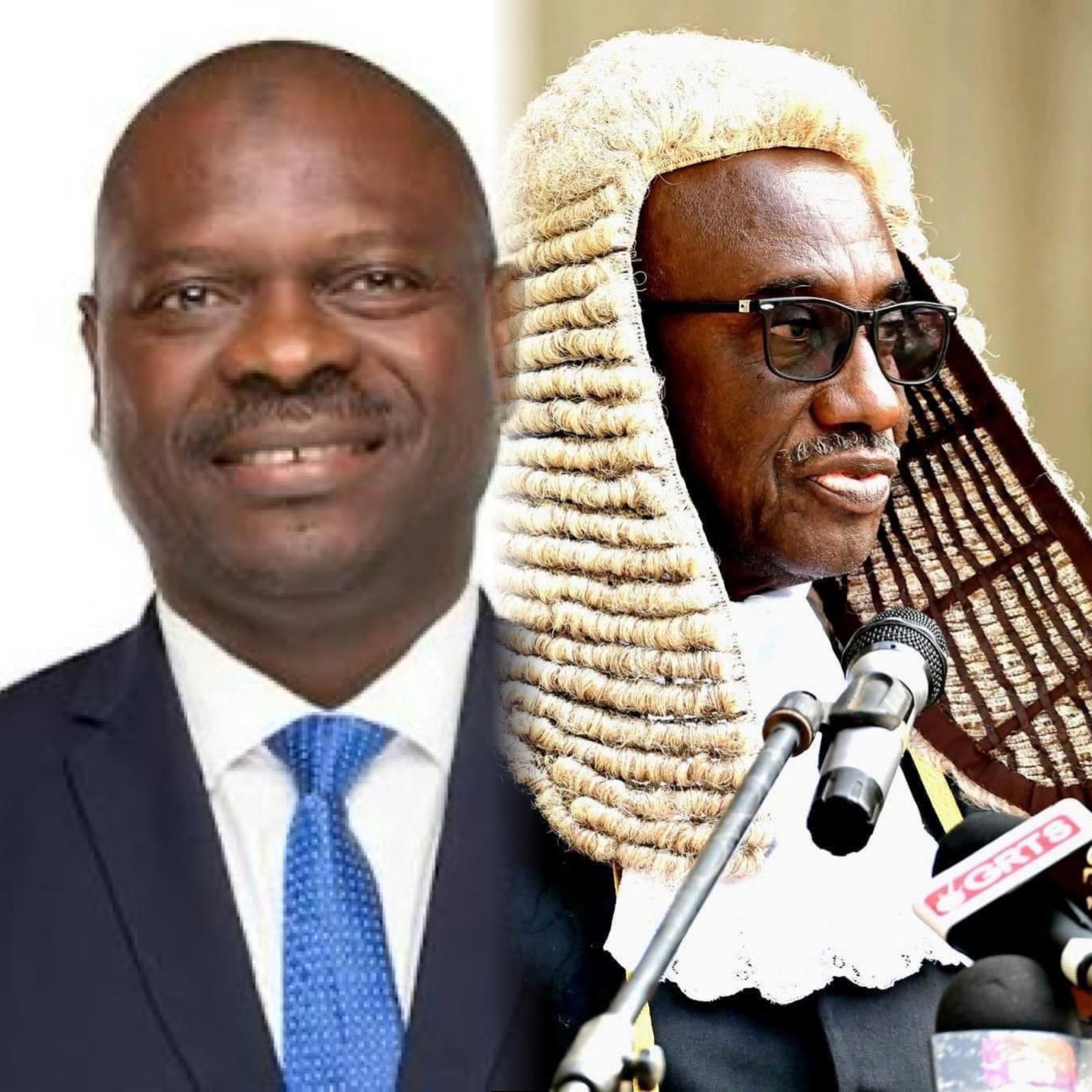
In a dramatic escalation following a major judicial setback, Finance Minister Seedy Keita reportedly stormed the office of the Judicial Secretary at the Supreme Court complex in Banjul shortly after the court’s December 18, 2025, ruling that he violated the 1997 Constitution by submitting the 2025 national budget estimates late.
The Supreme Court, in a judgment delivered by Justice E.F. M’Bai, declared that Minister Keita’s tabling of the 2025 Budget Estimates on November 15, 2024—well past the constitutional deadline—breached Section 152(1). This provision requires the Minister of Finance to lay before the National Assembly estimates of revenue and expenditure at least 60 days before the end of the financial year. The court rejected Keita’s defense that ongoing negotiations with the World Bank and International Monetary Fund (IMF) justified the delay, stating firmly that such consultations “do not provide a legal justification for not tabling the budget estimates on time.”
The case was initiated by prominent civil society activists Sait Matty Jaw, Madi Jobarteh, Coach-Pasamba Jow, and Baboucarr Nyang, represented pro bono by counsels Abdoulie Fatty and Salieu Taal. They sued the Clerk of the National Assembly, the Minister of Justice, and the Finance Minister, arguing the delay undermined constitutional accountability, transparency, and parliamentary oversight in fiscal matters.
Judicial sources with knowledge of the case, speaking to The Alkamba Times, revealed that a visibly angry Minister Keita, dissatisfied with the ruling, first visited the office of Attorney General and Minister of Justice Dawda Jallow to complain. The AG reportedly advised that nothing could be done, as the Supreme Court represents the final authority on constitutional interpretation. Frustrated, Keita then proceeded to the Supreme Court complex, where he forcefully banged on the door of the Judicial Secretary’s office, Abdou Conteh, demanding an explanation of the decision and verbally attacking staff over the outcome. Sources added that he even attempted to contact the judge directly who delivered the ruling.
The Supreme Court emphasized the Constitution’s supremacy under Section 4, dismissing efforts to shield executive actions from judicial review. However, it distinguished the executive’s breach from the legislature’s role, noting that under Section 152(1A), the National Assembly remained duty-bound to act on the estimates within 30 days of their presentation—even if presented late. The plaintiffs strategically abandoned requests to nullify the Appropriation Bill, passed on December 16, 2024, stating they had “no desire to shut down government processes but to hold government to account.” The court agreed this made invalidation unnecessary, preserving the 2025 budget’s legality while reinforcing constitutional discipline.
Legal experts and civil society groups, including the EFSCRJ, have hailed the ruling as a victory for the rule of law, sending a clear message that executive convenience or international pressures cannot override constitutional timelines. Calls have grown for appropriate accountability measures against the minister.
The incident has sparked widespread concern about respect for judicial independence in The Gambia, with observers warning that verbal attacks on court officials could undermine public confidence in institutions. Neither the Finance Ministry nor the Supreme Court has issued an official comment on the reported confrontation as of this report.
Efforts to speak with the Judicial Secretary proved futile, but sources confirmed the incident happened in December 2025 after the Supreme Court ruling.