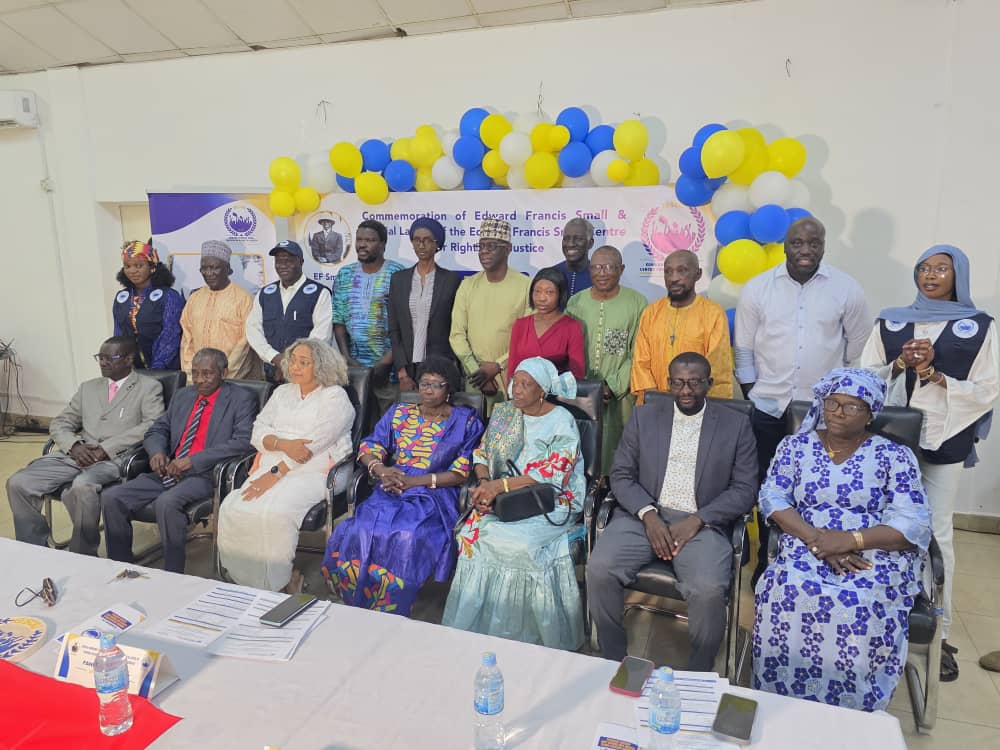
By: Ebrima Mbaye and Momodou S Gagigo
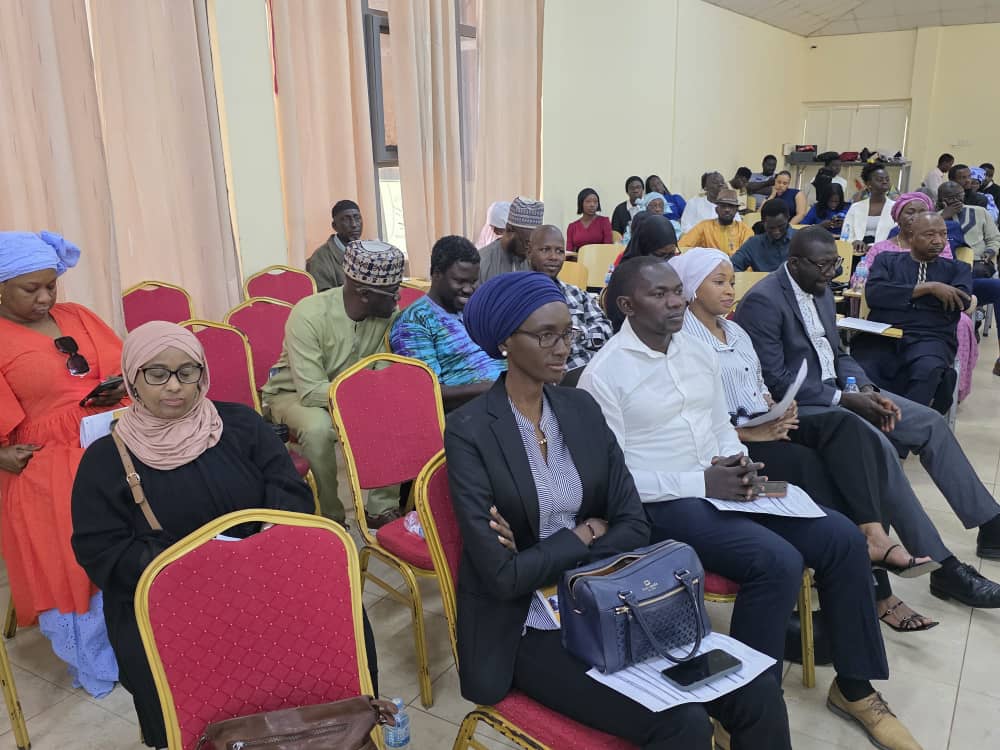
The Edward Francis Small Centre for Rights and Justice (EFSCRJ) was officially inaugurated on Thursday at the University of the Gambia Law Faculty Auditorium, marking a landmark moment in the country’s ongoing pursuit of human rights, accountable governance, and democratic ideals.
The ceremony, attended by students, civil society leaders, academics, writers, and members of the public, celebrated the life and legacy of Edward Francis Small (1891–1958), widely revered as the father of Gambian independence, a pioneer of trade unionism, journalism, political activism, and civic resistance.
Under the theme “Honouring the Legacy of Edward Francis Small: Advancing the Struggle for Human Rights, Justice, and Accountable Governance,” speakers reflected on Small’s foundational contributions to Gambian political consciousness and drew direct parallels to contemporary challenges.
Aji Fatou Bah, delivering the welcome address, described the occasion as a powerful affirmation of collective commitment to justice and citizen empowerment. “By coming together today, we are not only honouring the life of Edward Francis Small, but reaffirming our collective responsibility to uphold the values he stood for: freedom, dignity, accountability, and service to the public,” she said. She extended special thanks to the Small family and the Centre’s partners for making the institution a reality.
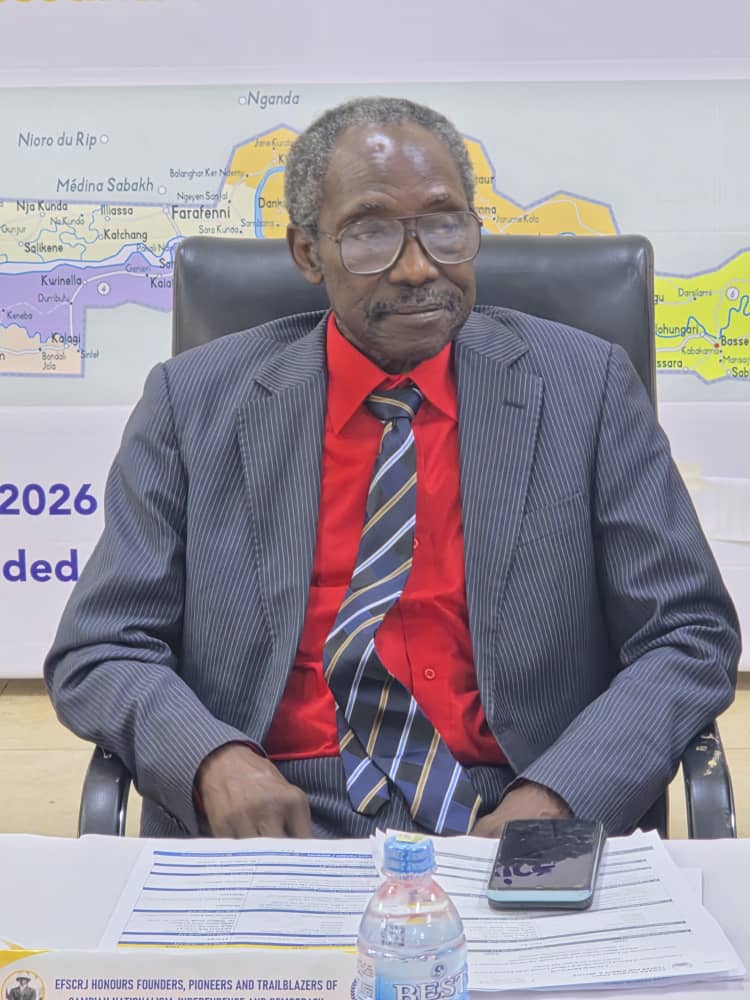
Madi Jobarteh, Founder and Executive Director of EFSCRJ, called the day “historic.” He positioned Edward Francis Small as a national hero whose sacrifices laid the groundwork for Gambian self-determination. Jobarteh praised Small’s multifaceted legacy—as founder of the Bathurst Trade Union (1929), the Rate Payers’ Association, and a nationalist newspaper, as well as his tireless advocacy for workers, farmers, and self-rule during colonial rule.

“Launching this Centre within a university setting sends a clear message: education must transcend degrees and certificates,” Jobarteh told the audience. “Students must learn the sacrifices, courage, and patriotism of those who built our freedoms. Edward Francis Small embodies intellectual courage, principled resistance, and selfless service—values that must guide every new generation of Gambians.”
Board member Philip Saine urged reflection on present-day governance failures. He questioned why, despite the struggles of past patriots, The Gambia still faces impunity, corruption, and institutional contradictions—such as claims of world-class healthcare while citizens travel abroad for treatment. Saine affirmed that EFSCRJ, inspired by Small’s example, would remain a vocal advocate for transparency, good governance, and sustainable development.
Representing the Small family, nephew William Small delivered an emotional tribute. “He was a true Gambian patriot,” he said of his uncle. “He lived his life fighting wrongs and championing rights. He lived, he fought, he won—and he died penniless.”
Yadicone Njie Eribu, Chairperson of TANGO, emphasized that the launch was not merely commemorative but forward-looking. “We honour EF Small, a son of The Gambia whose courage, intellect, and unwavering commitment to justice laid some of the earliest foundations for the freedoms we continue to pursue,” he declared.
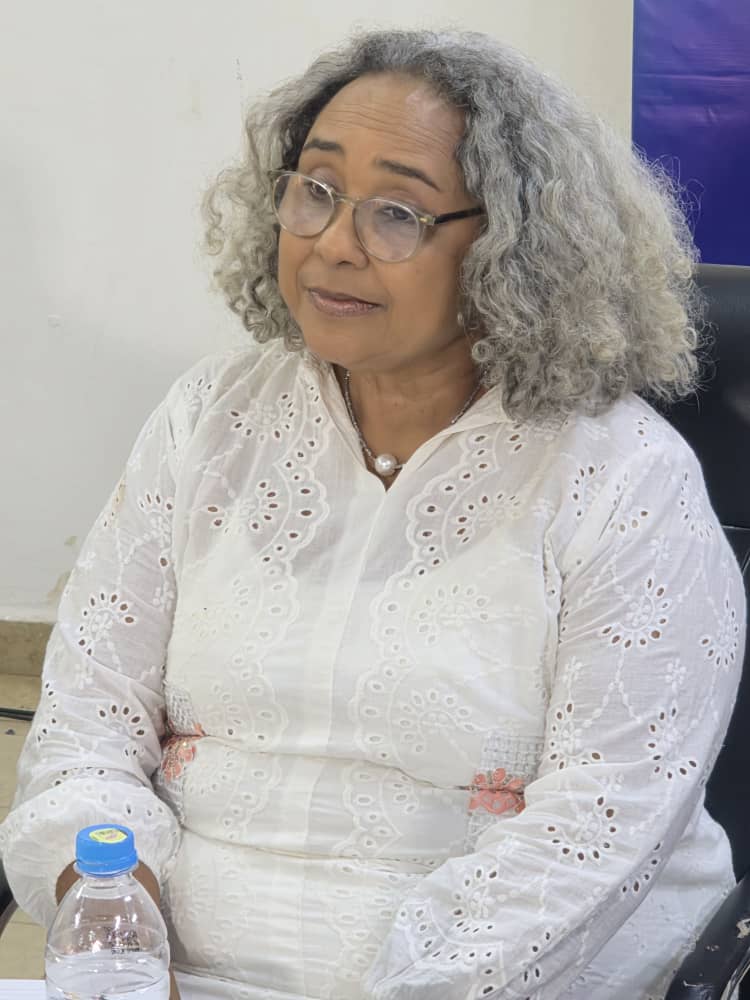
The ceremony featured a keynote commemorative lecture by Nana Grey-Johnson titled “EF Small: Pioneer of Civic Resistance and Democratic Consciousness in The Gambia,” which examined Small’s philosophy and its urgent relevance to today’s governance debates.
The establishment of the Edward Francis Small Centre for Rights and Justice signals a renewed generational pledge: the struggle for justice, accountability, and civic responsibility is far from over. As today’s speakers made clear, Small’s indomitable spirit must continue to inspire Gambians as they build a more equitable and democratic future.