By: Ebrima Mbaye
As the nation commemorates its 61st Independence Day on February 18, 2026, Gambians are reflecting on a journey that blends significant political advancement with persistent developmental obstacles. Sixty-one years after gaining sovereignty from British colonial rule in 1965, the country celebrates a hard-won transition to democracy while grappling with slow progress across key sectors, including governance, education, health, agriculture, and the broader economy.
The day is observed as a public holiday, featuring traditional parades, cultural displays, and patriotic gatherings across the country, including events in McCarthy Square in Banjul. Recent commemorations have included cultural diplomacy initiatives, such as a fashion show blending Gambian and Turkish heritage, underscoring international ties amid the festivities.
The 2016-2017 political transition, which ended the 22-year authoritarian rule of Yahya Jammeh and ushered in President Adama Barrow’s administration, remains a cornerstone of national pride. Many credit this shift for expanded civic space, greater freedom of expression, more competitive elections, and initiatives such as the Truth, Reconciliation and Reparations Commission (TRRC), which has advanced national healing and accountability for past abuses.
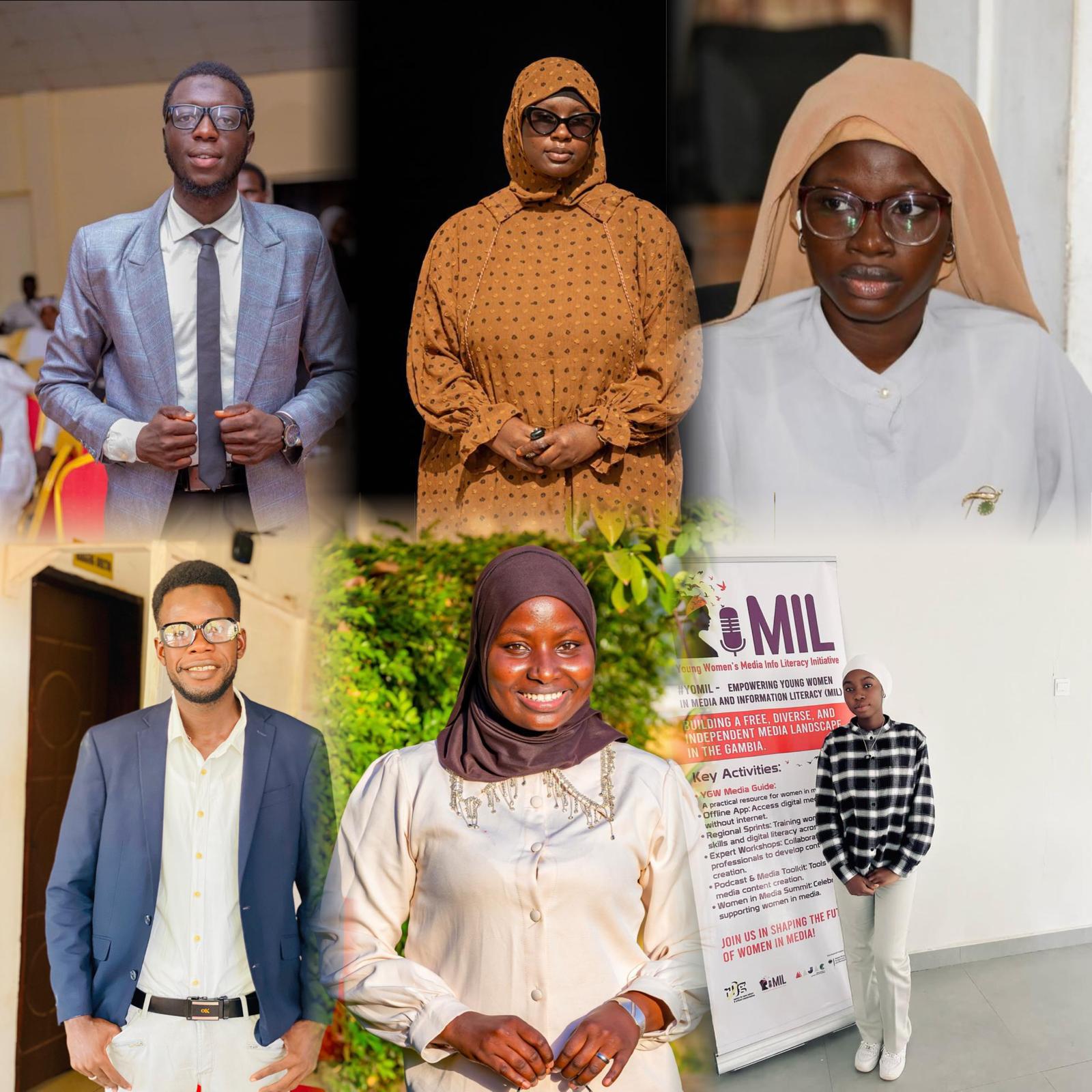
Yet, voices from the younger generation—particularly students—highlight a sense of unfinished business. In interviews with The Alkamba Times, students from the university and the Media Academy for Journalism and Communication (MAJaC) expressed a nuanced view: optimism about democratic restoration, paired with frustration over stalled reforms and limited socio-economic transformation.
Rainatou Jallow, an Advanced Diploma student at the Media Academy for Journalism and Communication (MAJaC), pointed to ongoing governance shortcomings. “Despite over six decades of independence, The Gambia is still grappling with fundamental issues,” she said, noting the absence of a new constitution years into the democratic era. Efforts to promulgate a modern constitution have repeatedly stalled, with a 2024 draft bill failing to advance in the National Assembly amid debates over term limits and political interests ahead of the 2026 elections. This leaves the 1997 constitution—drafted under the previous regime—in place, raising concerns about entrenched executive power.
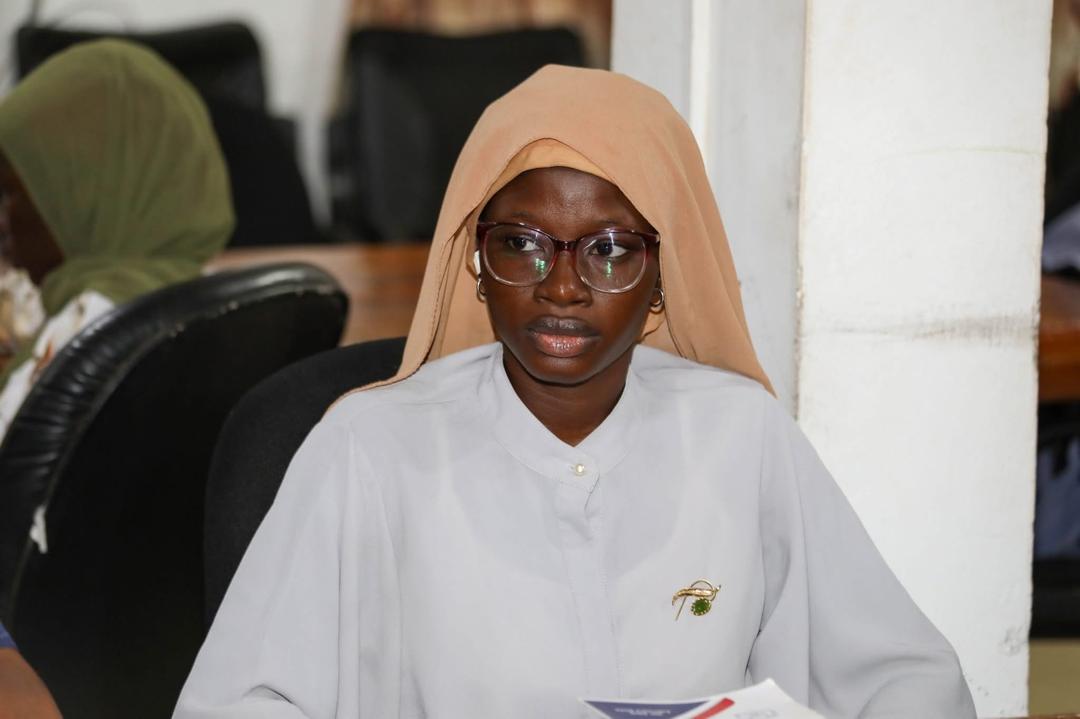
Jallow also critiqued underperformance in education and health, where investment remains inadequate. She argued that higher education emphasizes theory over practical skills, limiting graduates’ readiness for the workforce.
Gundo Susso, another MAJaC student, recognized infrastructural strides since 1965, including expanded schools, hospitals, roads, tourism growth, and institutions like the National Human Rights Commission. However, she emphasized that corruption and economic mismanagement continue to erode these gains, hindering broader development.
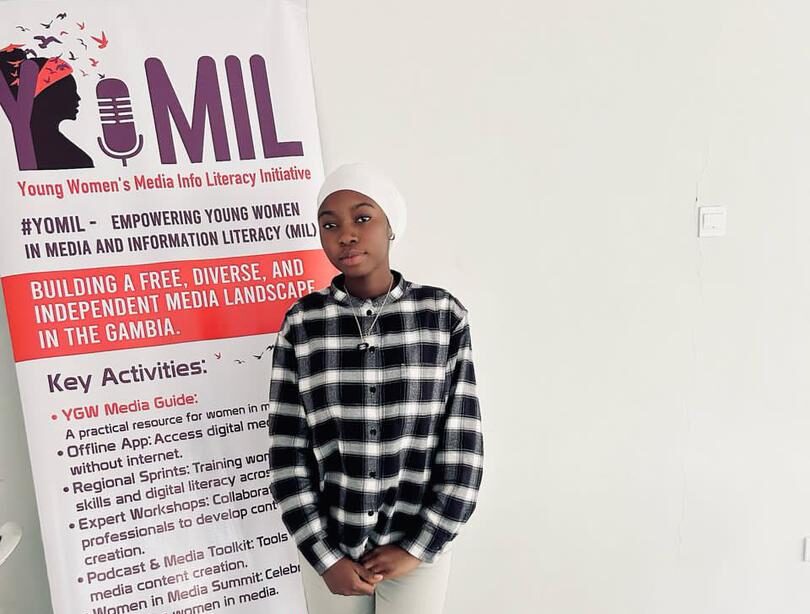
Aji Fatou Jallow, also from MAJaC, framed the current era as a pivot “from political liberation to the more difficult task of economic reconstruction.” She called for legal reforms, diversification beyond reliance on tourism and agriculture, job creation to curb irregular migration, and measures to address the high cost of living.
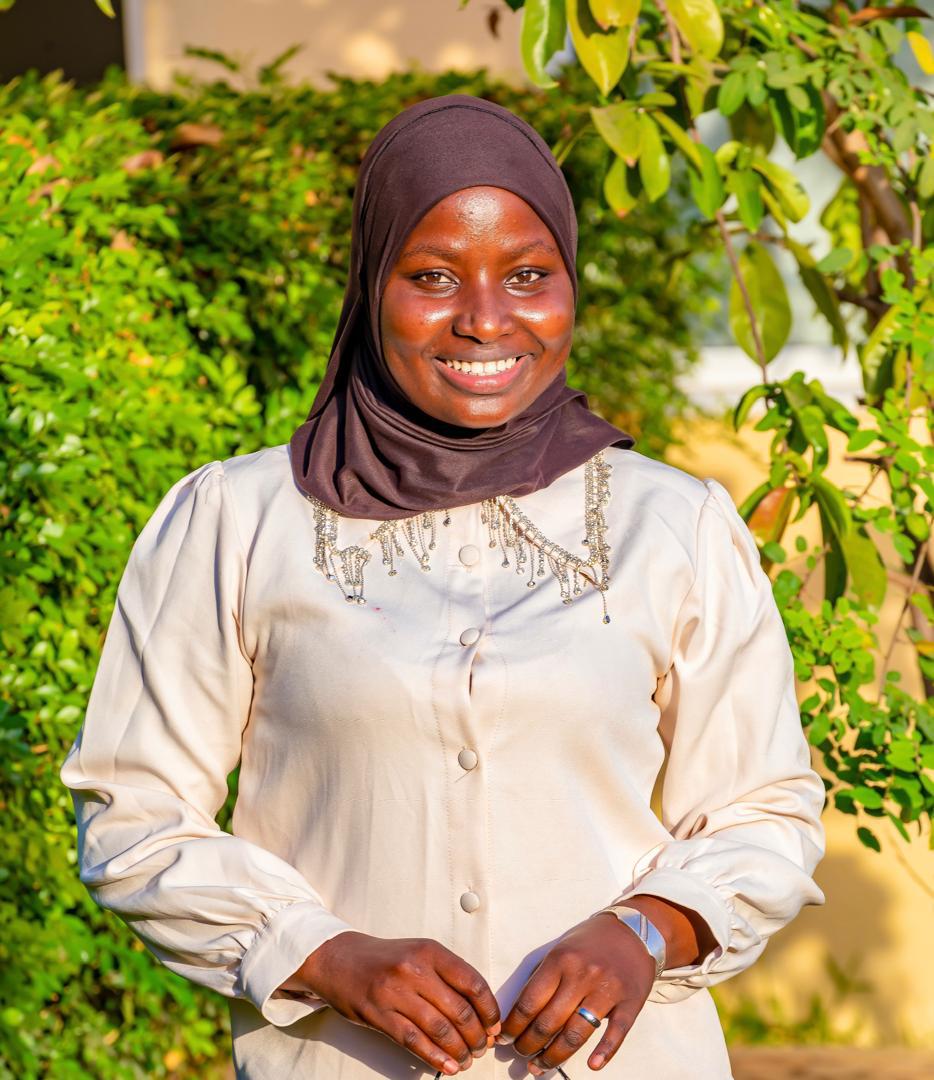
Saifulie Jallow, a first-year student at the University of The Gambia (UTG), urged against overlooking achievements while insisting on modernization in healthcare, education, agriculture, sports, and security. “If we are truly serious about moving forward as a nation, these sectors must be strengthened,” he said.
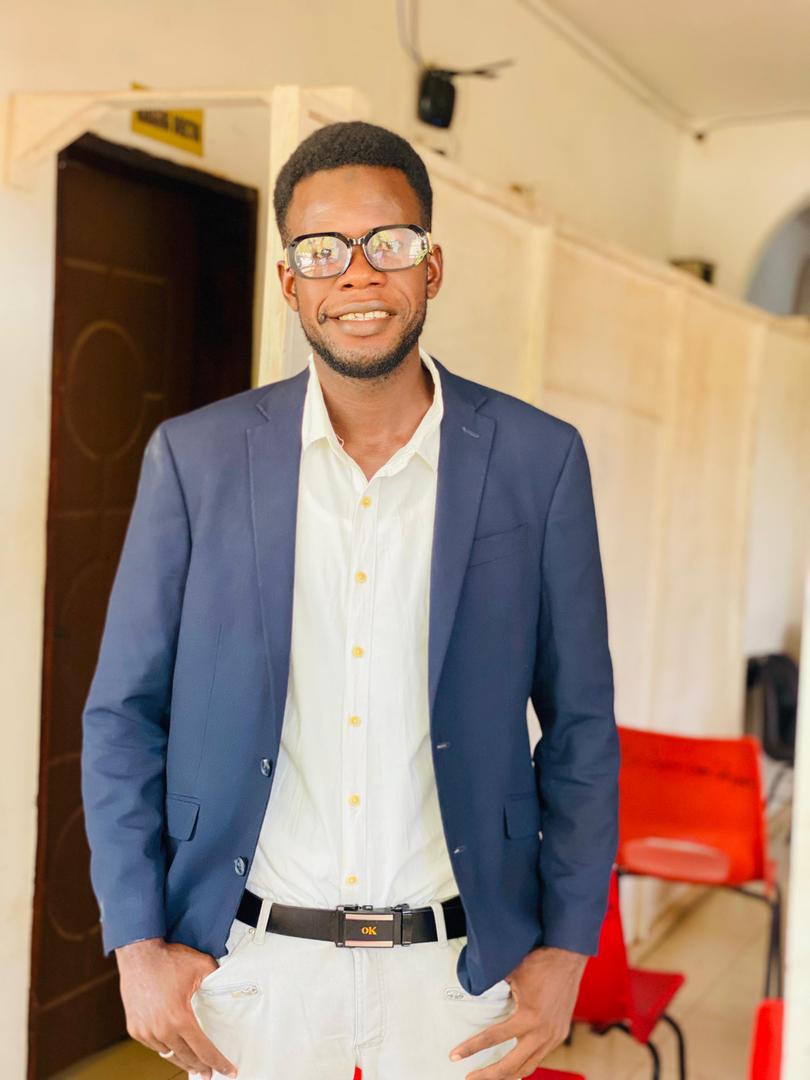
Fatoumata Fatty, a second-year English major at UTG, described the period after 2017 as a “standstill in transition.” She praised improved governance and freedoms but warned of political polarization, corruption risks, youth unemployment, poverty, rising living costs, and climate vulnerability.
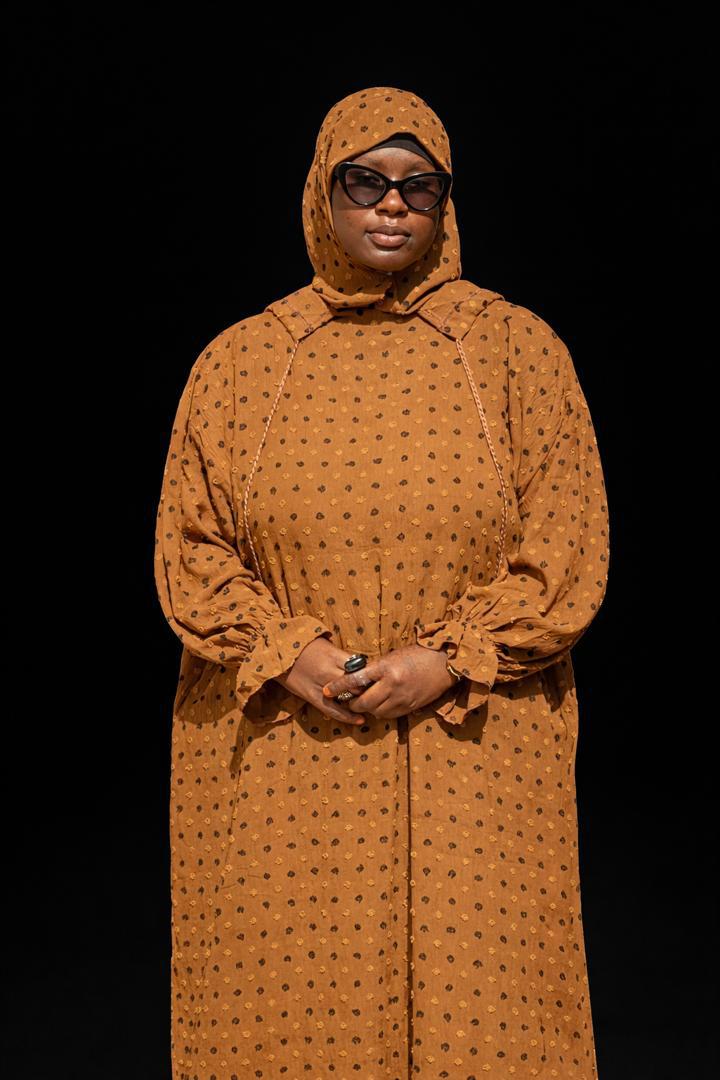
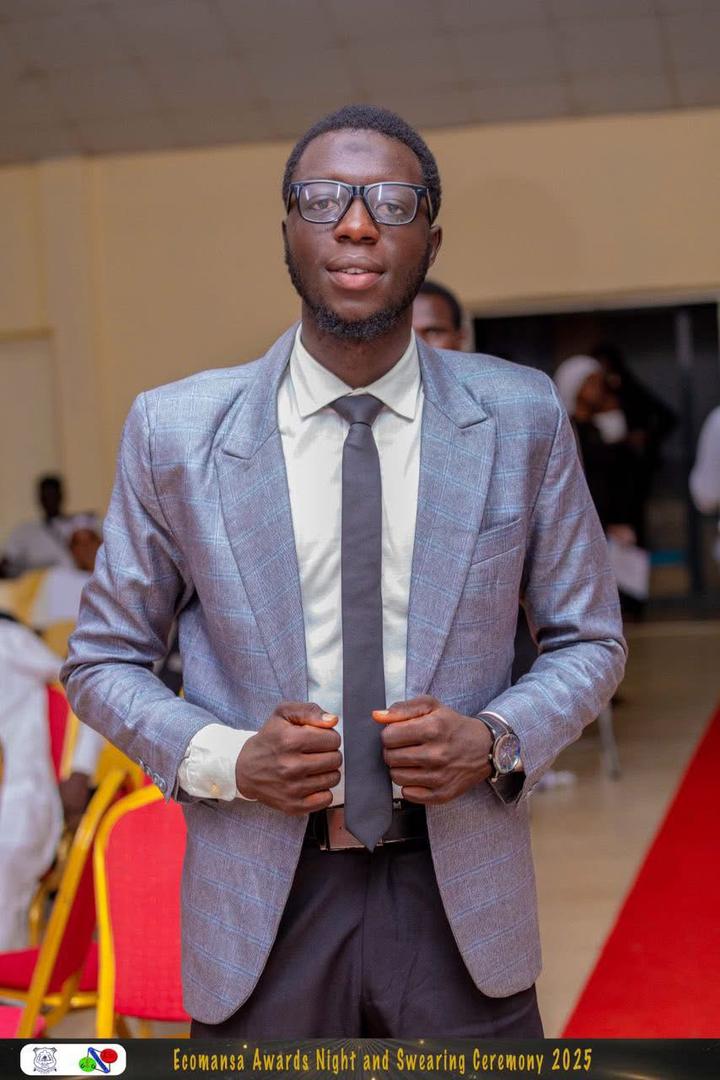
Abdoul Jawo, a final-year Accountancy student at UTG, acknowledged steady progress in openness, civic participation, and institutional accountability. Still, he highlighted persistent challenges like weak institutions, unemployment, and the need for sustained investment to deliver prosperity for all.
As parades and celebrations unfold, these young voices capture a broader national sentiment: pride in surviving dictatorship and restoring democracy, tempered by impatience for tangible, inclusive development. With elections looming in 2026 and global pressures adding complexity, The Gambia’s 61st anniversary serves as both a milestone and a call to action—to convert political freedoms into equitable growth that benefits every citizen.