By: Alieu Ceesay
Rural youth across the country are using the occasion to renew urgent calls for greater government investment in vocational training, employment creation, and rural development. While national festivities include parades, speeches, and cultural events, many young people in remote communities say symbolic celebrations fall short without tangible improvements to their livelihoods.
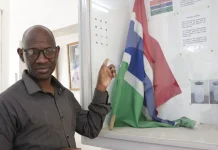
The Gambia achieved independence from Britain on February 18, 1965, when the Union Jack was lowered at midnight in Banjul, and the Gambian flag was raised, ushering in self-rule under the late President Sir Dawda Kairaba Jawara. Over six decades later, under President Adama Barrow’s administration, the nation has seen infrastructure growth, including roads and education reforms. Yet, rural youth—who form a significant portion of the country’s predominantly young population—continue to face persistent challenges.
Young Gambians aged 15-35 make up a substantial share of the population, with recent estimates indicating that those under 25 constitute over 40% in some demographic breakdowns, and youth (broadly 15-30) around 37%. This demographic bulge presents both opportunity and pressure, as high unemployment, underemployment, and limited access to skills training drive frustration and rural-urban migration.
In interviews conducted ahead of the anniversary, rural youth expressed a common plea: shift from ceremonial independence observances to practical empowerment. Ousman Darboe, from the village of Block, described the shared struggles of rural young people. “The problems are almost the same everywhere,” he said. “We are industrious and determined to build our futures, but we lack adequate opportunities and an enabling environment.”
Darboe urged the government to move beyond parades and speeches. “Independence celebrations should reflect real improvements through education, job creation, and youth empowerment,” he emphasized. He highlighted agriculture as a key sector, noting that rural areas remain heavily agricultural. “Youth are the backbone of any developing country in agriculture. If the government provides farming tools for easier cultivation and creates better markets, young people are ready to work and thrive in their home communities.”
While crediting the Barrow administration for an “infrastructure boom,” Darboe stressed that development must be people-centered. “Infrastructure is good, but it should directly benefit the lives and livelihoods of ordinary citizens.”
Similar views came from Alieu Jammeh, a youth advocate from Foni Bullock in the Foni Brefet District. Jammeh acknowledged government efforts, including road construction, youth projects, and expanded access to education and training. “Some agriculture and skills programs have created opportunities, and the government has maintained peace, promoted freedom of expression, and included youth,” he said. However, he insisted that more must reach grassroots levels. “We are ready to work and contribute to economic growth. We need the right support system.”
Jammeh pointed to limited facilities in his area: only two skills training centers—one in Ndemban and another in Kanilai—and just two senior secondary schools in Foni Berefet. “This scarcity fuels rural-urban drift, putting agricultural practices at risk,” he noted. He called for greater investment in rural youth, describing them as “not the problem but a critical national resource.” “With real action and accountability, independence will truly improve lives. If the youth succeed, the nation succeeds.”
Abdoulie Sanneh, another rural voice, highlighted the urban bias in opportunities. “Most jobs and programs concentrate in urban areas like the Kombos, leaving rural youth struggling to compete or forced to relocate,” he said. He advocated for involving young people in planning community agriculture, vocational training, and local enterprises to reduce household poverty and stem migration.
Ebrima Jallow from Foni echoed calls for agricultural support. “With enough backing from authorities, youth can boost the sector and cut food imports through year-round farming,” he stated. He also pushed for decentralized development and more infrastructure in Foni to ease urban overcrowding and congestion.
These sentiments align with ongoing national discussions, including recent national dialogues focused on youth, digitalization, and prosperity. Existing initiatives, such as the Youth Empowerment Project (YEP), offer vocational training, microgrants, and self-employment support in sectors such as agriculture and creative industries, but rural advocates say coverage remains insufficient in remote regions.
As parades unfold in Banjul and communities host local events, the voices from rural Gambia underscore a key message: true nation-building requires empowering the youth who represent the future. With the country’s young population poised to drive growth if equipped properly, the 61st anniversary serves as both a celebration of progress and a reminder of unfinished work in bridging urban-rural divides.