By: Alieu Ceesay
In a major step toward modernizing public services and enhancing financial transparency, the Gambian government has announced the digitization of payments for national identity cards and residential permits, effective from February 16, 2026. The initiative aims to eliminate cash transactions at key processing centers, reduce lengthy queues, and strengthen accountability in public finance management.
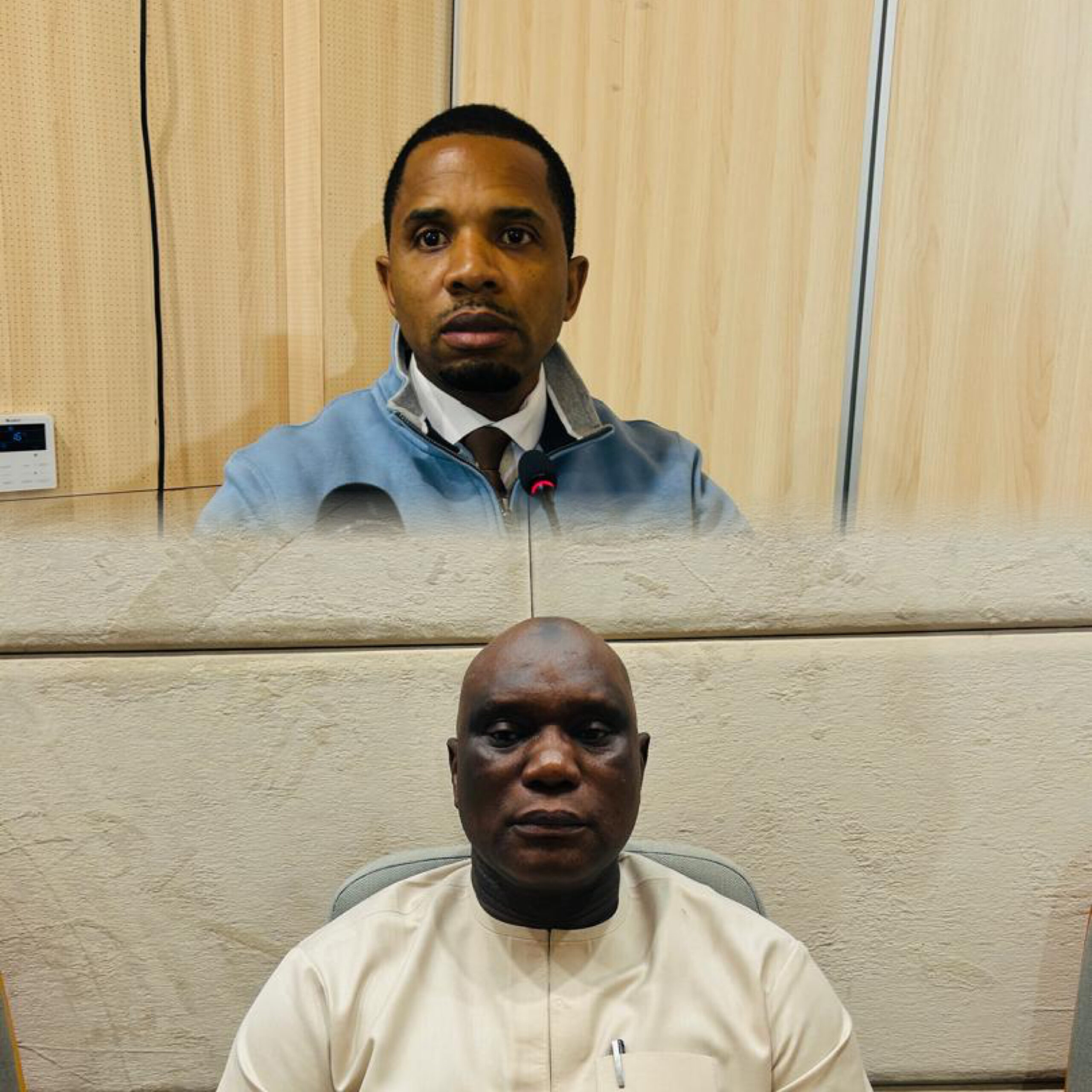
The reforms were unveiled during a high-profile press conference on Tuesday at the Sir Dawda Kairaba Jawara Conference Centre in Banjul. Foreign Affairs Minister Sering Modou Njie, who addressed the gathering, explained that applicants at the Kanifing and Banjul identity card and immigration centers will no longer be permitted to pay in cash. Instead, payments must be made through designated commercial banks, and applicants must present the original bank receipt for processing.
“This is part of our broader reforms for public finance management,” Minister Njie stated. “By shifting to digital payments, we aim to cut down on long waiting times, minimize cash-handling risks, and promote greater transparency and efficiency in government services.”
The announcement aligns with ongoing efforts to upgrade the national identity system. Earlier this year, the government partnered with Margins ID Group to modernize infrastructure, produce secure, ICAO-compliant e-identity cards, and integrate digital verification services—moves intended to streamline access to public and private services for citizens and residents.
The press conference, organized by the Ministry of Information and Communication, also served as a platform to highlight achievements under President Adama Barrow’s administration. Information Minister Dr. Ismaila Ceesay emphasized significant progress in infrastructure and development, particularly in the energy sector.
“The government has registered substantial milestones, including roads and other areas,” Dr. Ceesay said. He pointed to the remarkable expansion of electricity access, noting that the country has achieved approximately 90% electrification. “Communities that had not had electricity for years are now connected. This is a great milestone. The president promised 90% electricity access by the end of 2025, and he has delivered on that commitment.” Recent inaugurations have brought power to hundreds of rural communities, positioning The Gambia to reach universal access by 2026—well ahead of the global 2030 target.
Addressing international concerns, Minister Faye refuted media reports claiming that 20 Gambians had been killed while serving as front-line soldiers in the Russia-Ukraine war. “Our mission in Russia has confirmed that nine Gambians have died,” he said. “We are working with Russian authorities to repatriate the bodies to The Gambia.”
On another matter, the Minister clarified the status of a Cameroonian opposition figure hosted in The Gambia following his country’s presidential election. “His presence was facilitated by Nigeria, and Gambia hosted him purely on humanitarian grounds to support regional peace and unity,” the Foreign Minister explained. “He was given strict conditions not to launch attacks on Cameroon or cause instability.”
Journalists also raised rumors about potential government controls on online media. Dr. Ceesay firmly denied any such plans, adding that discussions are underway with the Gambia Press Union and the Media Council to subsidize media houses and support the sector.
The reforms and updates reflect the Barrow administration’s focus on digital governance, infrastructure delivery, and regional solidarity as The Gambia advances its development agenda.