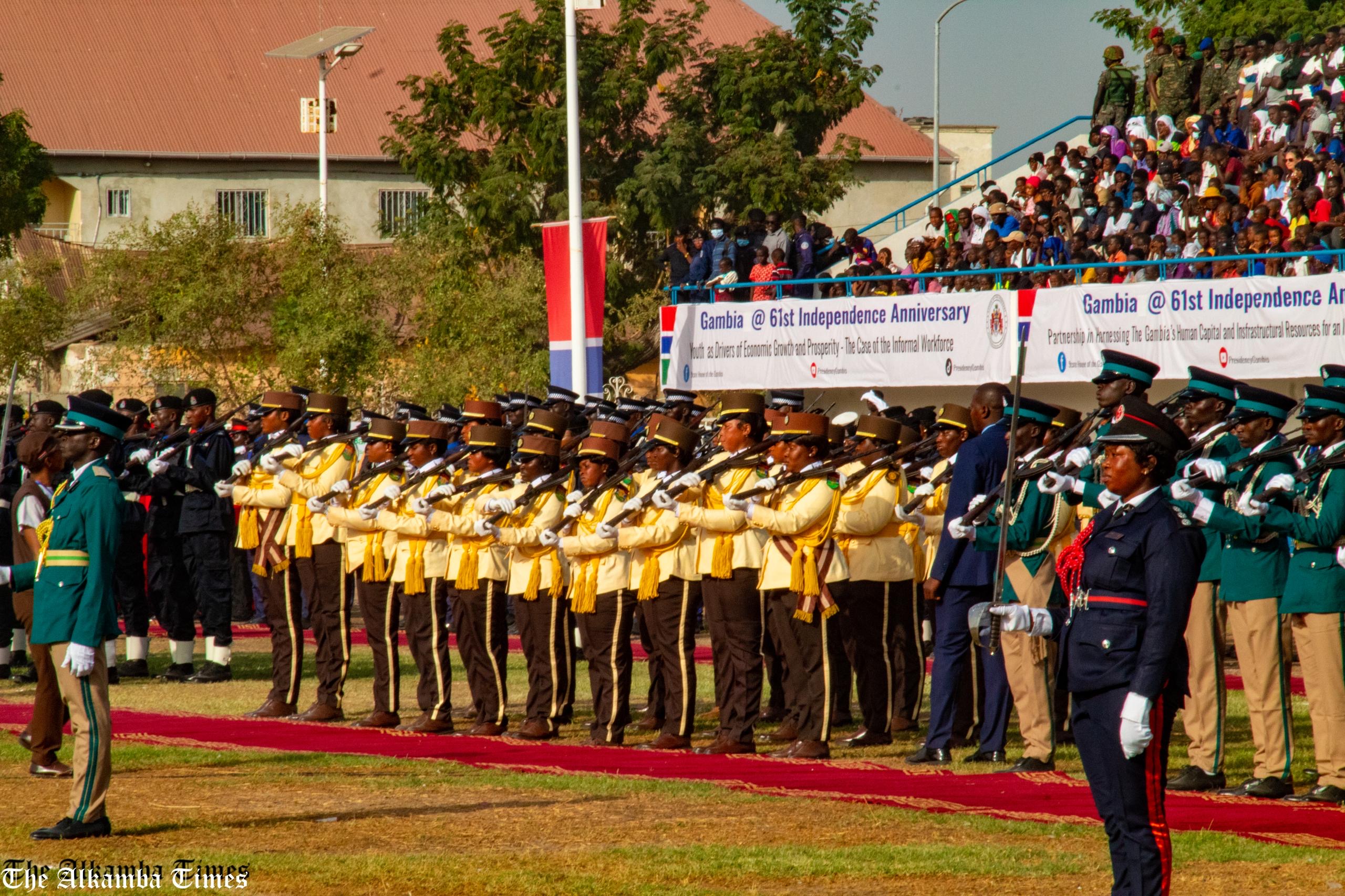
As the sun rises over the Gambia River on this February 18, 2026—marking 61 years since our nation shook off the formal chains of British colonial rule—fireworks may light the sky, parades may fill the streets of Banjul, and speeches will undoubtedly echo with triumphant rhetoric. Yet, amid the celebrations, a sobering question lingers: How independent are we, truly? In an era where global interdependence masquerades as progress, Gambia stands as a poignant case study in the illusion of sovereignty. This editorial dares to peel back the layers of national pride to reveal the persistent shadows of dependency, urging us to confront uncomfortable truths rather than bask in hollow festivities.
Let us begin with the economy, the lifeblood of any sovereign state. Sixty-one years post-independence, Gambia’s GDP per capita hovers around $800, and it relies on agriculture, tourism, and remittances from the diaspora. But who pulls the strings? Foreign aid from the European Union, the World Bank, and China constitutes a significant portion of our budget—over 20% in recent years. Are we independent when international donors dictate fiscal policies through conditional loans? The IMF’s structural adjustment programs, once hailed as pathways to growth, have often deepened inequality, forcing austerity measures that prioritize debt repayment over social welfare. Why, after six decades, do we still export raw groundnuts and import processed peanut butter? This neocolonial trade pattern echoes the extractive economies of the colonial era, where Britain’s interests superseded our own. As climate change ravages our farmlands—exacerbated by global emitters far beyond our borders—do we possess the autonomy to adapt without begging for “green funds” from former colonizers?
Politically, the narrative is equally fraught. Since independence in 1965, Gambia has navigated a turbulent path: from Sir Dawda Jawara’s democratic rule to Yahya Jammeh’s 22-year authoritarian grip, and now President Adama Barrow’s administration, which has promised reforms but grapples with allegations of corruption and electoral irregularities. Yet, external influences loom large. The Economic Community of West African States (ECOWAS) intervened decisively in 2017 to oust Jammeh, a move celebrated for restoring democracy but one that raises questions about our self-determination. Was that liberation or a regional proxy war? Today, as Barrow seeks closer ties with Senegal amid talks of regional unity, we must ask: How independent are we when borders drawn by colonial powers still define our alliances and disputes? The lingering presence of British legal frameworks in our judiciary and the sway of international NGOs in human rights advocacy further blur the lines. Are we crafting our destiny, or merely performing it under the watchful eyes of global watchdogs?
Culturally and socially, the chains are subtler but no less binding. English remains the official language, a vestige of the empire that marginalizes indigenous tongues like Mandinka, Wolof, and Fula in education and governance. Our youth, the supposed architects of tomorrow, flock to Europe via perilous backway migrations, driven by unemployment rates exceeding 30%. Is this independence when our brightest minds fuel foreign economies while our own stagnates? The influx of Western media and consumer culture—via satellite TV and social media—shapes aspirations, often at the expense of local identity. Meanwhile, health and education sectors depend heavily on foreign expertise and funding; the COVID-19 pandemic exposed our vulnerability, with vaccine access dictated by global inequities. As we face rising sea levels threatening coastal communities, do we have the sovereign tools to protect our people, or must we rely on Paris Agreement pledges that favor the polluters?
These questions are not born of cynicism but of a deep love for Gambia—a call to awaken from complacency. True independence demands more than flags and anthems; it requires economic self-sufficiency, political resilience, and cultural reclamation. Imagine a Gambia where we invest in agro-processing industries, harness solar energy independently, and reform education to celebrate our heritage. Leaders must prioritize anti-corruption measures, youth empowerment, and regional cooperation on our terms, not those imposed from afar.
On this 61st anniversary, let us honor the sacrifices of our forebears not with blind optimism but with bold introspection. For if we fail to question our chains, we risk celebrating a freedom that exists only on paper. Gambia deserves better—a sovereignty forged in action, not illusion.